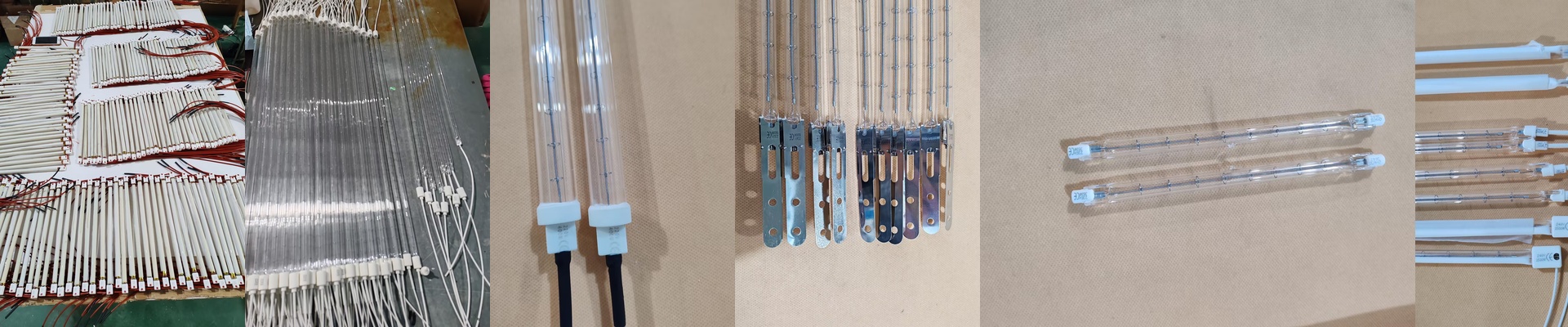
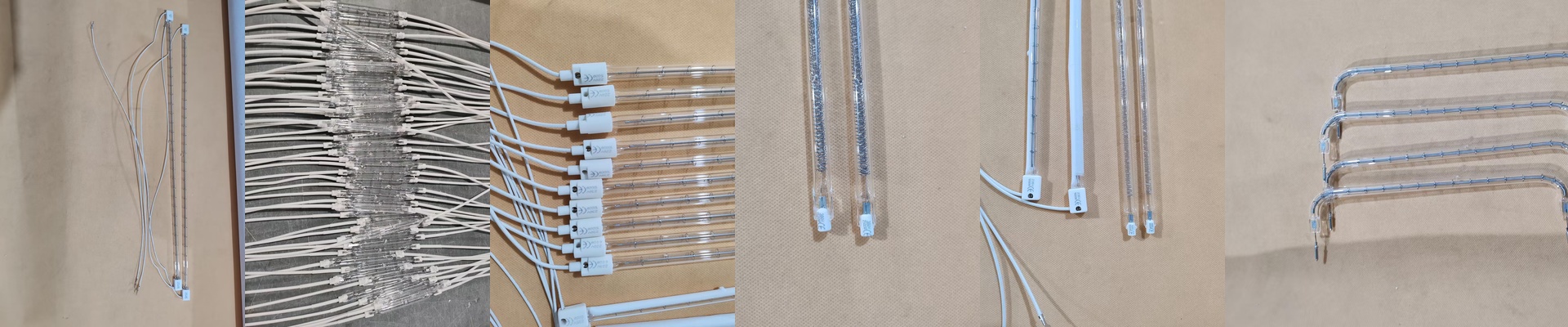
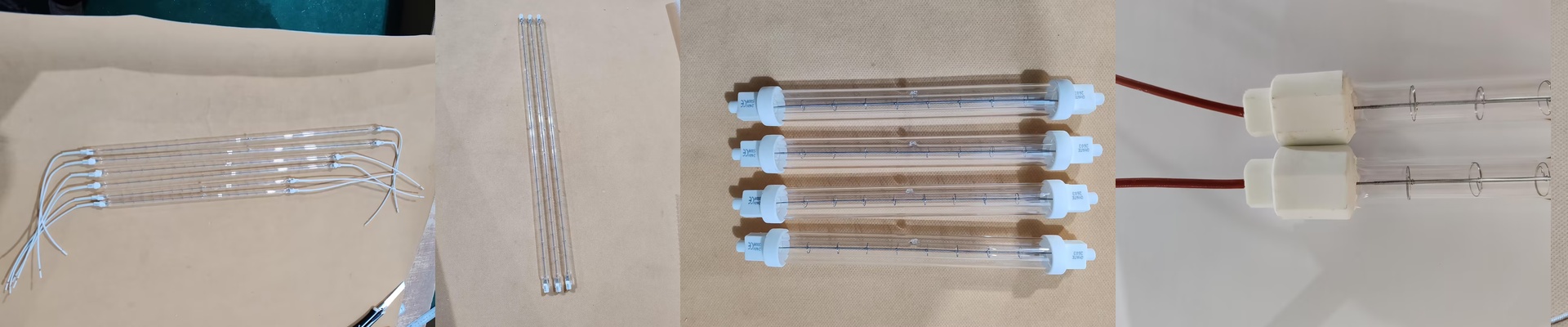

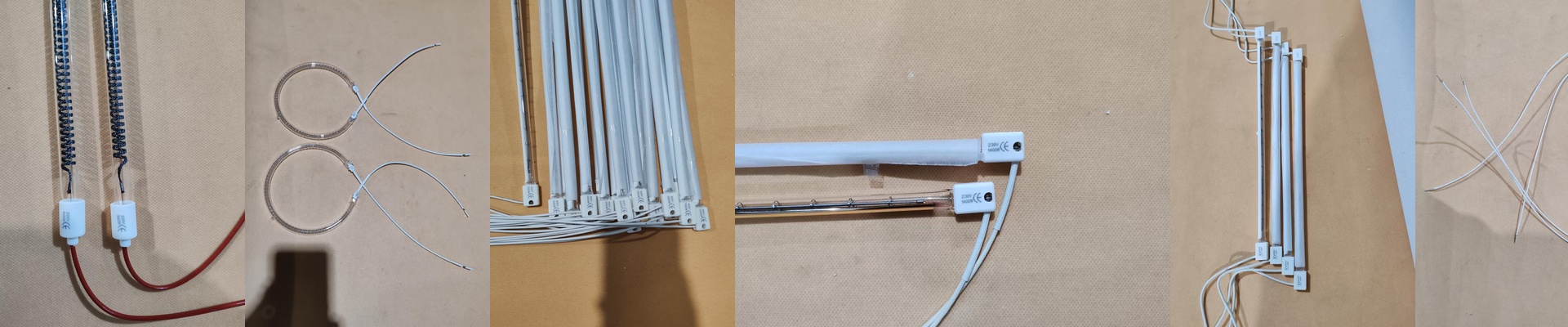
We built this 1500-watt halogen lamp for engineers who need heat they can count on—predictable, intense, and packed into a small footprint. This isn’t gentle background warmth. It’s direct infrared, aimed and ready for the kind of thermal control you need right on the factory floor.
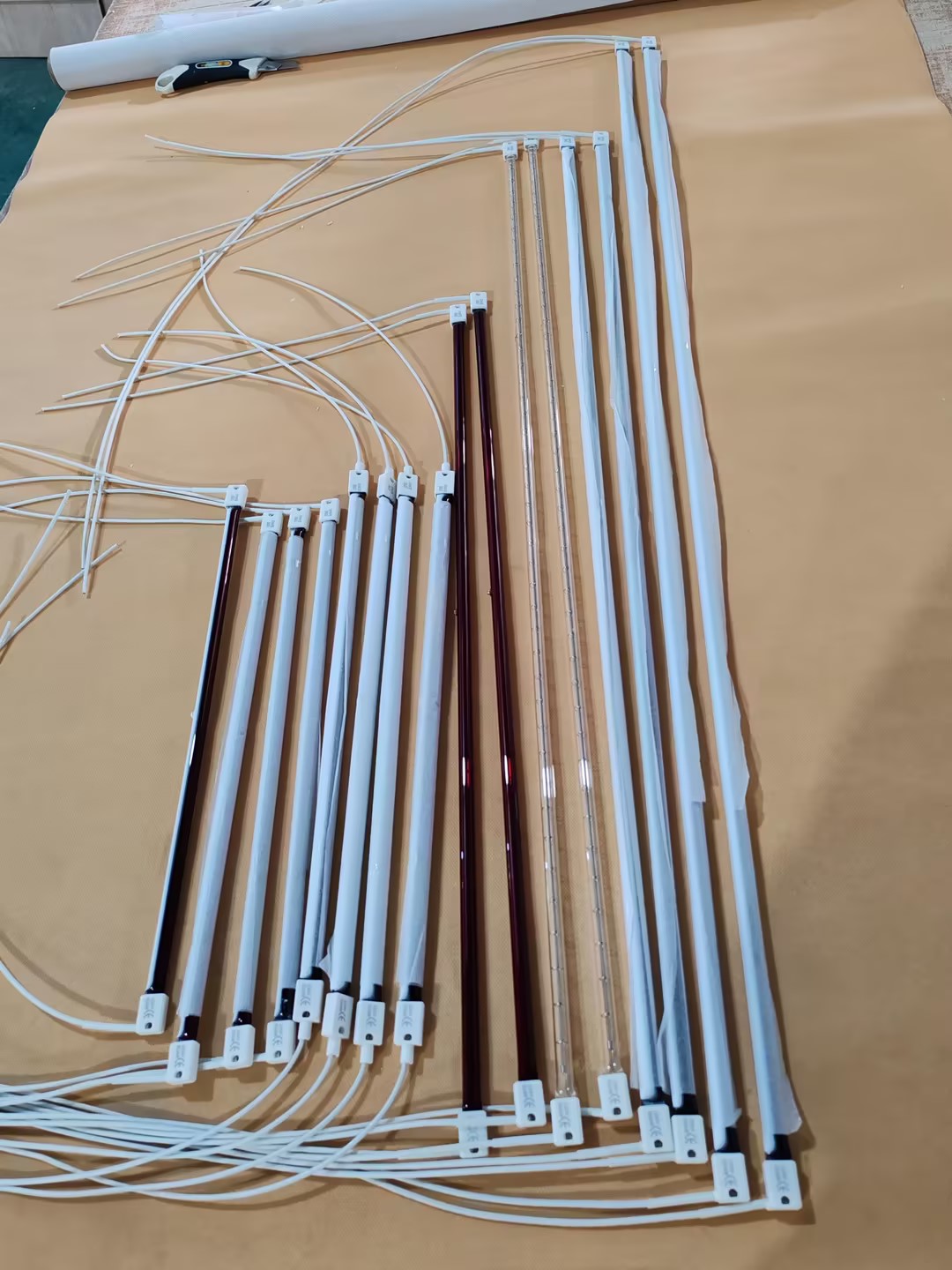
The spec is clean and simple: 1500 watts, delivered through a halogen-filled quartz envelope. The payoff? Fast response. Stable output. Even when the machine cycle calls for quick heat-ups and fast cool-downs, it keeps its composure.
Power, voltage, and geometry—here’s what matters
That 1500W rating is the heat load you can plan around. Match it to your process, and the lamp becomes a dependable heating element you can trust day after day. Halogen lamps crave current, so voltage isn’t a “pick whatever” choice. Match the voltage to your control gear, or the lamp will underperform and won’t last as long. And size matters, because it shapes the heat zone. A shorter arc concentrates the wattage into a smaller area, giving you high heat density without forcing you to enlarge the whole machine.
Built to stay consistent under pressure
Inside, the halogen cycle does the quiet work of keeping the quartz envelope clean. Evaporated tungsten gets returned to the filament, which keeps both light and heat steady over time. That means your process conditions stay consistent, shift after shift. The quartz body handles high heat without flinching, and it stands up to the shock of rapid cycling. We chose the R7s base because it’s proven and tough for linear lamps. It gives you solid contact, straightforward wiring, and a fit that stays mechanically secure in standard holders. In rough environments, that reliability means fewer maintenance headaches and less unplanned downtime.
Where it shines: targeted heat, on demand
These 1500W halogen units are made for spot heating and localized drying—jobs where you need heat, right now. They wake up fast, so you don’t have to wait around for warm-up. Because the output is concentrated, shielding and control get simpler. You can focus the heat exactly where the process needs it. One practical note: with that much power density, you’ll want to manage reflected heat and component temperature. Plan your mounting distance, airflow, and guarding so the surrounding parts don’t take a beating. Do that, and you get the intensity you need without the collateral stress.