Switching Your Infrared Suppliers in Automotive Molding
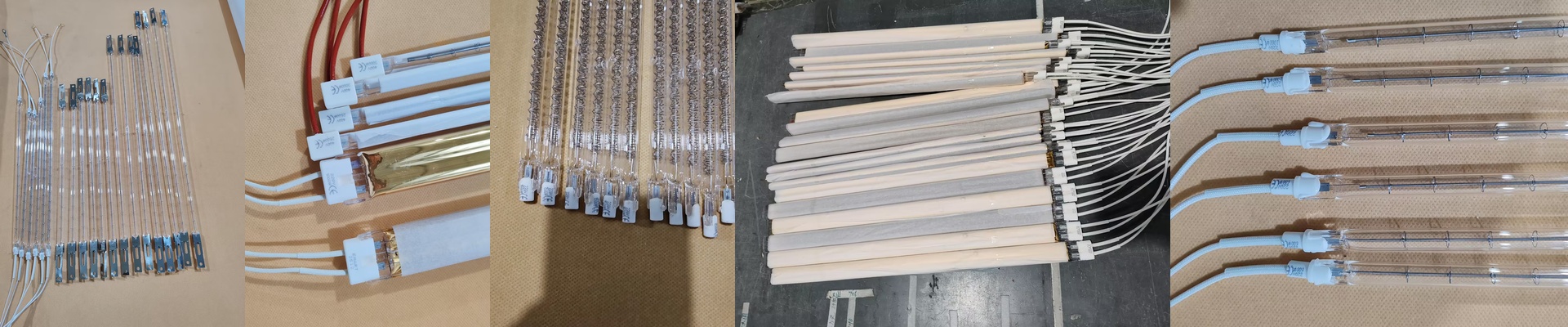
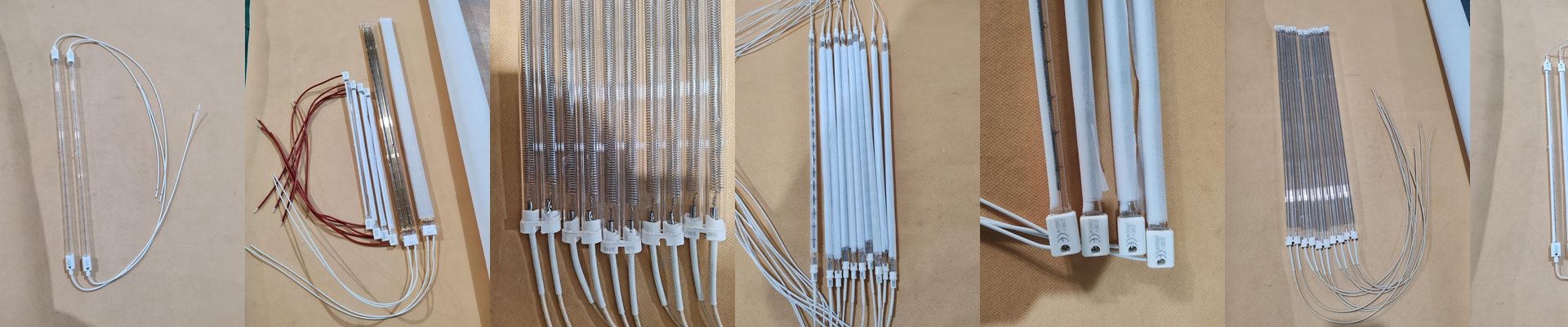
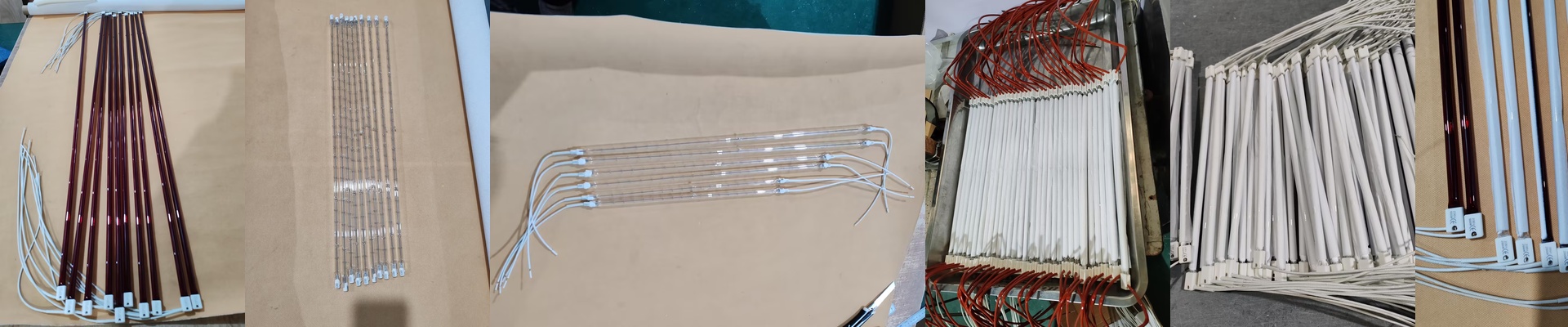
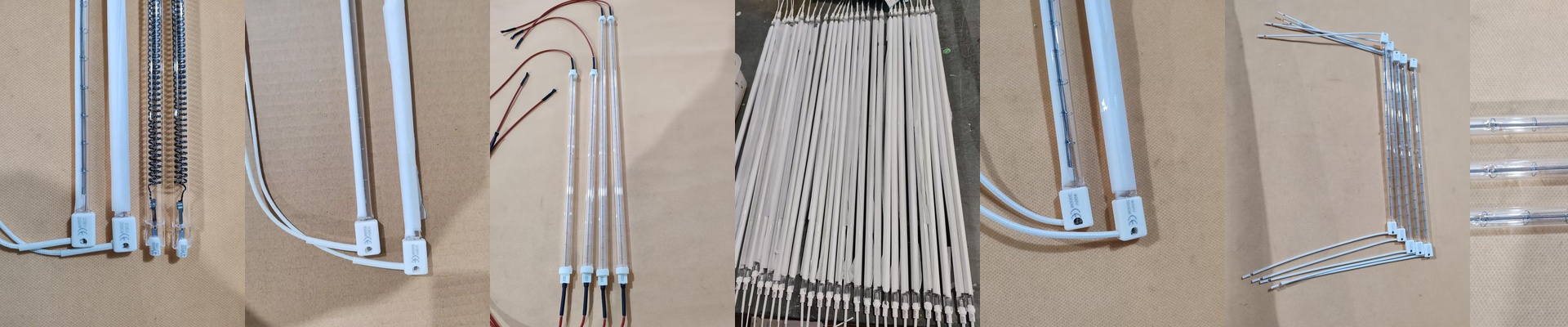
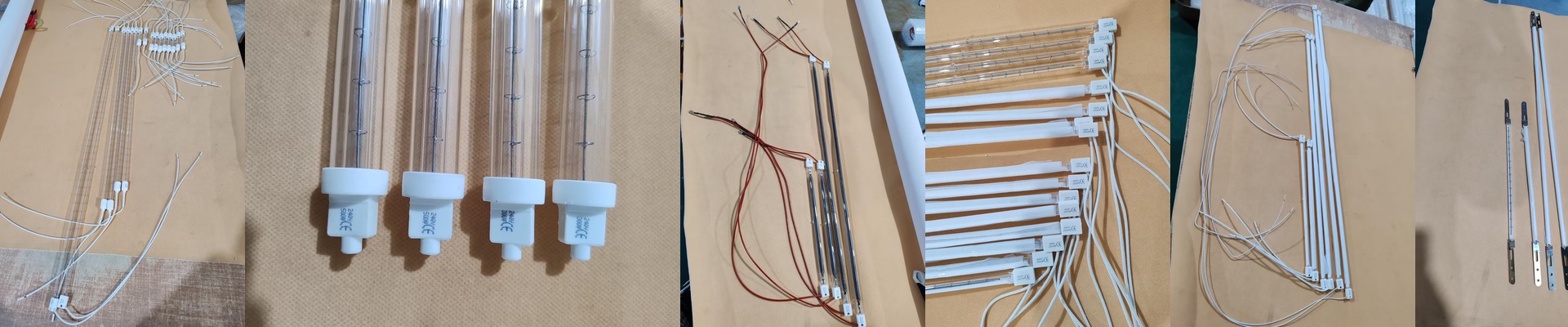
Most Tier-1 automotive shops start out with the big European brands for their heating arrays. It makes sense. When you’re running a tight line, the last thing you want to do is gamble on hardware that might crash your production. But eventually, you start looking for a domestic alternative. And let’s be honest: you aren’t just hunting for a cheaper lamp. You need something that slides right in and does the exact same job as the original, without messing up your thermal footprint or blowing a fuse. Getting the heat right Here’s the thing about switching brands: the numbers have to be spot on. If you’re using a 230V/1500W shortwave quartz lamp, your replacement needs to hit those marks within a tiny 5% window. If the power density drifts even a little, your plastic melt temperature shifts. Suddenly, you’re dealing with flashing or parts that aren’t filling properly. That’s why we obsess over the filament chemistry. We want that heat ramp-up to feel identical to what you’re used to. The “little things” that cause big headaches Most cheap lamps fail at the connection point. Simple as that. We stick to standardized R7s or SK15 bases so the lamp actually seats properly in the socket. If it’s loose, you get arcing. Arcing burns out your pins. It’s a mess. Plus, we use heavy-wall quartz tubing because these things take a beating from rapid thermal cycling. One quick heads-up: high-wattage tubes get you up to temperature faster, but they push your wiring harder. If you decide to go for higher density, just double-check that your relays and cables can handle the extra current without getting too hot. How to actually trust a new supplier I don’t care about fancy brochures. Neither do you. Trust comes from heat maps and real-world lifespan tests. We’ll show you the actual spectral distribution curves. That’s the only way to prove the wavelength actually matches how your material absorbs heat. My advice? Don’t swap the whole line at once. Run a pilot on a single zone first. Keep a close eye on the PID controller to make sure the temperature isn’t jumping around. Once it’s as stable as the European brand, then you can roll it out to the rest of the floor.