Introduction: The Step You Can’t Skip
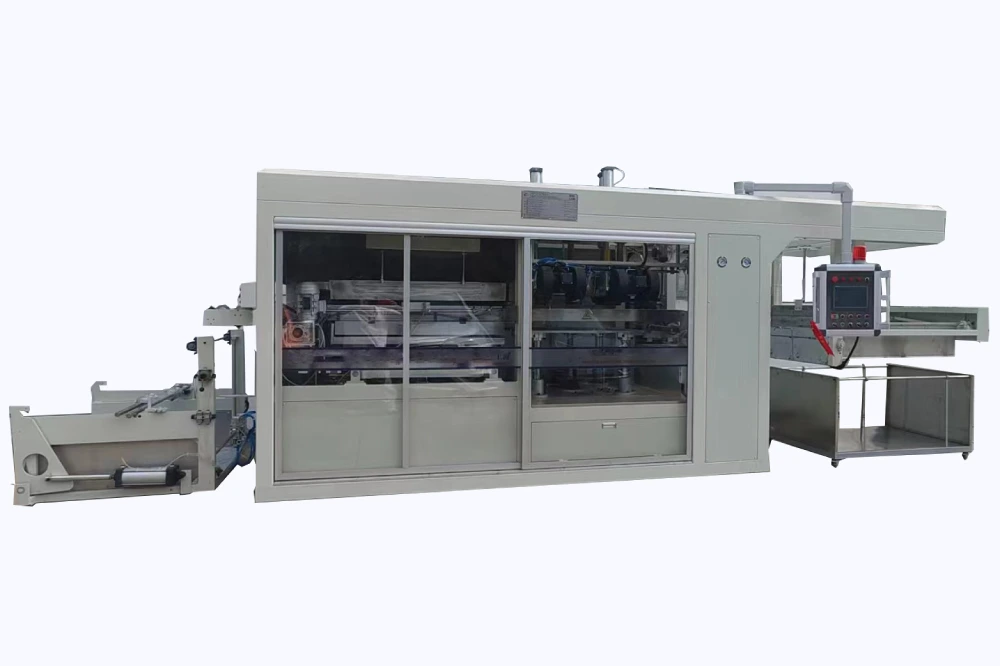
You know that moment on the line when quality hits a wall? Everyone asks the same thing: why are we running automotive interior parts through infrared annealing? Here’s the truth—it’s not a preference. It’s physics. Infrared halogen annealing isn’t some cosmetic touch-up. It’s about releasing the stress locked inside plastic parts after injection molding. If you skip it, you’re risking warped parts on the assembly line and parts that miss dimensional specs when they reach the customer.
The Power Behind the Process: Heat, Control, and Repeatability
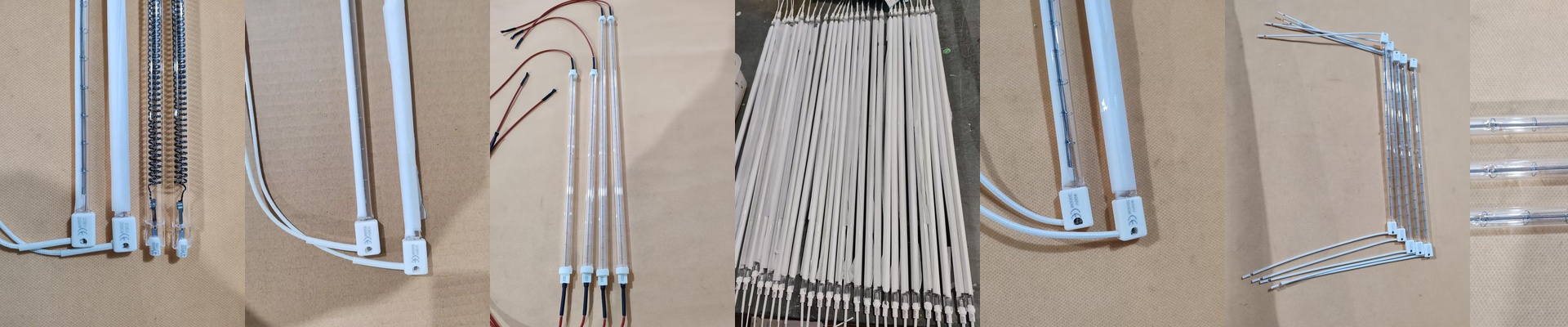
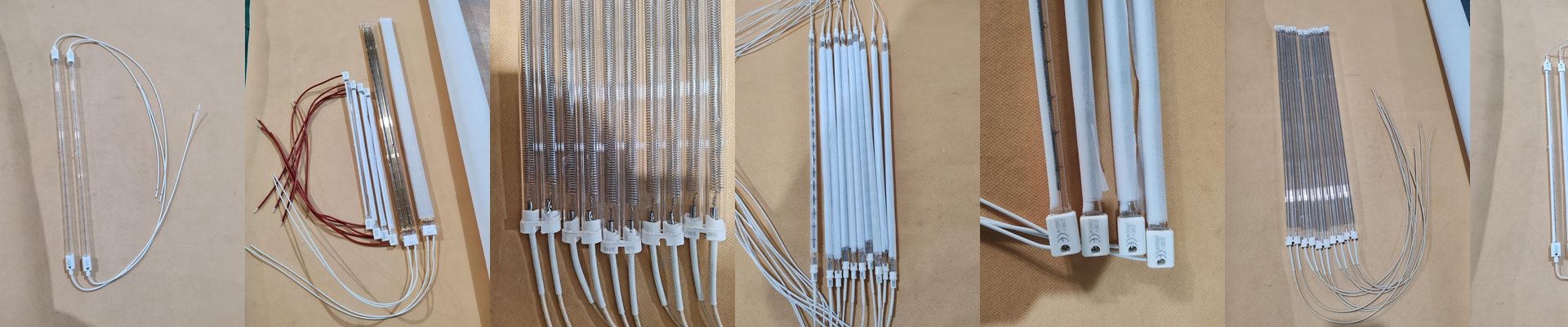
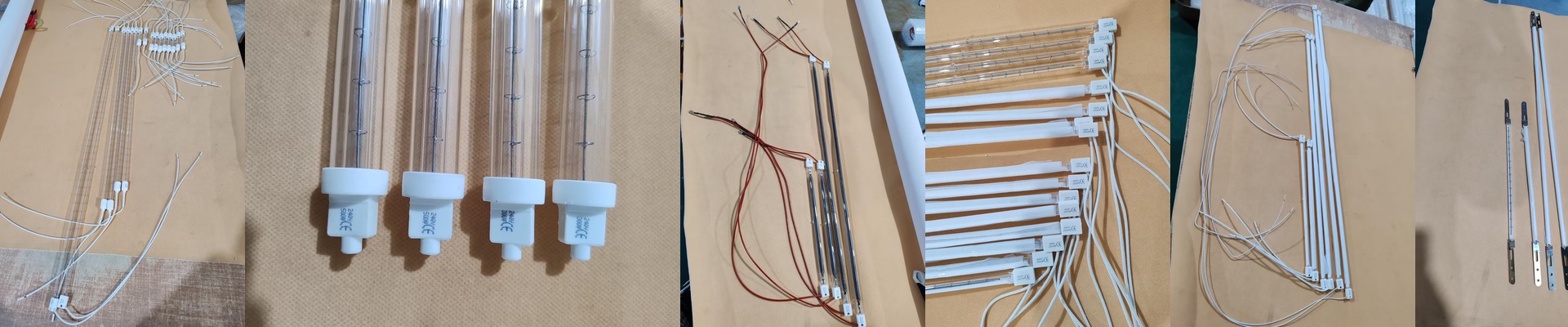
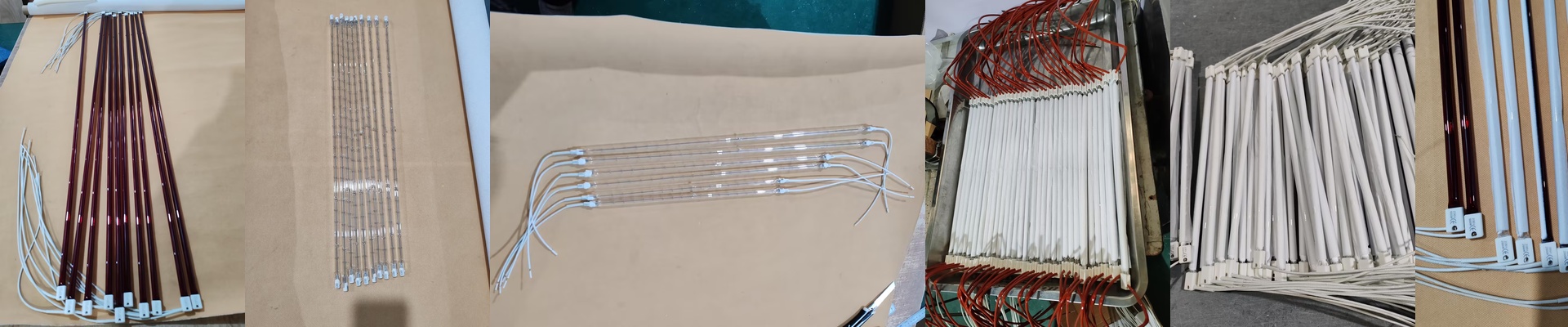
We build our infrared annealing systems around a high-density halogen lamp module. It’s spec’d for 400V so the heat stays stable and repeatable, even when your line is running hard. We match the lamp length and focal distance to the part geometry. That way, the heat hits exactly where it matters—gate areas, thick walls, clip features—without scorching the thin sections. The 2500W rating is about heat density, not brute force. It gives you the ramp-up speed you need for a compact footprint and a fast cycle. But that also means the cooling and shielding have to be done right. If the cabinet can’t shed the ambient heat, you’ll start seeing temperature drift and the lamp life will shrink.
The Details That Save You Time (and Headaches)
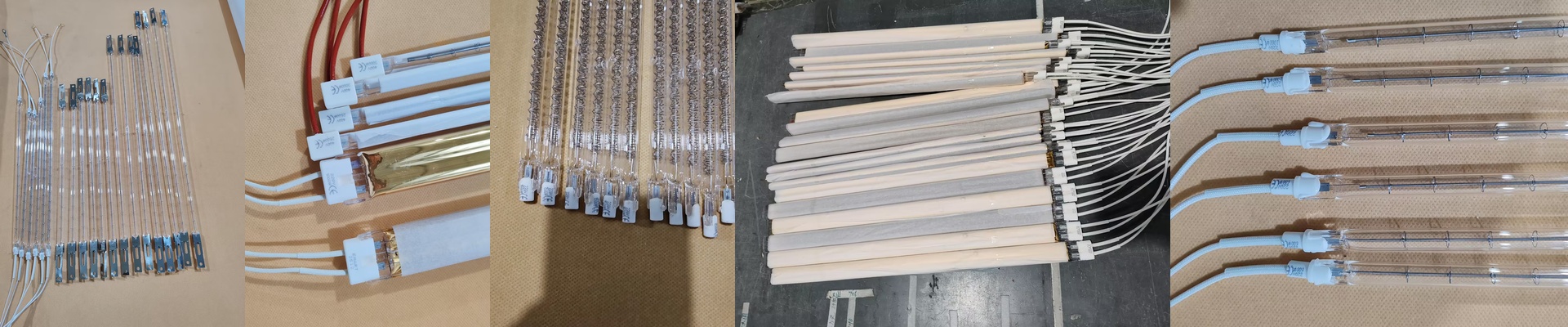
We use a quartz envelope because it can handle rapid heating and cooling without cracking. Inside, the halogen element keeps output steady, so your process window stays tight. And there’s a reflective coating on the lamp body that pushes more energy forward. More irradiance on the part, less wasted heat. Then there’s the connector choice—the R7s base. It’s compact, proven, and makes lamp swaps quick. No rewiring the whole heater block. It’s a drop-in replacement, so downtime drops and your maintenance team can get the line back up fast without hunting for special terminals.
Why It Matters for Automotive Quality
Automotive interior parts have to survive assembly, heat aging, and day-to-day use without warping or cracking. Infrared annealing removes residual stress at the molecular level, which improves dimensional stability and cuts down post-molding shrinkage. That’s why it’s treated as a quality gate, not an add-on. The payoff in your plant is clear: fewer rejects, tolerances that stay steady, and parts that fit consistently. Yes, the higher power density means you need disciplined thermal management. But when the system is spec’d correctly, it keeps your process right where the automotive industry demands.