1250W Halogen Lamps: The Real Deal Behind High-Density Industrial Heat
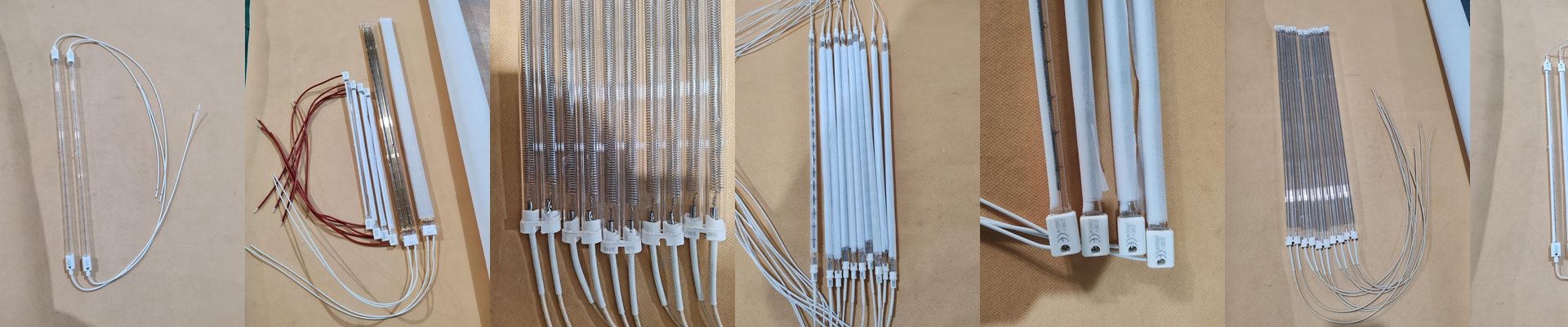
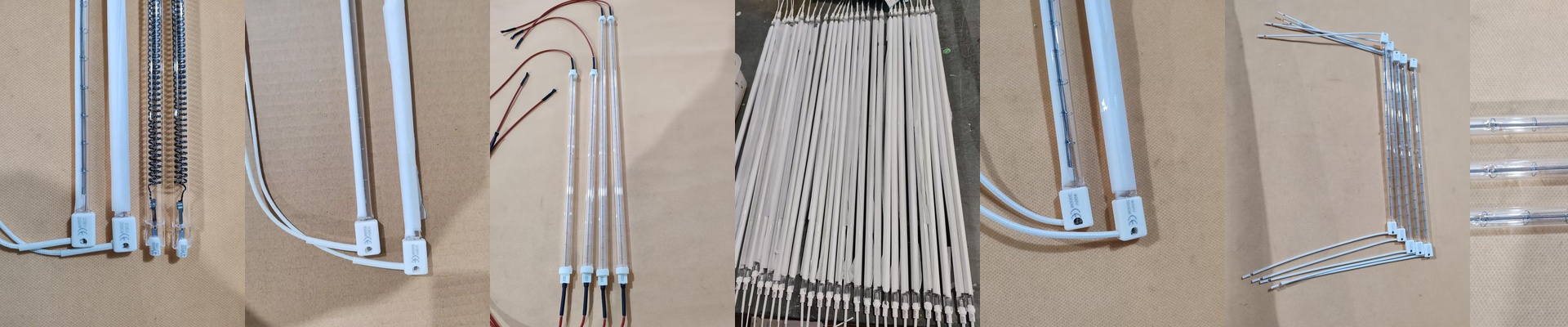
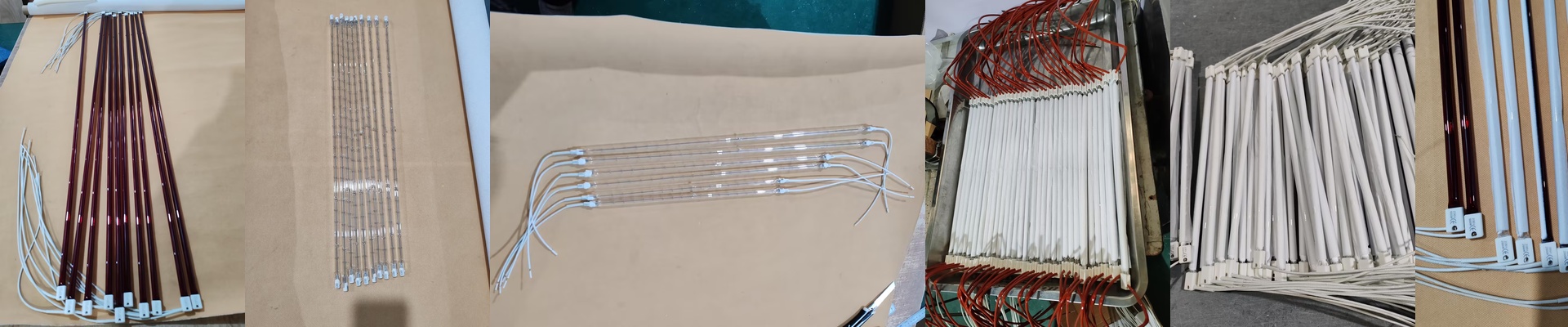
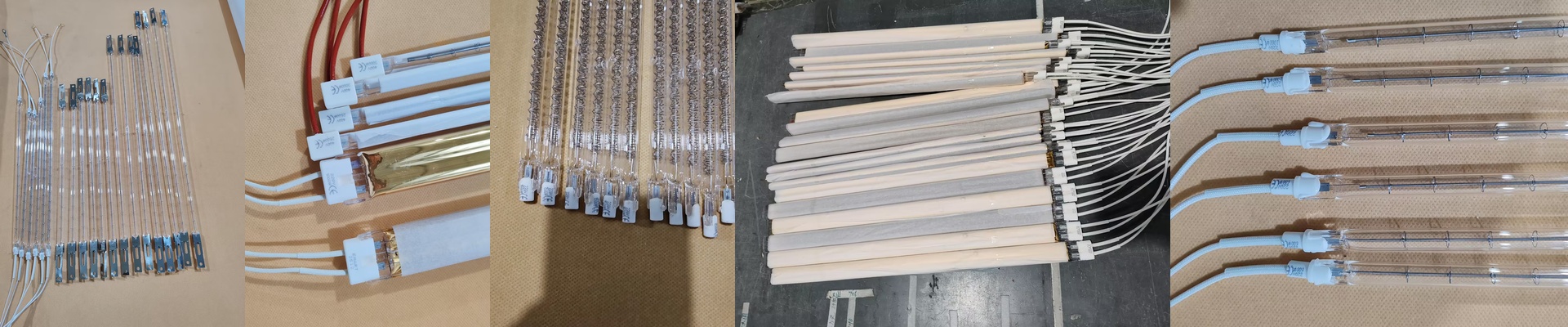
Let’s cut to the chase. A 1250W halogen lamp isn’t your everyday bulb. It’s a compact powerhouse, built for one thing: delivering intense, focused heat right where you need it. Think spot heating, drying materials, or curing finishes—stuff on the factory floor that demands serious heat in a small space. When you need a lot of heat, fast, without taking up a ton of room, this is your go-to.
Power, Voltage, and the Right Fit
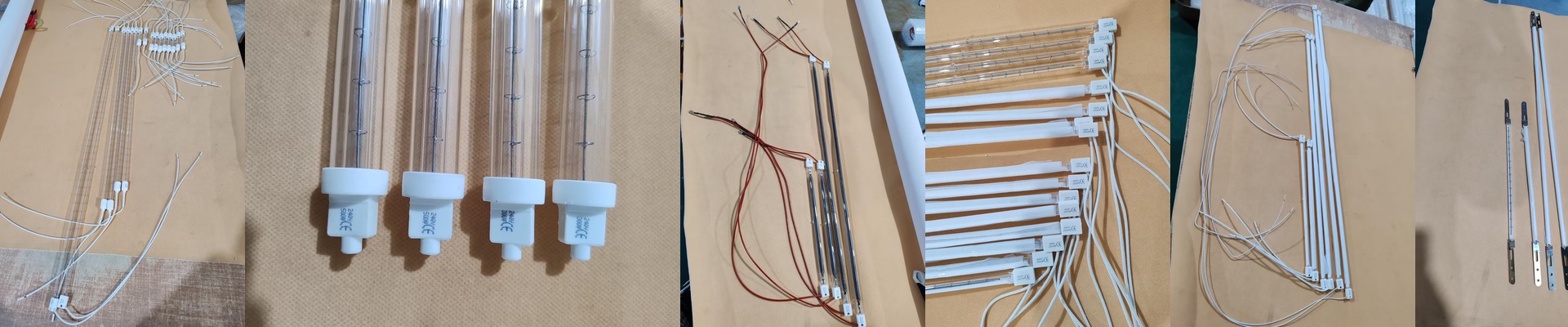
That 1250W rating? It’s all about the heat output, not just how much electricity it pulls. This power level is chosen specifically to get things hot, and fast, without needing a massive housing. Pair that with the right voltage—usually 230V or 400V, depending on your setup—and you’ve got a component that fits neatly into your industrial controls. And the size? It’s smart. A typical 1250W halogen lamp is around 300mm long, with a tube diameter that keeps all that heat focused in one spot. This means you can point the energy exactly where it needs to go and keep the rest of your equipment safe.
What’s Inside: The Secret to Longevity
Inside that quartz tube, a clever thing happens. The halogen cycle works to keep the filament stable, putting the evaporated tungsten back where it belongs. The payoff? Consistent heat over the life of the lamp, and way less darkening than you’d get with a standard incandescent. The quartz itself is built for the extreme heat and can handle the shock of turning on and off. That’s a big deal when your machine is cycling all day long. Then there’s the R7s base. This double-ended connector gives you a solid, aligned connection, making replacement a simple swap-in. It also makes it easy to line up in a reflector, so the heat pattern stays exactly where you want it.
Heat on Demand, When You Need It
Where do you see these lamps in action? Everywhere you need fast, focused heat. Plastic processing, packaging lines, coating work—they all benefit. The lamp hits operating temperature almost instantly. That means shorter cycles and more precise control over your process. Now, here’s the catch. All that power needs to be managed. You’ve got to plan for proper airflow, add shielding, and keep a safe distance. But get the spec right and control the environment, and you’re rewarded with predictable heat, repeatable cycles, and a heating module that’s a breeze to service when needed.