
Halogen Quartz Tube Heaters: The Engineering Logic Behind High-Density Industrial Heating
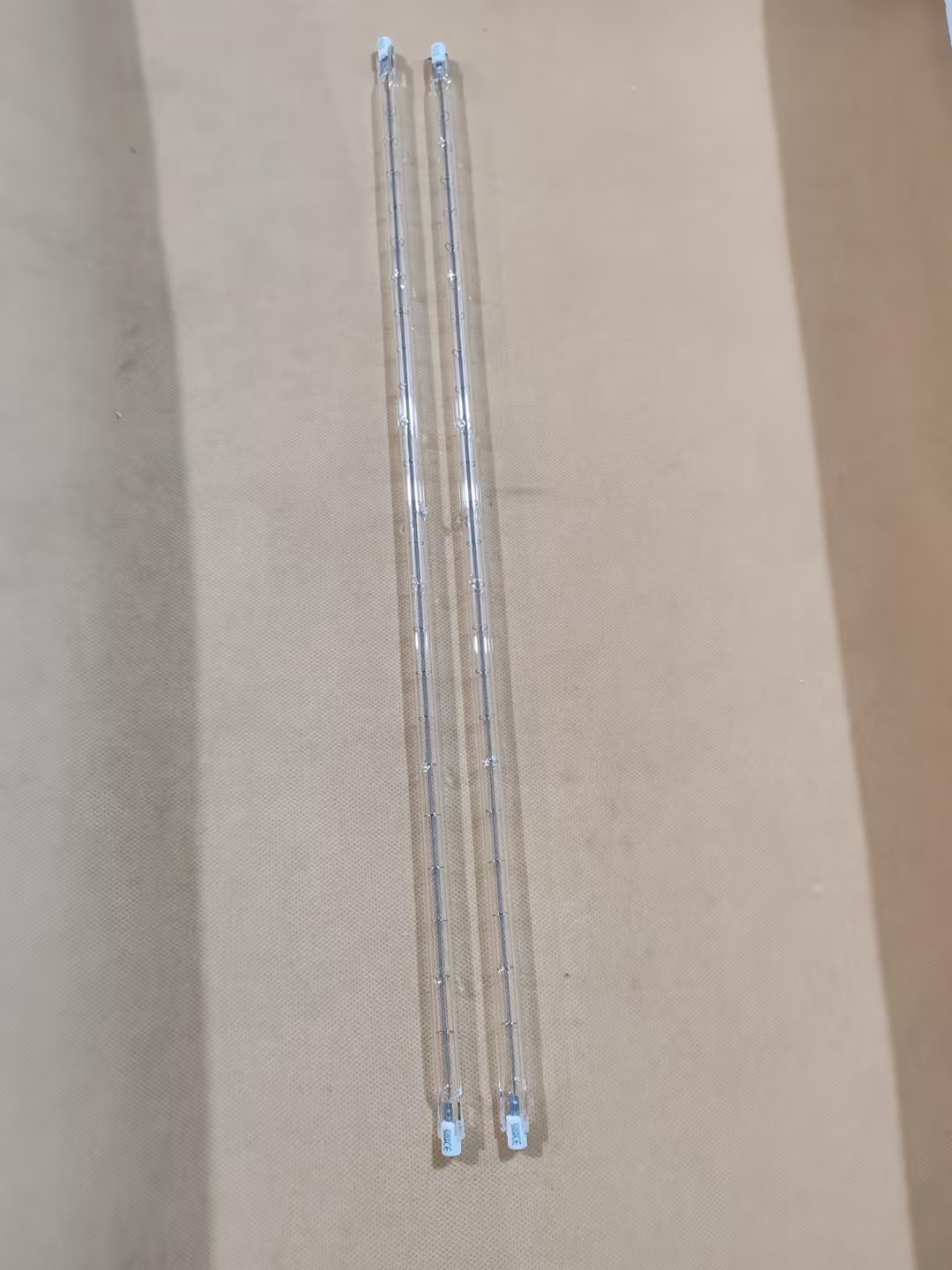
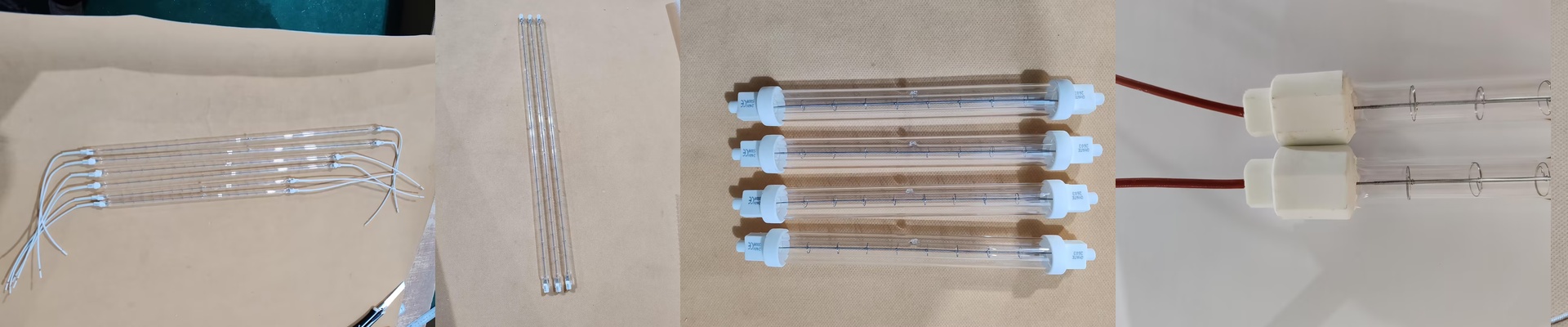
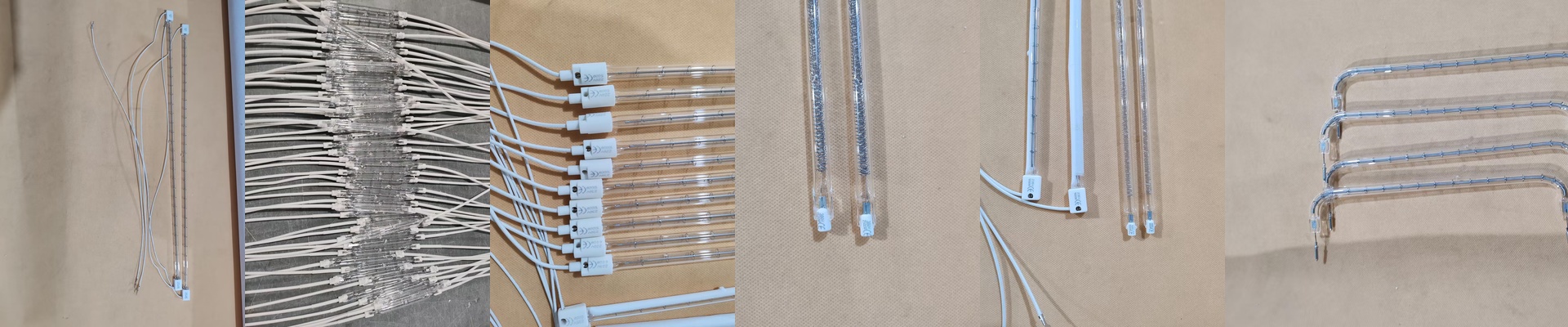
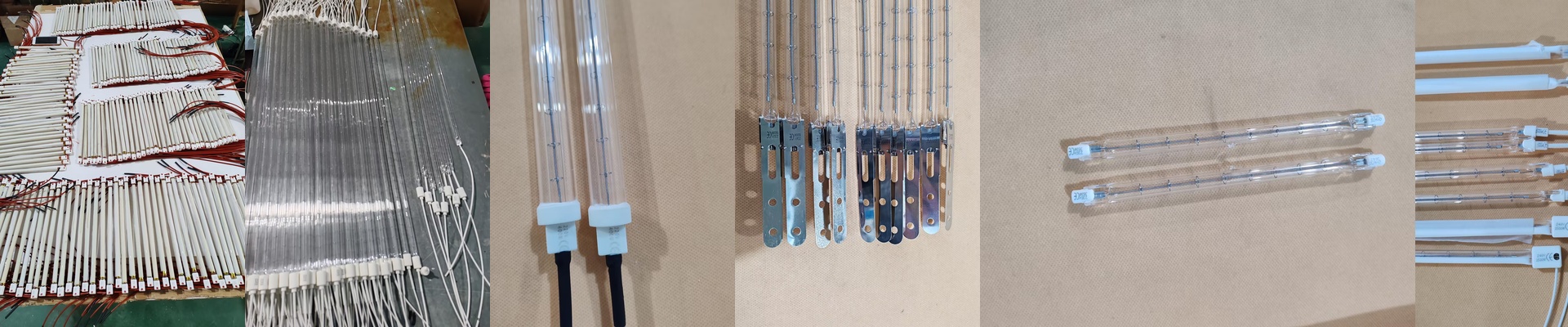
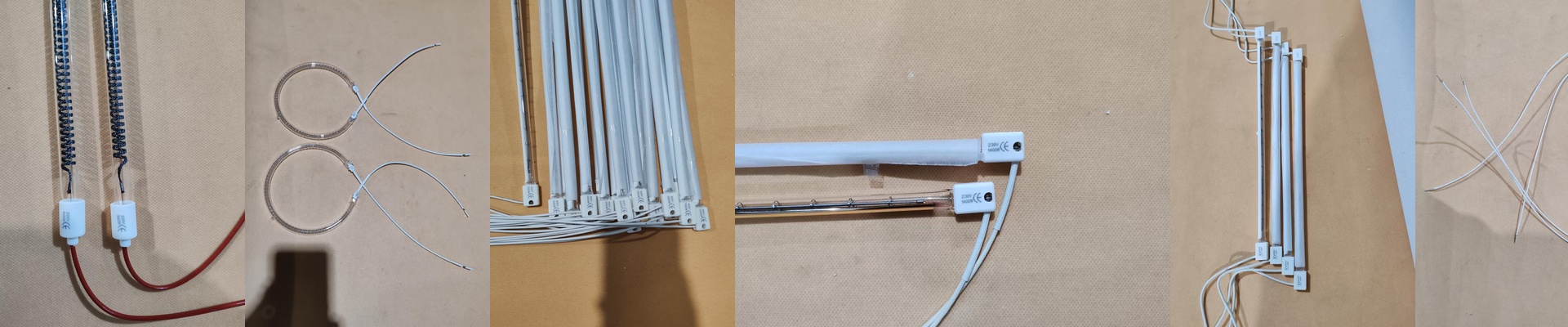
When you need to pack serious heat into a tight footprint, the halogen quartz tube heater element is the standard workhorse. We build these for industrial environments where space is at a premium and the heat demand is immediate. This isn’t a gentle warm-up element; it is a high-intensity radiant heater designed for direct, targeted energy transfer.
Technical Deep-Dive: Power, Voltage, and Dimensions
The core specs of these heaters—typically running at 400V and delivering power outputs from 1000W to 2500W—are not arbitrary. They are engineered to meet the thermal load requirements of fast-cycle machinery. The wattage density is the key metric. A 2500W output packed into a 300mm tube creates a high watt-per-centimeter ratio. This allows the heater to raise the temperature of a target material quickly, which is critical for processes like PET blowing where cycle time is money. However, the 400V rating comes with a system-level trade-off. While it reduces the current draw compared to lower voltage options, allowing for thinner internal wiring, it demands a robust control circuit. You need to ensure your control panel and contactors are rated for the higher potential. The length of the tube dictates the heat zone coverage. A 300mm tube gives you a specific linear heating area; if you try to cover a wider area with a tube that is too short, you will get hot spots and uneven processing.
Material & Design: The Physics of the Tube
The choice of quartz is non-negotiable for high-temperature stability. Quartz handles the thermal shock of rapid heating and cooling far better than standard glass. It maintains its structural integrity even when glowing bright orange. The halogen gas filling inside the tube is the secret sauce. It creates a chemical regeneration cycle that prevents the tungsten filament from blackening the inside of the tube. This cycle keeps the light output consistent over the life of the element, preventing the efficiency drop-off you see in standard incandescent heaters. The connector choice is critical for the shop floor. The R7s base is the industry standard for double-ended linear tubes. It provides a secure mechanical lock and handles the high current without loosening. We use heavy-duty internal connections that can take the vibration and thermal expansion of industrial equipment. The quartz tube itself is often coated or treated to handle specific environmental factors. If the heater is exposed to moisture or specific chemical atmospheres, a specialized coating prevents the tube from etching or cracking. Without it, the tube burns out prematurely.
Application & Benefits: Solving the Installation Problem
In the field, you need a heater that is a drop-in replacement. The compact form factor of the halogen quartz tube allows engineers to retrofit older machines or design new ones with minimal space allocation. The radiant heat transfer is direct. It doesn’t heat the air; it heats the object. This is a major advantage in open-air environments where convection heat would be lost. For applications like PET bottle blowing, the heater must deliver consistent radiant heat to the preform surface. The shortwave infrared spectrum emitted by these halogen elements penetrates the plastic surface efficiently, heating the material from the outside in without scorching the surface. The reality check is thermal management. Because these elements run hot, the surrounding machinery components take a beating. You must ensure the mounting hardware is heat-resistant and that the machine’s cooling system is properly spec’d. If the ambient temperature around the heater climbs too high, it shortens the life of the element and can damage nearby electronics. But when wired up correctly and paired with the right cooling, the halogen quartz tube heater is the most reliable way to get high heat density into a small space. **Note:**Always verify the specific wattage and voltage requirements of your machine before installing a replacement element to ensure compatibility with your control circuitry.