
Introduction
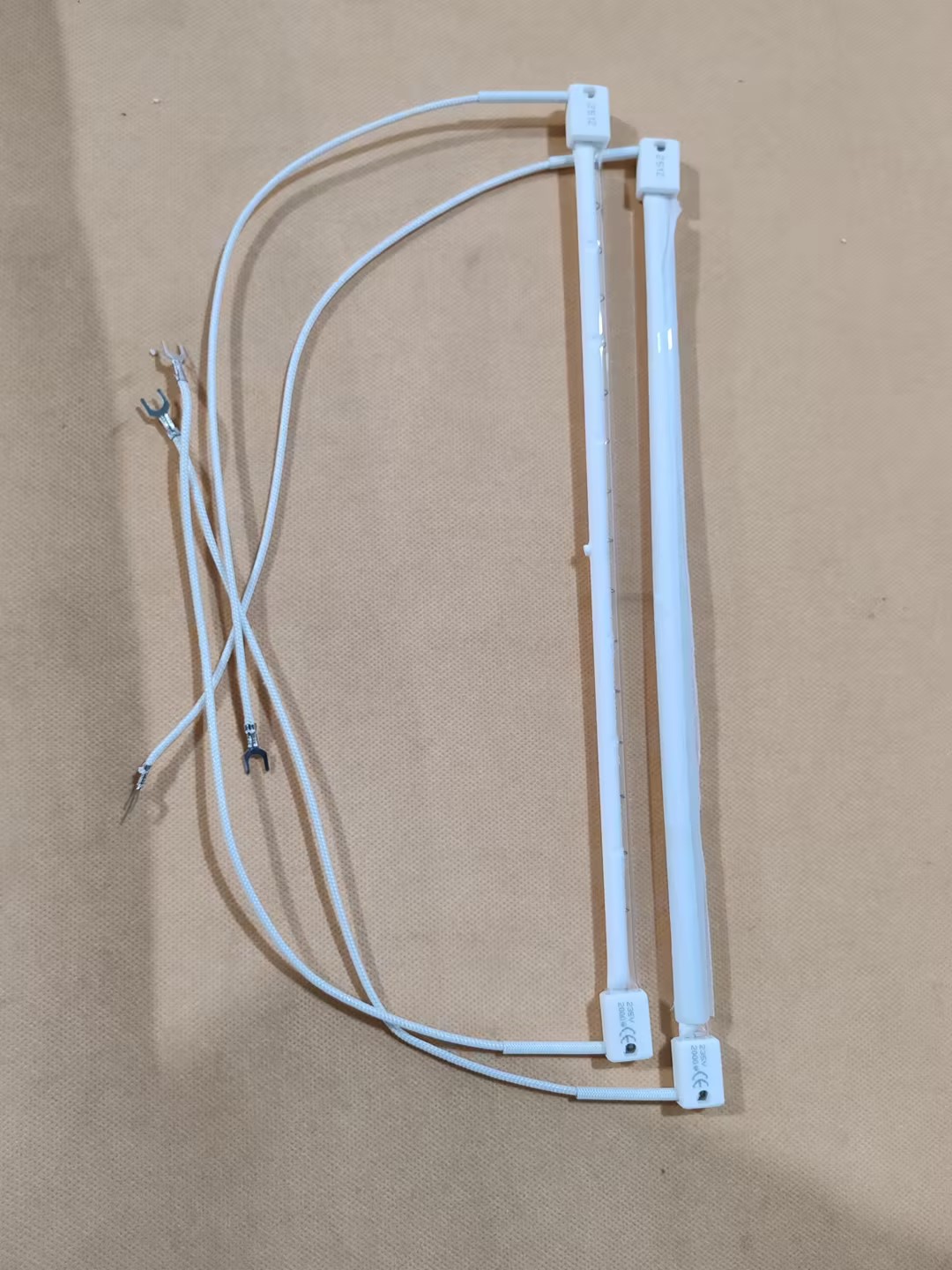
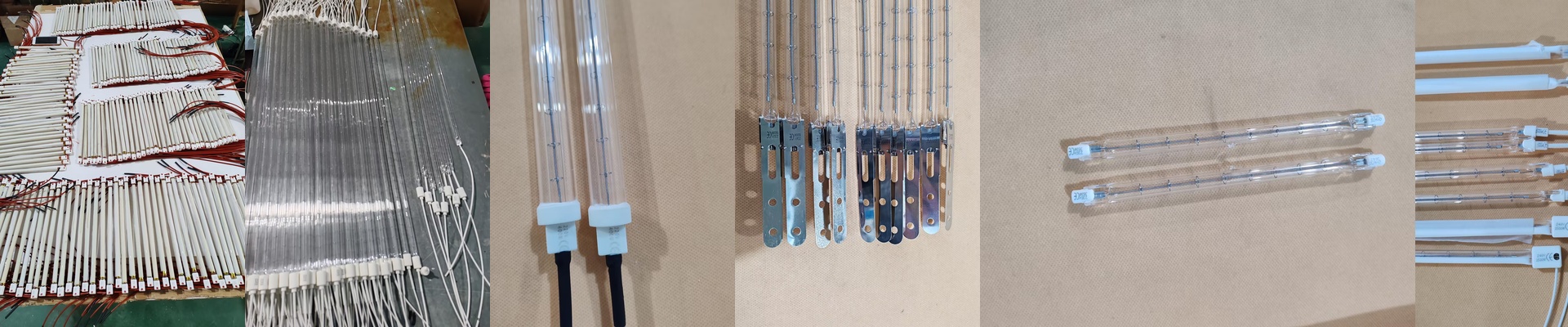
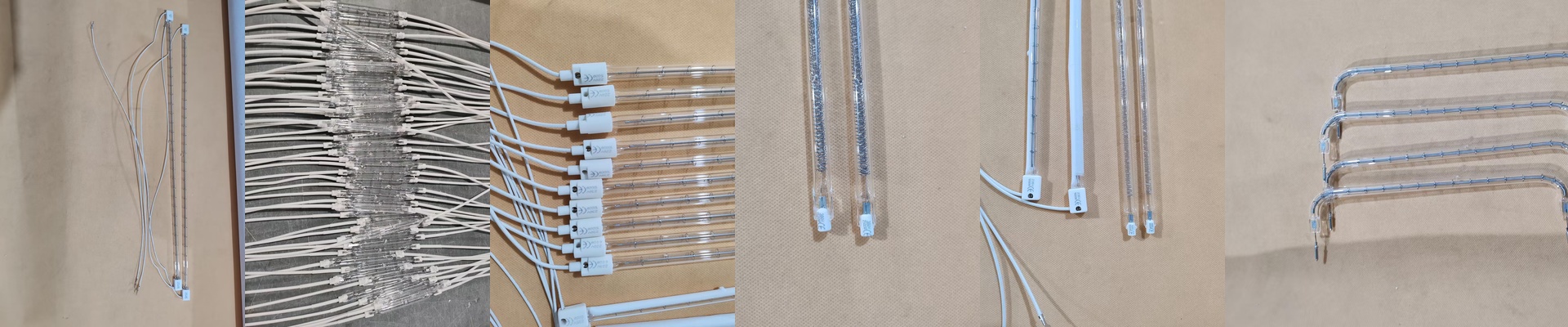
A halogen heat lamp is a compact, high-intensity infrared (IR) emitter engineered for industrial spot heating. It targets localized thermal processes where you need fast response and high heat density, not ambient warmth. These lamps are built around a quartz envelope, a halogen gas fill, and a tungsten filament. This combination gives you predictable performance in harsh machine environments, from plastic processing to packaging sealing.
Technical Deep-Dive: Power, Voltage, and Dimensions
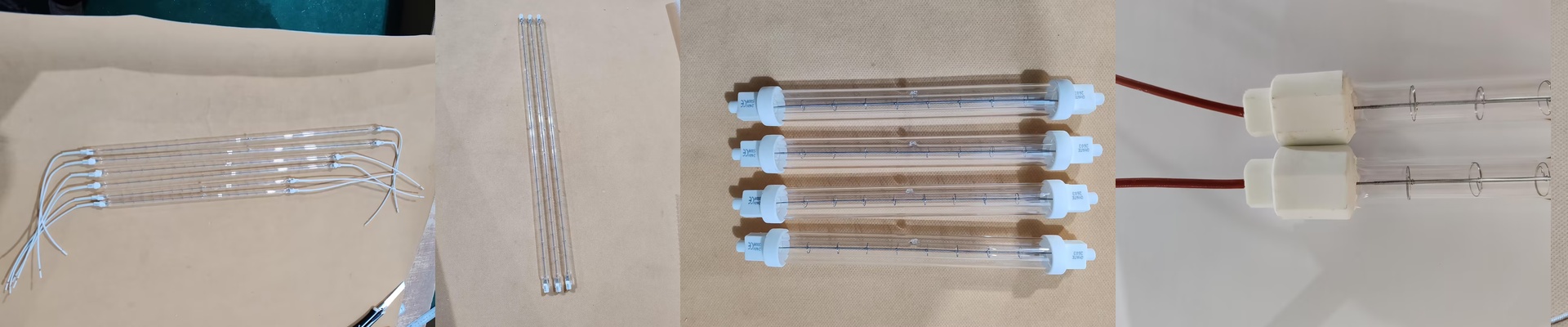
Halogen heat lamps are specified the way you spec a tool: wattage, voltage, and physical envelope. A typical unit runs at high wattage in a small footprint—think 2500W delivered from a 300mm tube. That power density is why you see high operating voltages like 400V. A 400V design reduces current for the same power, which lowers conductor size and I²R losses in the wiring and connections. It also keeps the lamp compatible with common industrial control panels and step-down transformers. The 300mm length is not arbitrary. It sets the heat pattern: a defined hot zone without excessive spread. Shorter lamps concentrate flux; longer lamps spread it. When you match lamp length to the target area, you avoid wasted energy and reduce the load on surrounding components.
Material and Design: Quartz, Halogen Cycle, and Connectors
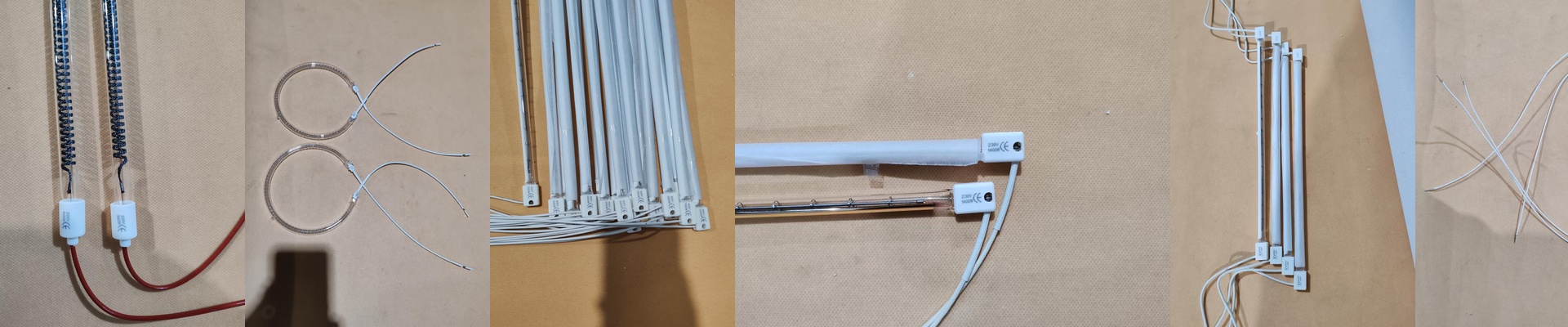
The lamp body is quartz, not glass. Quartz withstands the filament temperature and resists thermal shock during rapid on/off cycling. Inside, the halogen cycle keeps the filament stable. Tungsten evaporates during operation and recombines with the halogen gas instead of blackening the envelope. The result is consistent output over life and a cleaner, more stable heat profile. Coatings matter. A reflective coating on the back of the filament or on the inner wall redirects infrared energy forward, cutting stray heat and improving directional efficiency. This is especially useful when you need to focus heat on a specific line or part. The connector defines how the lamp integrates. An R7s base is a common choice for linear halogen lamps. It provides solid electrical contact and mechanical retention, and it lets you swap lamps quickly without rewiring. In some designs you will see SK15 connectors, which are chosen for secure locking and repeatable alignment in equipment that vibrates or cycles frequently.
Application and Benefits: Why This Configuration Works
Halogen infrared lamps are used where you need fast heat-up and precise control: PET blowing preheat, thermoforming, adhesive curing, and sealing. The lamp turns on almost instantly, so you can run intermittent cycles without waiting for a large heater block to recover. This configuration delivers high heat density in a small footprint, which simplifies integration into tight machine spaces. The 400V option keeps current manageable, but it also means your control gear and cooling must be sized correctly. High power density creates localized hot spots, so you need adequate airflow or shielding to protect nearby sensors and wiring. We design these lamps as drop-in replacements. If your machine was built around a specific wattage, voltage, length, and base, you want the same spec to maintain process repeatability. Match the lamp to the thermal profile, wire it up with the correct rated cabling, and the system performs predictably shift after shift.
Reality Check: Trade-offs to Plan For
High output comes with trade-offs. The lamp runs hot—expect significant surface temperatures. Use ceramic or heat-resistant sockets, and keep clearances. The halogen cycle works best at design temperature; under-volting can shorten life and reduce output. Over-volting risks premature burn-out. Treat the lamp as part of a thermal system: mount it, align it, and manage the heat path, or you will chase inconsistent results on the line.