The Heat Behind the Machine
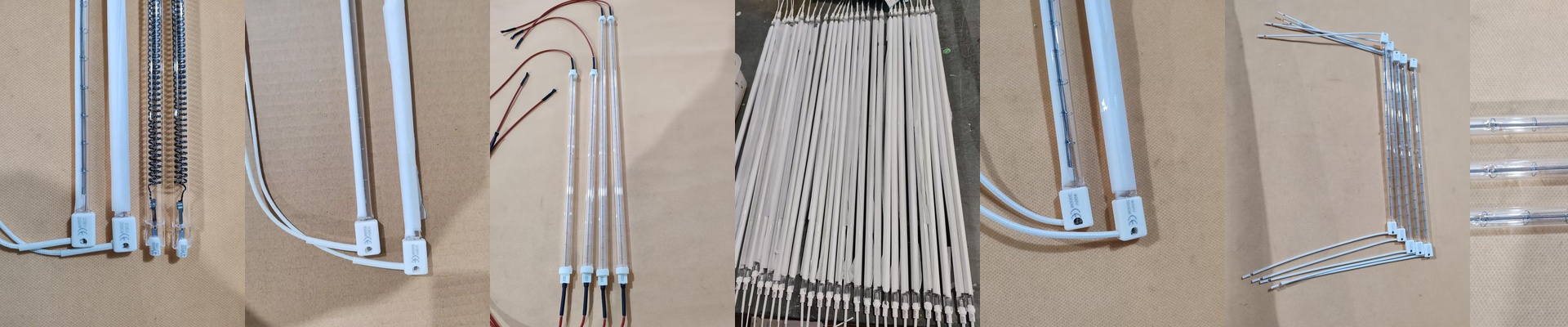
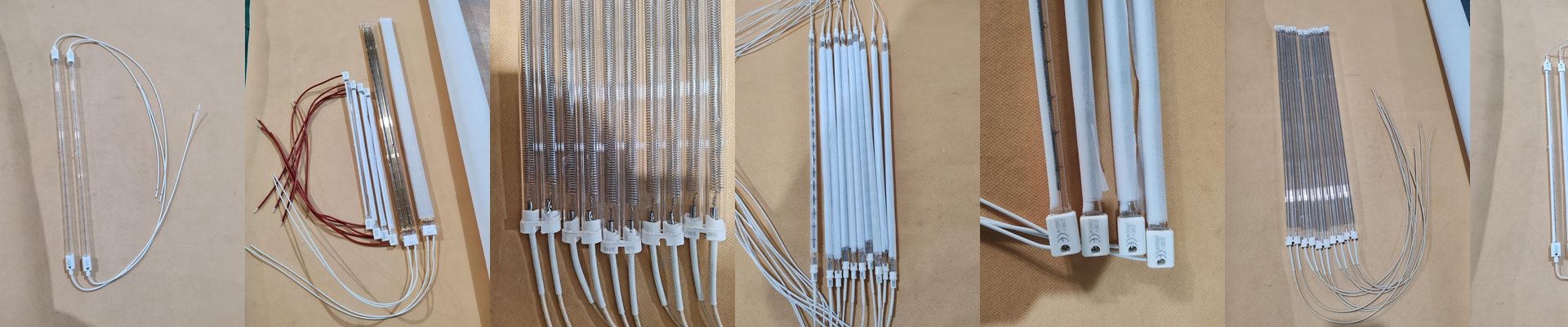
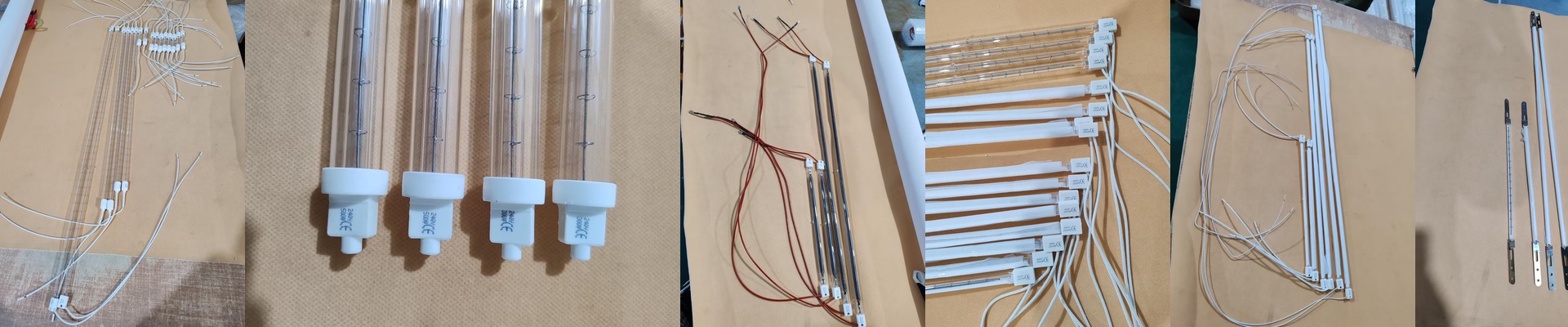
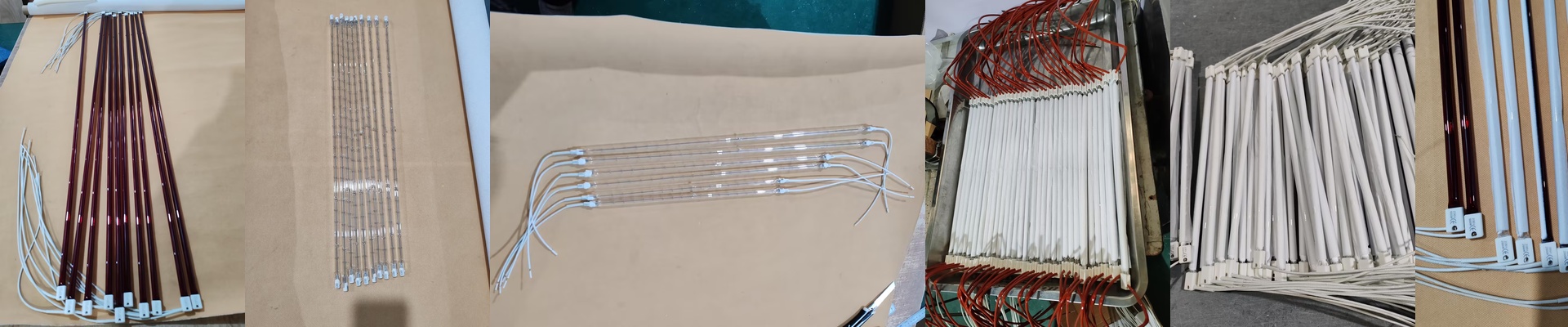
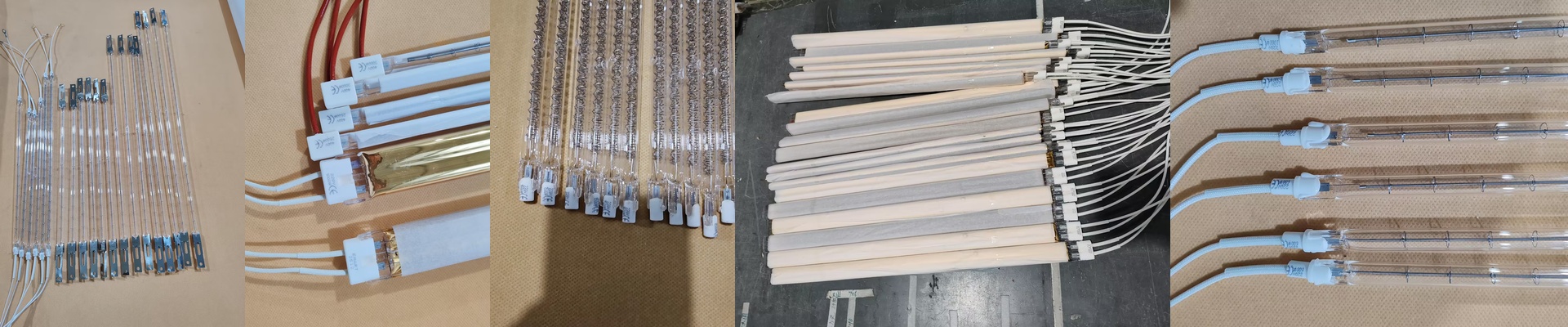
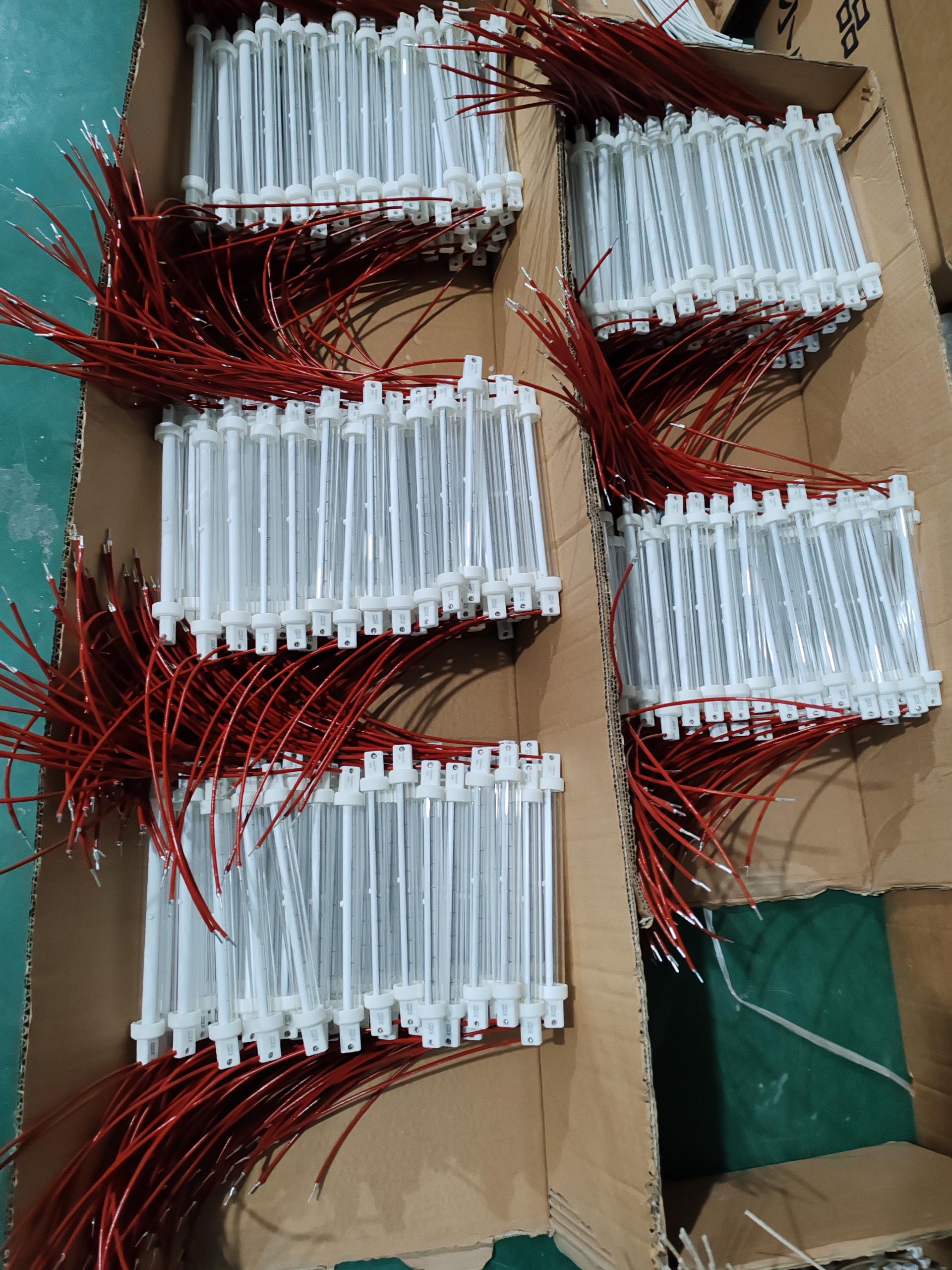
We built this infrared halogen lamp tube for engineers who need serious heat in a seriously small space. It’s not just about the numbers—400V, 2500W, 300mm long—but they matter. Every spec is there for a reason: to pack a ton of power into a tight footprint. When space is tight but your heat demand is sky-high, this is your answer. Running at 400V lets us hit that wattage without overloading your wiring. But that also means your control circuitry needs to be up to the task. You’re getting a lot of heat from a little tube, so your cooling setup has to be ready to handle the temperature climb.
Why Quartz, Not Glass
The tube is quartz, plain and simple, because it can take the heat—and the chemical stress of the halogen cycle. Inside, we use a halogen gas that works like a recycler. It grabs evaporated tungsten and puts it back on the filament. That keeps the tube clear and stretches its life, so you won’t get the blackening you see in regular bulbs. And the R7s connector? It’s a direct, bi-pin design built for high current. Wiring is straightforward, and it’s tough enough to survive the factory floor, day after day.
Where It Shines—and What to Keep in Mind
This tube was made for industrial heating—think PET blowing, plastic welding, curing. The shortwave infrared cuts right in, heating from the inside out, not just warming the surface. That means faster cycle times and better control over the process. And because it’s a drop-in replacement, you can upgrade without overhauling your whole system. Yes, you’ll need solid thermal management and components rated for high voltage. But the payoff is simple: a dependable, high-output heat source that keeps your line moving.