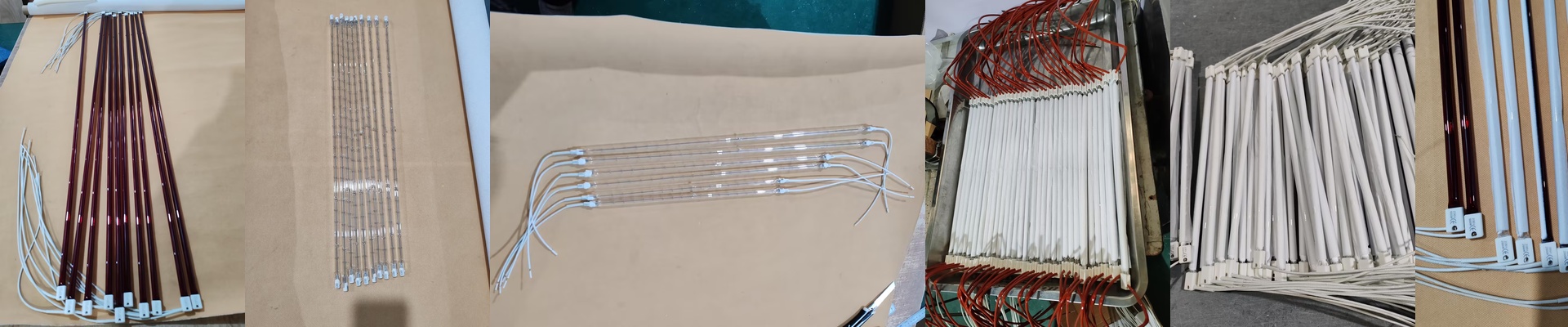
Let’s Talk Quartz Halogen IR Heaters
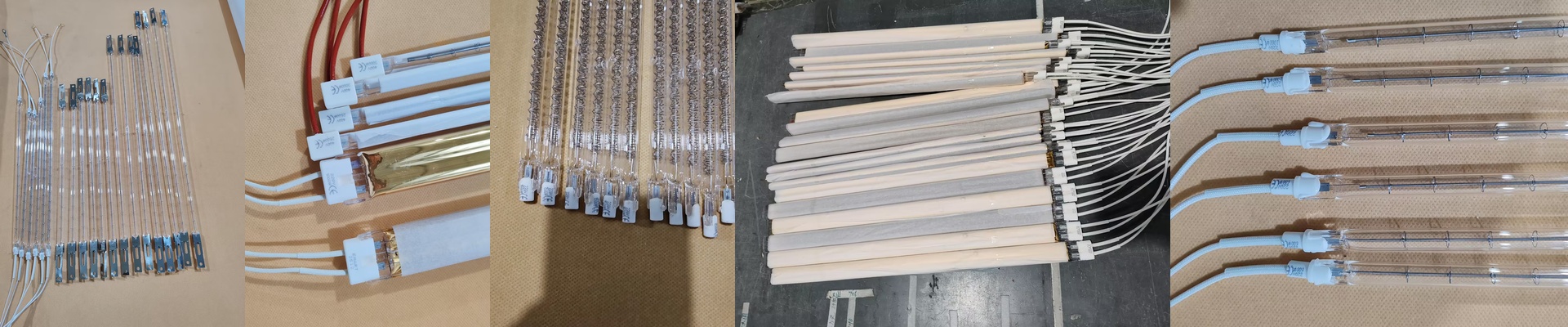
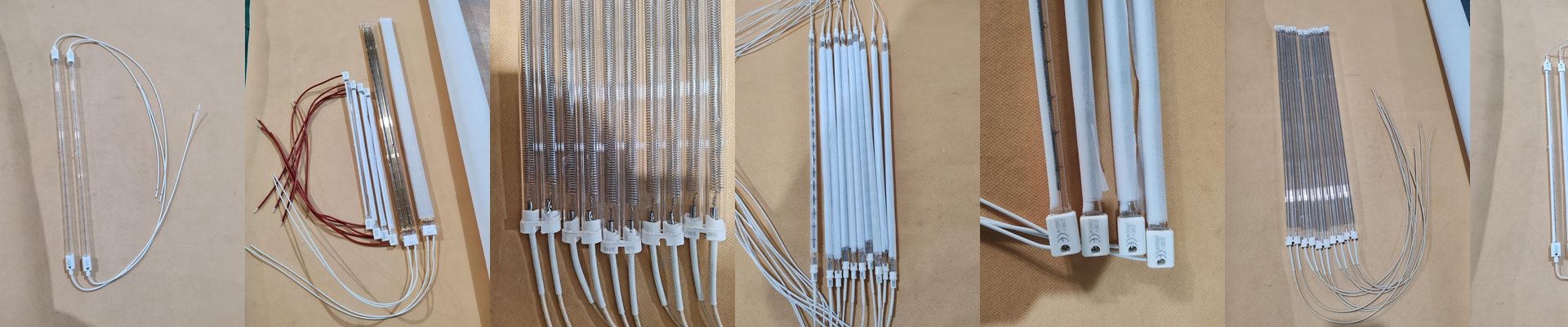
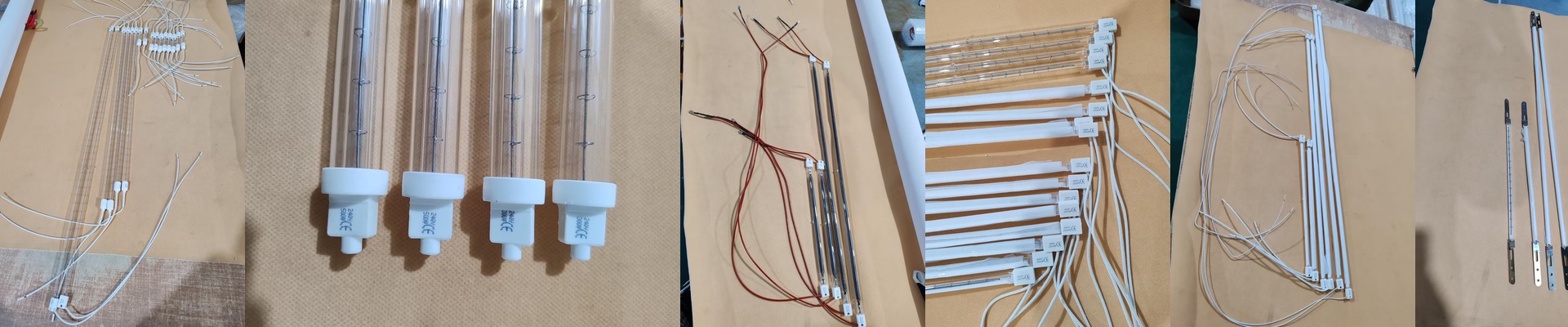
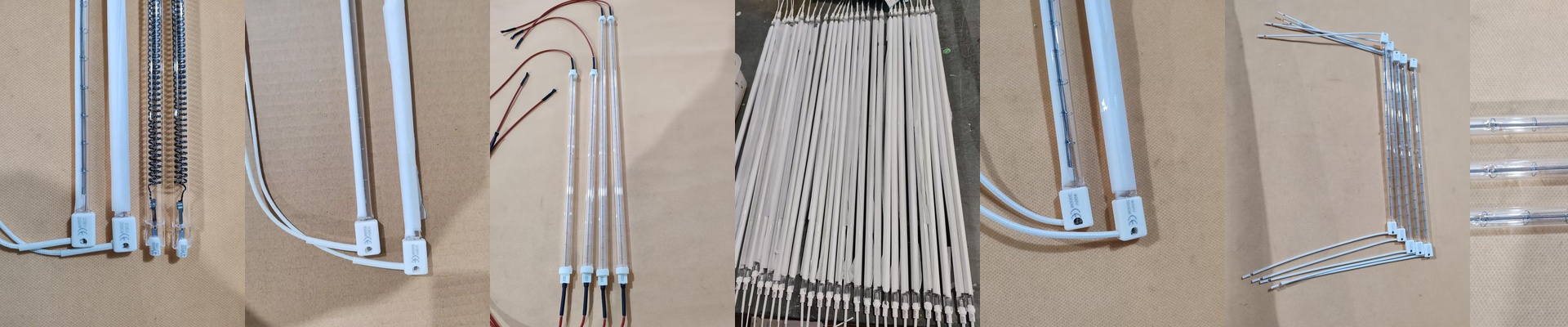
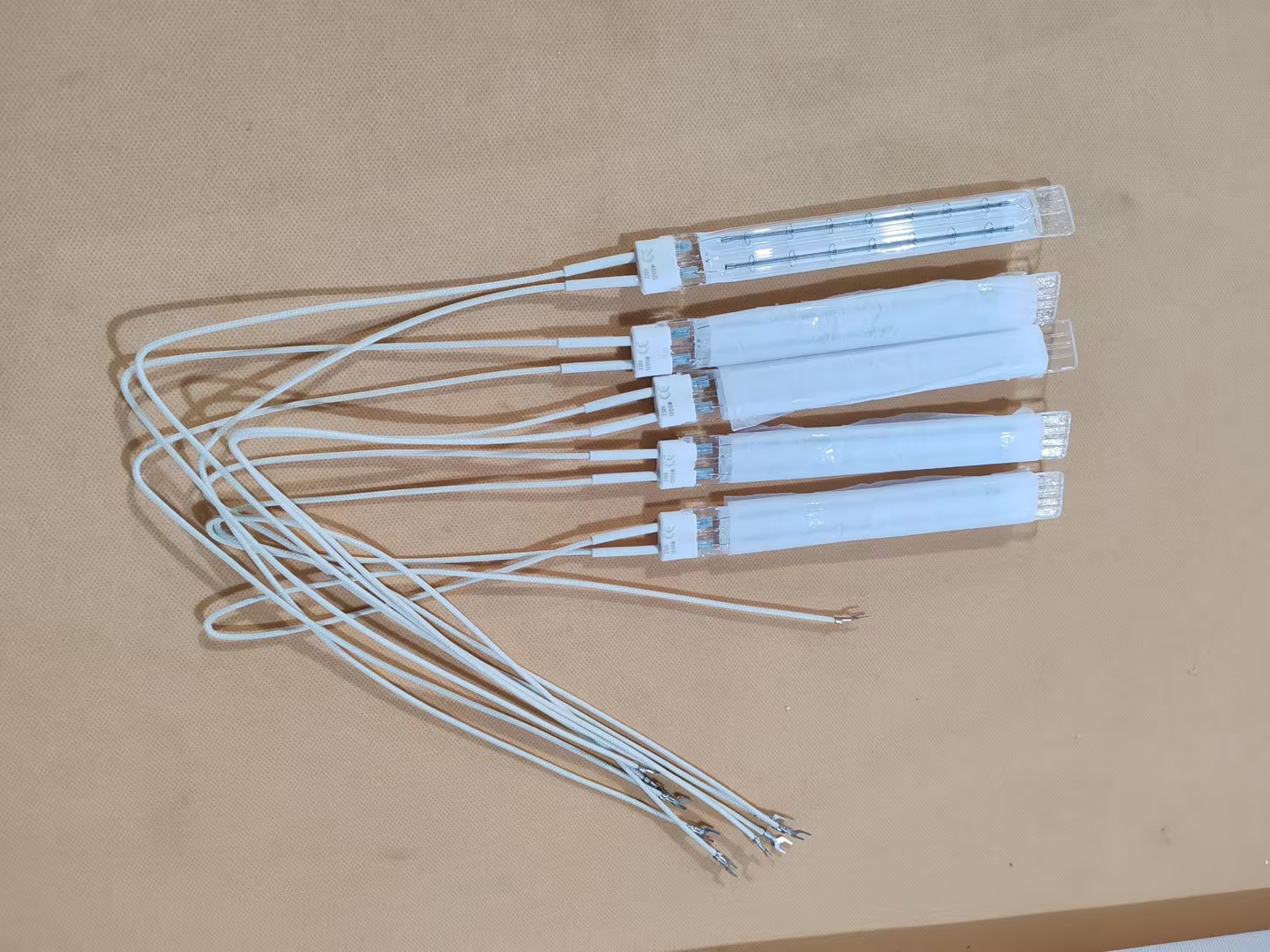
Here is the deal with quartz halogen heaters: you’ve got a tungsten filament tucked inside a high-purity quartz tube, all packed with a halogen gas mix. This isn’t your average lightbulb. That gas lets the filament get way hotter than a standard IR lamp. The result? A punchy, short-wave heat that hits your material directly. It doesn’t waste time heating up the air around it. It just goes straight to work. Getting the Power Right We can tweak the wattage and voltage to fit whatever your plant is already running. If you cram a high-wattage tube (think 2000W+) into a short space, you get some serious heat density. Now, if you’re on a 400V system, you’ll notice the current draw drops compared to a 230V setup. That’s great because you can use thinner wiring. But be careful—it puts more stress on your insulation. Also, make sure your controllers can handle that initial voltage spike when you flip the switch. It can be a bit of a jolt. The Hardware Side of Things The quartz tube is there to take the heat—literally—and handle the thermal shock without cracking. Depending on what you’re doing, we can coat these tubes. This helps shift the heat spectrum or keeps gunk and contaminants from ruining the glass. For the plugs, we stick with R7s or SK15 connectors. They’re basically the industry standard, so they’ll slide right into most industrial ovens. They grip tight, too, so you don’t have to worry about the lamp rattling loose while the machines are humming along. The Real-World Trade-off You’ll see these everywhere in PET blowing and plastic curing. The best part is the ramp-up time. It’s nearly instant. You aren’t sitting around wasting power while you wait for things to warm up. But there’s a catch. That intense heat is a double-edged sword. If your reflectors get dirty or slip out of alignment, you’ll get hot spots. And hot spots mean burnt product. You also can’t ignore the cooling. You need a solid plan to keep the lamp ends cool, or you’ll literally melt your connectors under a heavy load. Trust me, proper ventilation isn’t just a “nice to have”—it’s the only way to keep your equipment from overheating.