The Real Deal on Engineering Dental Halogen Lamps
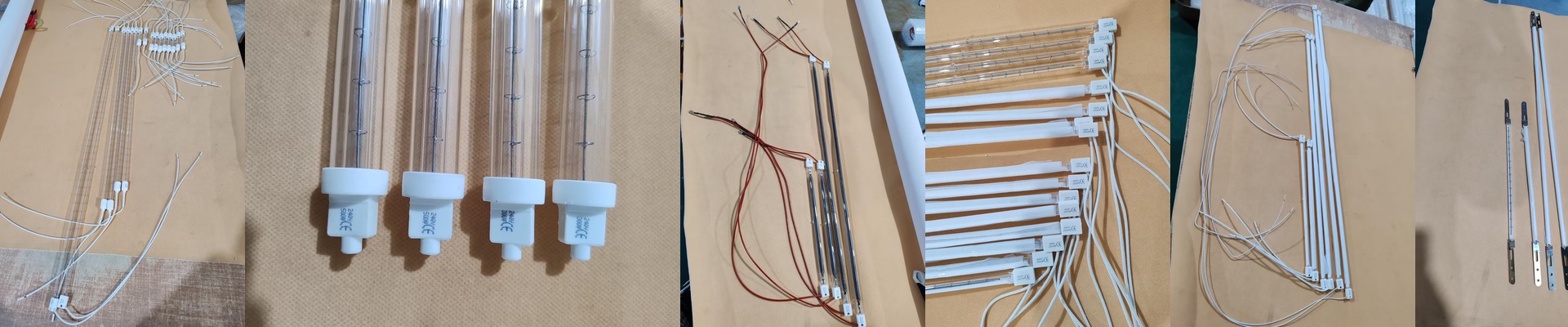
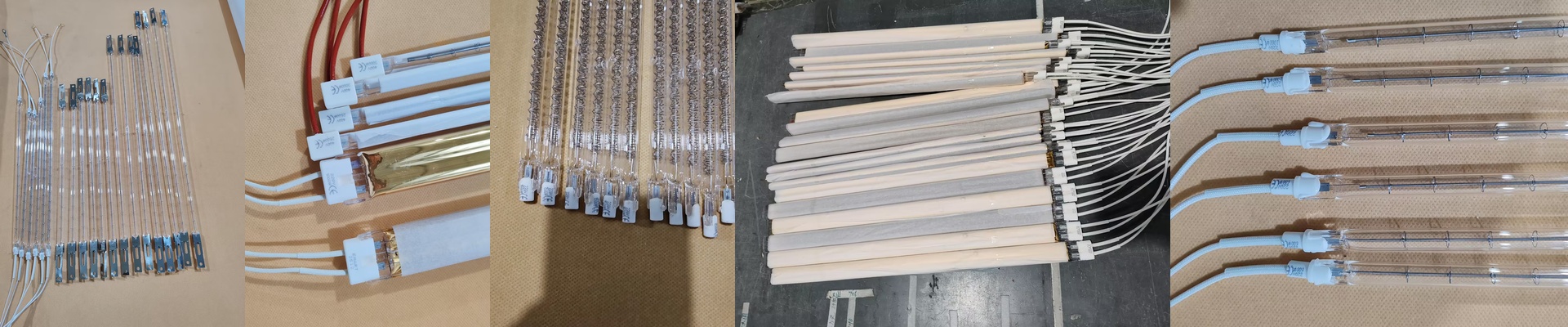
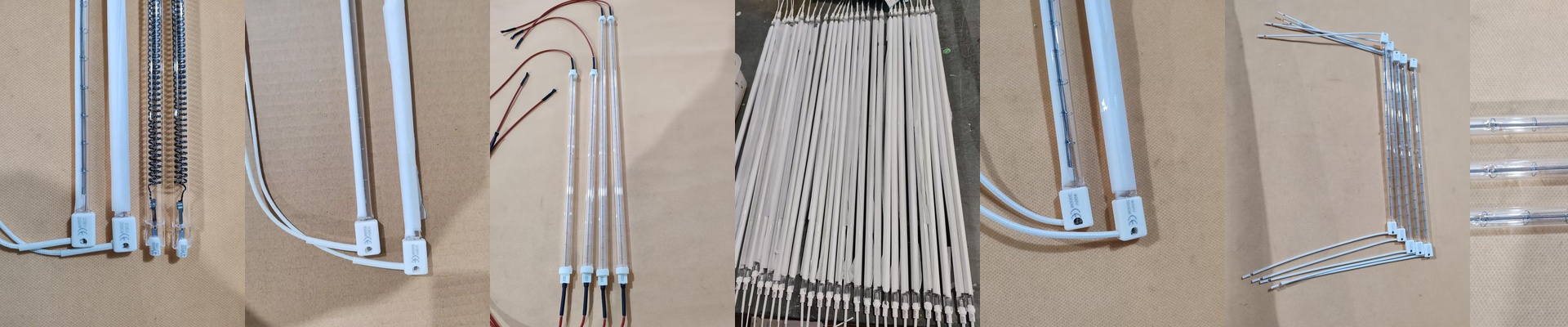
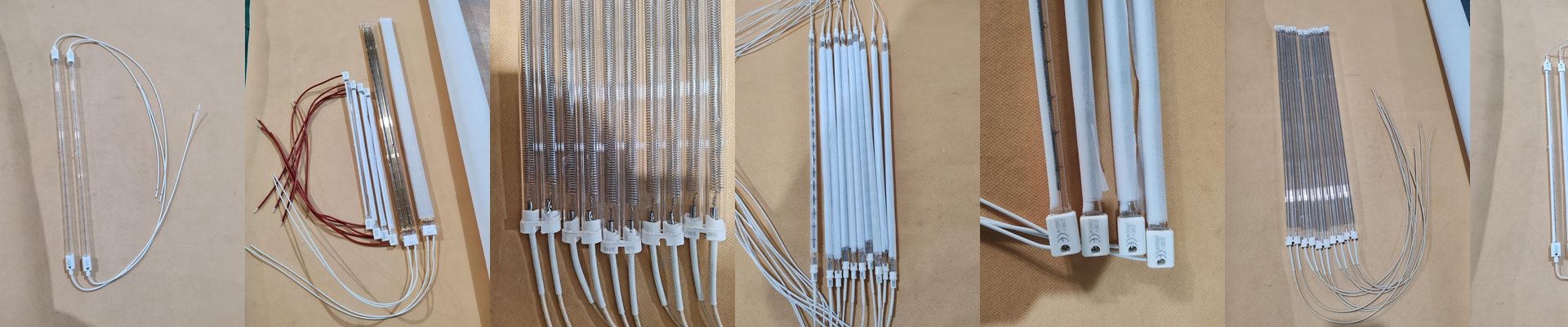
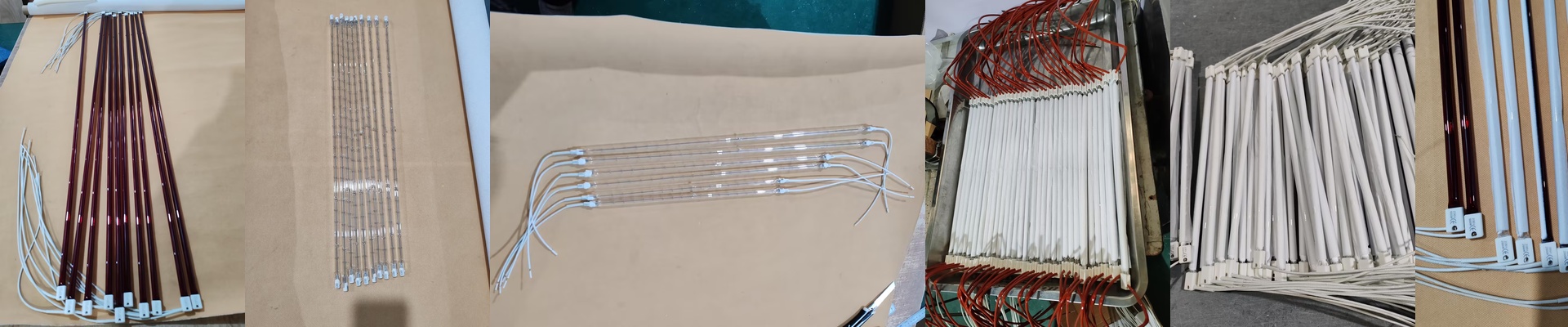
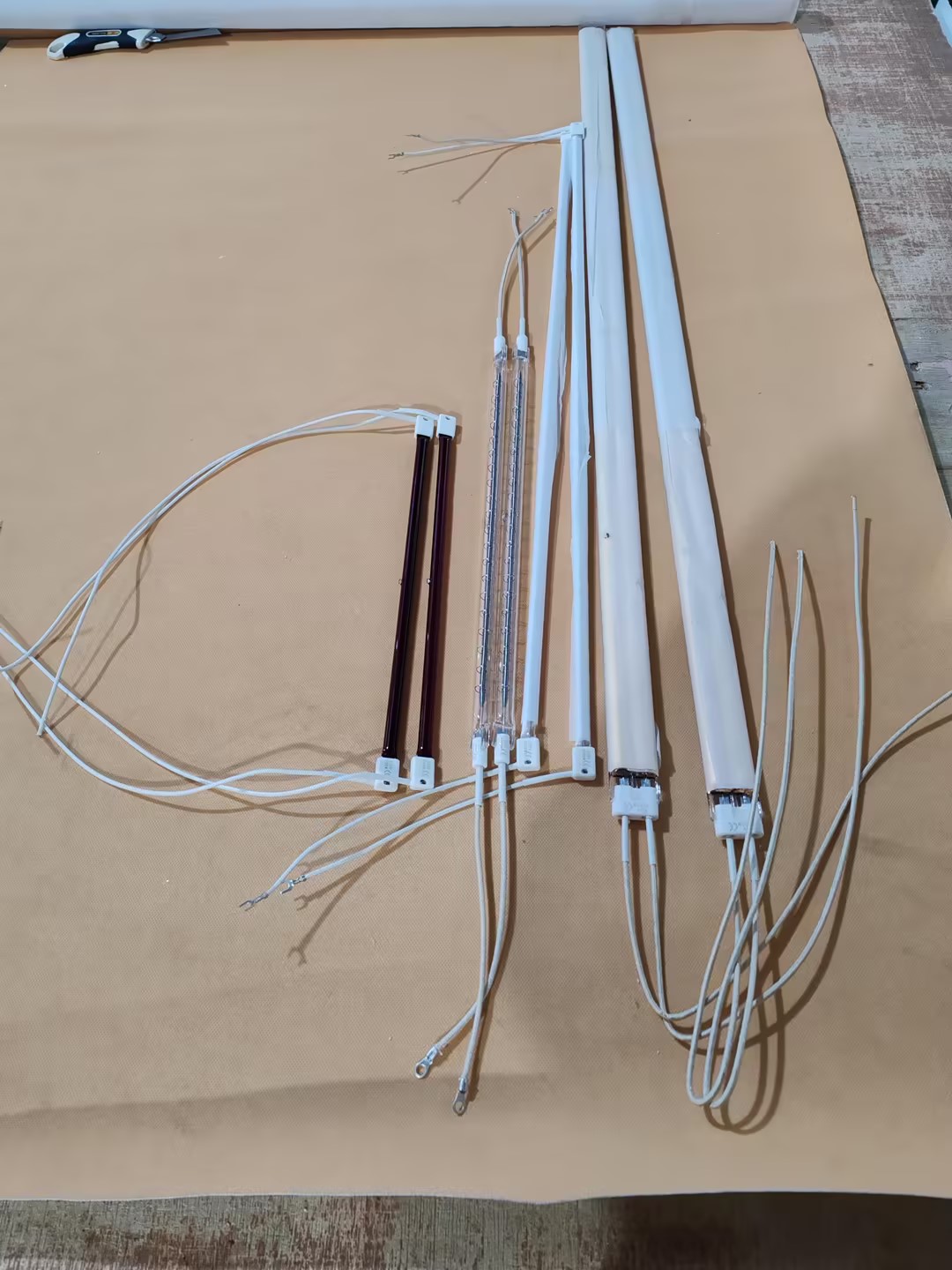
Let’s talk about halogen curing lamps. At their core, these things are basically high-powered infrared emitters. We build them to blast a concentrated beam of light and heat right where it’s needed, making sure that composite resin hardens fast without messing with the rest of the tooth. Dealing with the heat Here’s the thing: these lamps run hot. Like, really hot. To get the right light output, we have to push the voltage and wattage. But when you’re running a high-wattage filament, you’re fighting a constant battle with temperature. If your cooling fan or heat sink isn’t up to the task, you’re in trouble. The lamp head will overheat, and before you know it, the filament burns out or the quartz glass just gives up. It’s all about keeping that airflow moving. Quartz and the “Easy Swap” We use high-purity quartz for the bulbs for a reason. It can take a beating from extreme temperature swings and lets the curing wavelengths slide right through without getting trapped. Plus, we designed these with a compact base. Why? Because bulbs eventually die. Instead of stripping the whole housing and rewiring everything, you just pop the old one out and drop a new one in. It takes seconds. The trade-off Now, there’s a catch. The great thing about halogen is that it produces a broad spectrum of light, so it works with almost any curing agent you throw at it. But that versatility comes with a side of heat. Unlike LEDs, halogens put out a lot of infrared radiation. You have to be careful about how close the tip gets to the patient’s tissue—nobody wants a burn. That’s why we suggest using a calibrated light guide. It keeps the beam tight and shields the surrounding area from the stray heat. It just makes the whole process safer and a lot smoother.