Stop Letting Your Profits Leak Out of the Oven
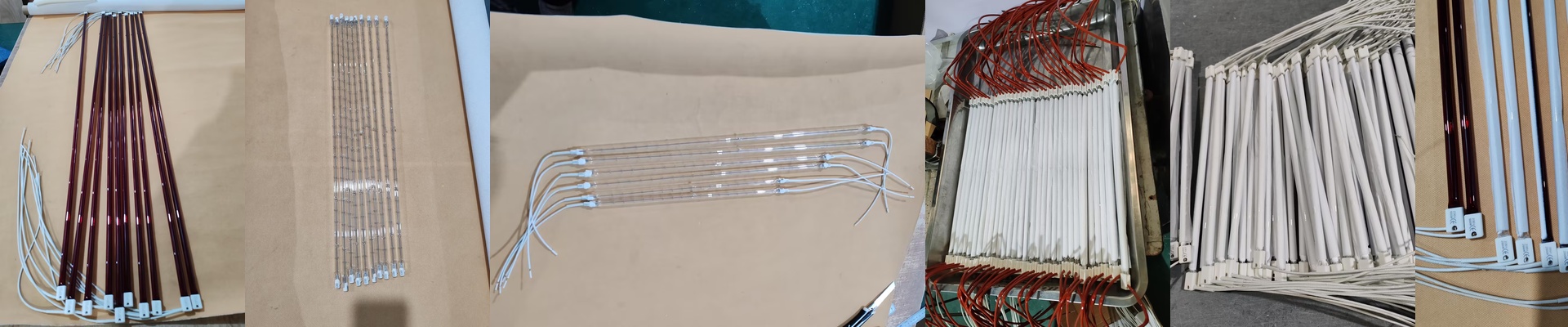
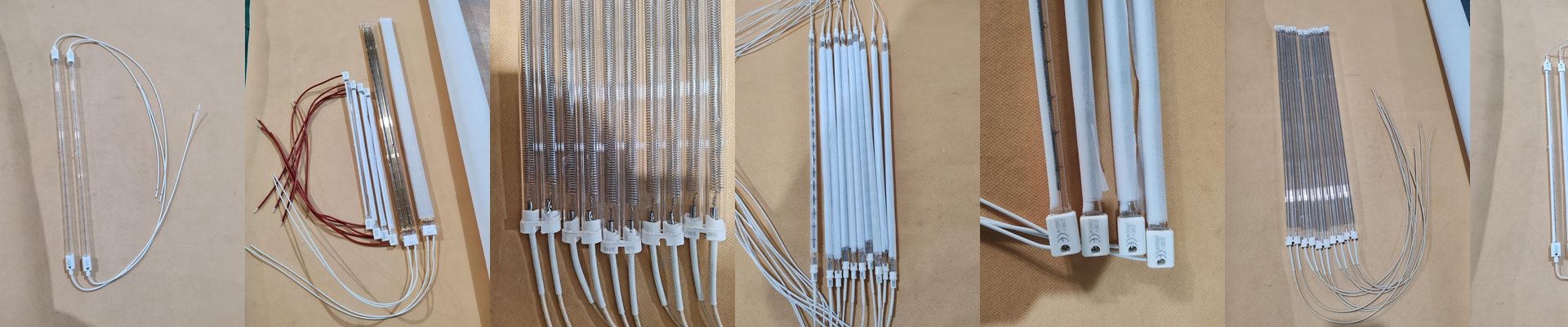
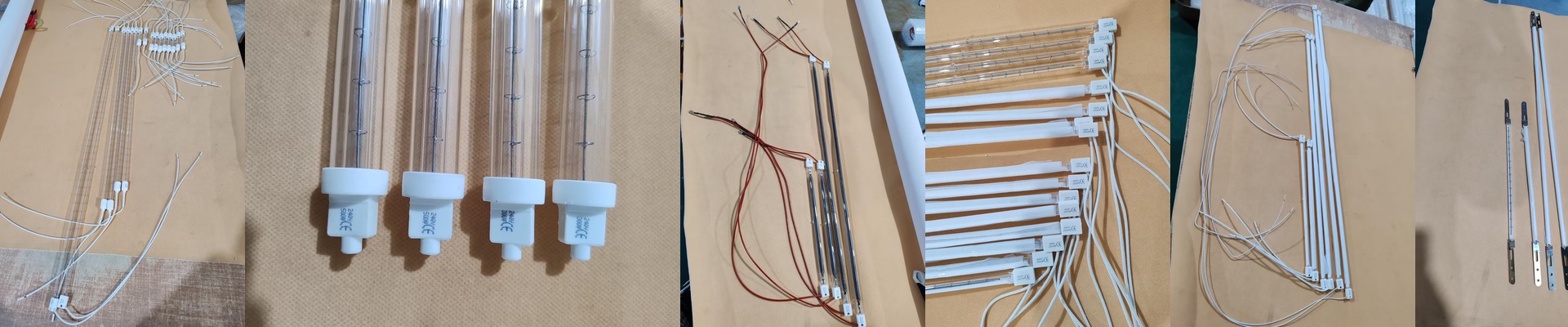
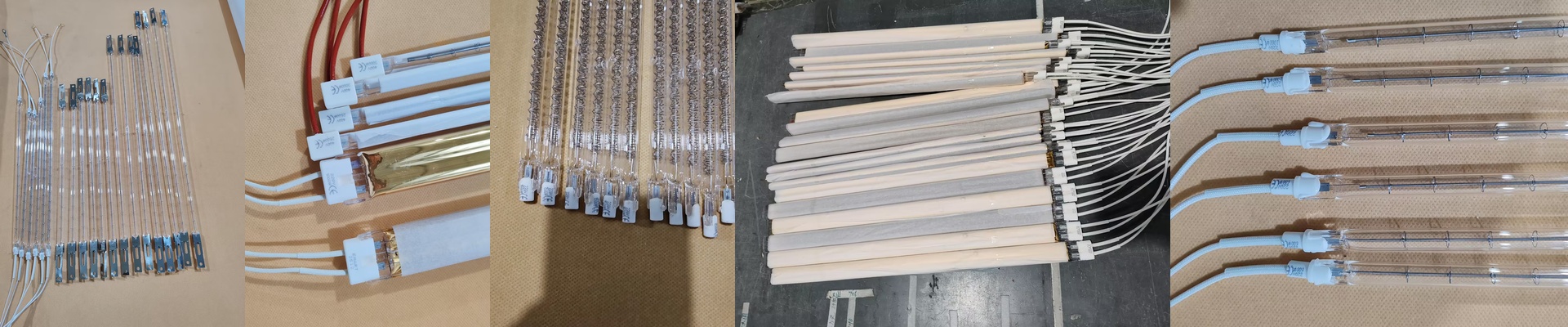
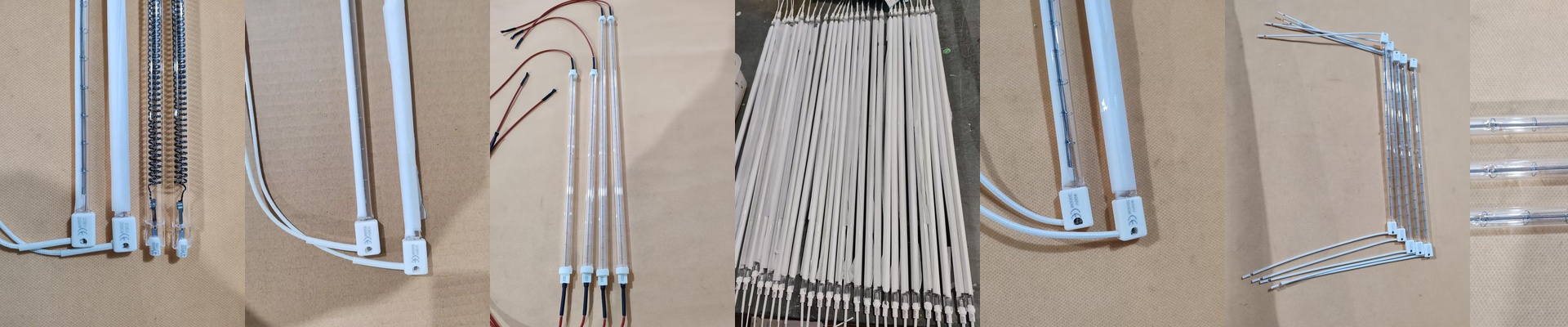
Let’s be honest: energy costs are a pain. In plastic fabrication, especially with PET blowing or thermoforming, your heating elements are where the money is either made or lost. I see it all the time. Shops run these generic lamps that just bleed heat into the room. You’re basically paying to heat the warehouse instead of the plastic. Switching to high-spec OEM infrared elements isn’t some fancy “upgrade” for the sake of it. It’s just about making sure your heat actually goes where it’s supposed to. Getting the voltage right Heating plastic is a bit of a balancing act. You need enough power to move fast, but not so much that you scorch the material. Take a 2500W tube. That kind of power gives you the quick ramp-up times you need for high-speed lines. But here’s the catch: you’ve got to match the voltage to your plant’s grid. If you plug a 400V tube into a system that can’t handle that load, it’s going to burn out. Period. When you get the heat density right, you can actually shrink your heating zone. That means less wasted space and faster cycles. The gear behind the heat We use quartz glass because it lets the infrared radiation through without fighting it. Depending on what you’re making, you might need a specific coating to shift the wavelength. This is the difference between the heat just hitting the surface of the plastic or actually soaking into it. And for the connectors? We stick to the basics like R7s or Sk15. They’re drop-in replacements. When a lamp dies, you just swap it out and keep moving. No one wants to spend their afternoon rewiring an entire oven. The one thing people forget Here’s the thing: high-output lamps put a lot of pressure on your reflectors. If your reflectors are dirty or pitted, the energy bounces right back into the tube. The glass overheats, and then it pops. You’ll get those energy savings, but only if you keep the reflectors polished and make sure your cooling fans can handle the extra heat. It’s a simple bit of maintenance, but it’s the difference between a lamp that lasts and one that fails a week early.