Introduction
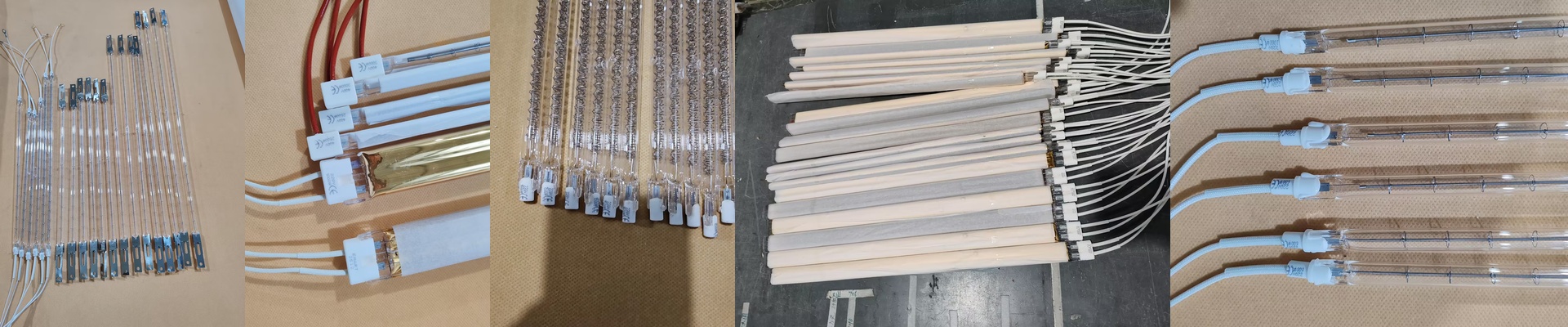
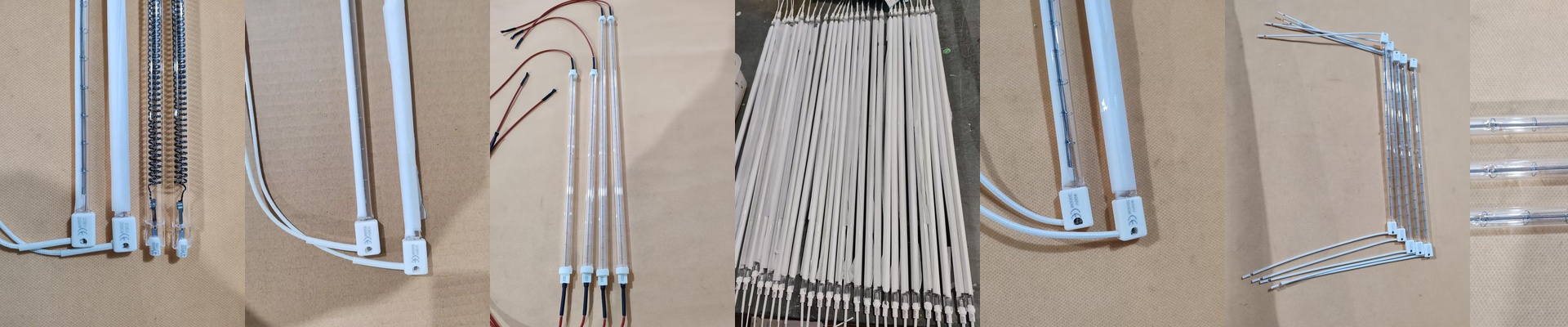
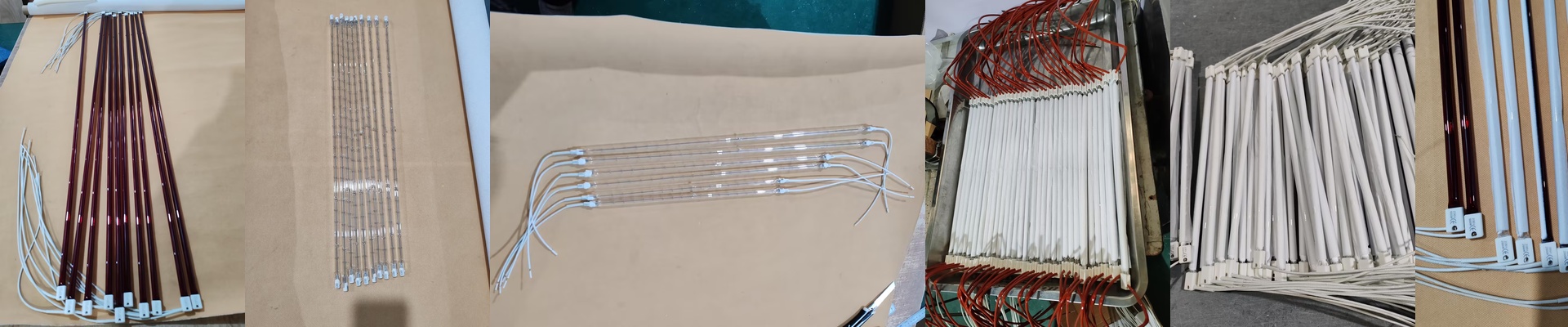
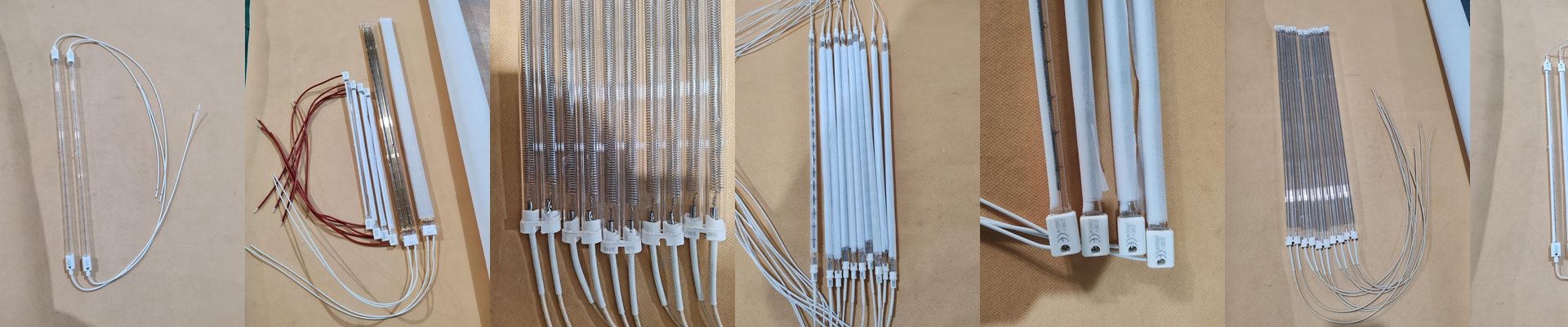
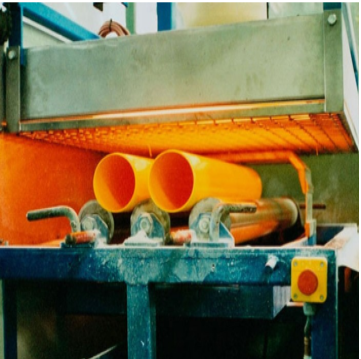
Let’s talk about annealing those high-performance parts made from PA66 or PEEK. When you’re working with these materials, heat control isn’t just important—it’s everything. Standard convection ovens? They drag things out and rarely hit the precise thermal profile these materials demand. We built our post-molding annealing heaters around shortwave infrared technology. It blasts the part with direct radiant energy, heating the surface instantly. The payoff? Shorter cycle times, better crystallinity, and no scorched substrate.
Power and Physical Specs: The Reality of Fast Heat
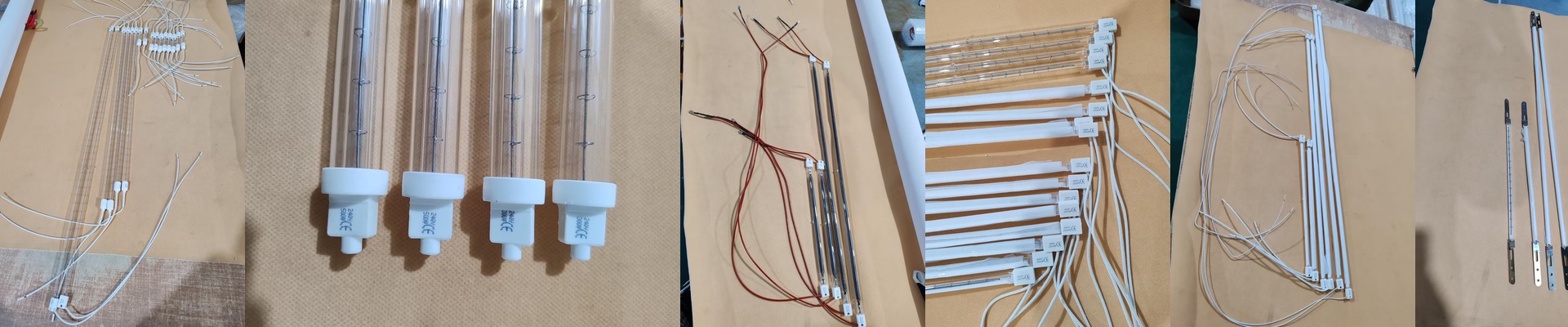
Infrared annealing needs serious heat density, and it needs it fast. So we run our heaters on a 400V electrical setup. That gives us the wattage we need packed into a compact footprint. The 300mm tube length is chosen to match the geometry of injection-molded parts, so the heat lands exactly where it should. No wasted energy. Just focused heat. But here’s the catch: that kind of power—400V, 2500W—throws off serious heat density. That means your machine’s cooling system has to be up to the task. It needs to keep the area around the heater and the surrounding components at the right temperature.
The Physics of Rapid Annealing: Material and Design
Inside, we use a halogen-filled quartz tube with a special coating that keeps output steady. That coating shields the element from thermal shock and chemical off-gassing, so it stays consistent through thousands of cycles. The shortwave infrared spectrum cuts right to the part surface, so you don’t have to soak the part for ages just to relieve internal stress. And the connectors? They’re chosen for real-world reliability. An R7s base gives you a secure, low-resistance connection that won’t loosen even after repeated heating and cooling. If your application needs extra mechanical grip and better heat resistance at the joint, we offer Sk15 terminals.
Efficiency Against Oven Cycles: What It Feels Like
Traditional oven annealing works by heating air and waiting for conduction to do its thing. It’s slow. It’s inefficient. With infrared, you’re heating the part directly. That usually means shorter cycle times compared to ovens. For PA66 and PEEK, that translates to faster stress relief, better dimensional stability, and a process that’s more consistent. And the best part? It’s a drop-in replacement. It wires up cleanly and slips right into your existing post-molding station. Less floor space. Lower energy use per part. And heat profiles you can count on, time after time.