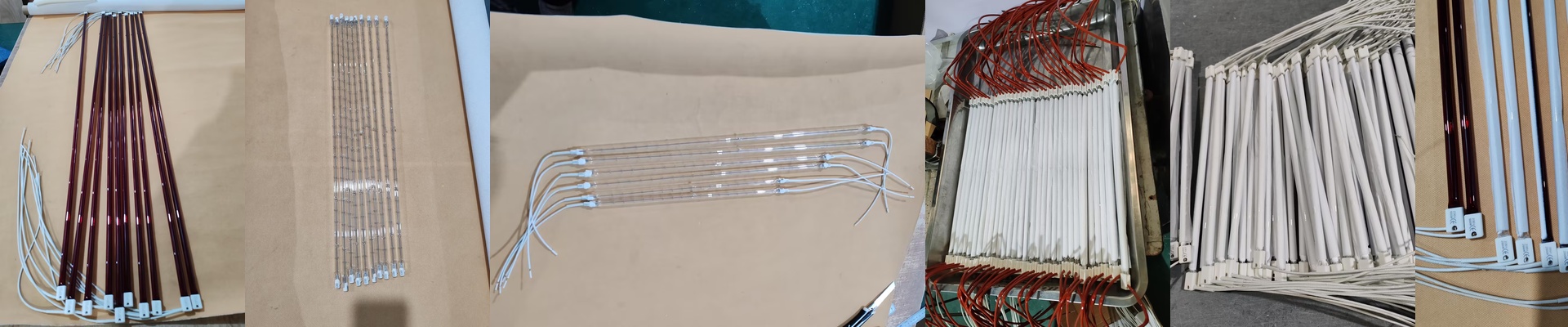
Let’s talk about buying industrial IR lamps
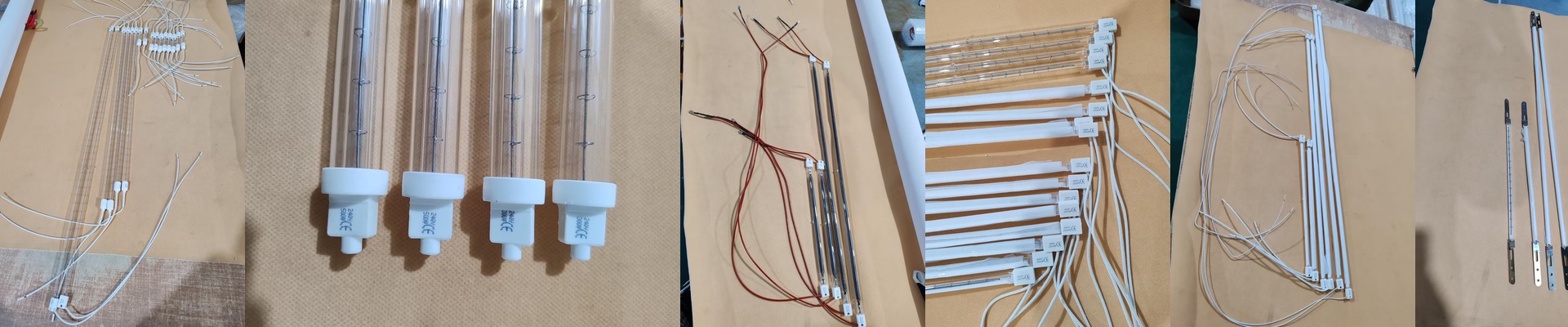
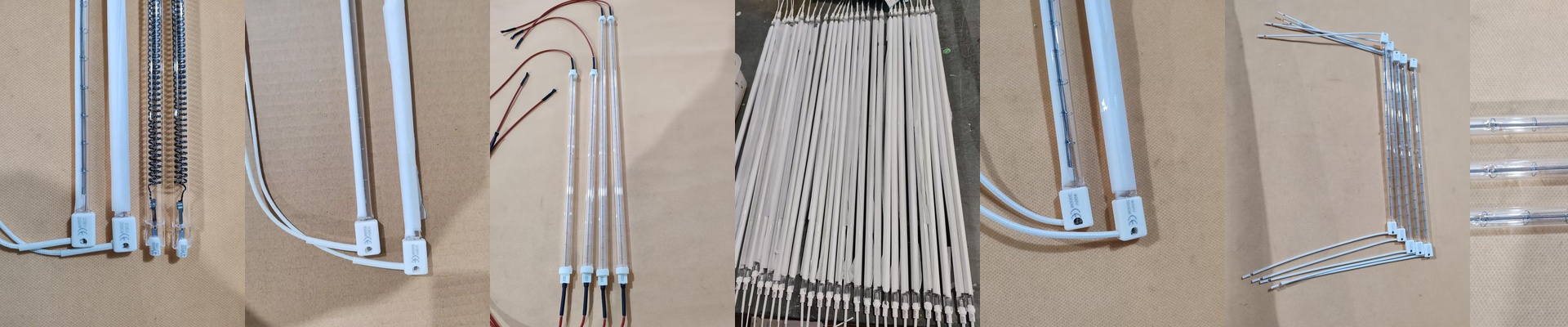
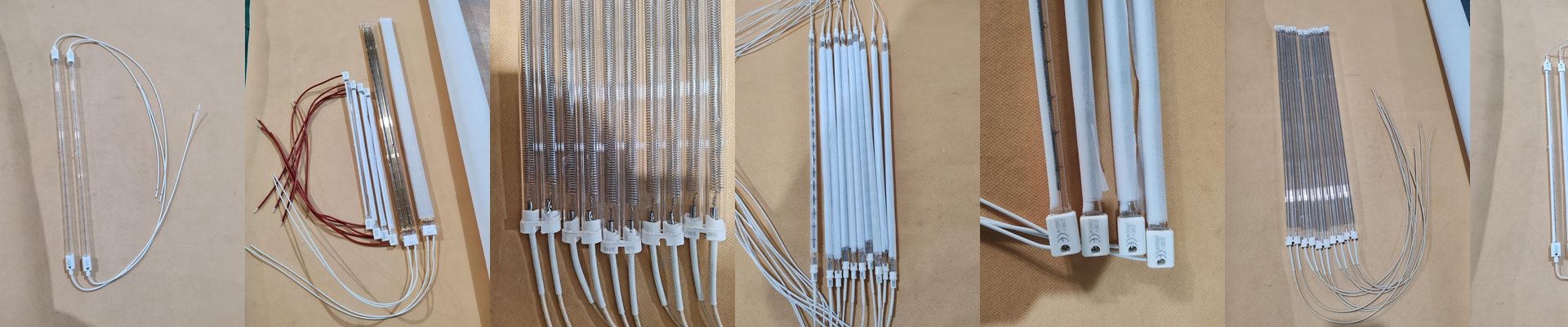
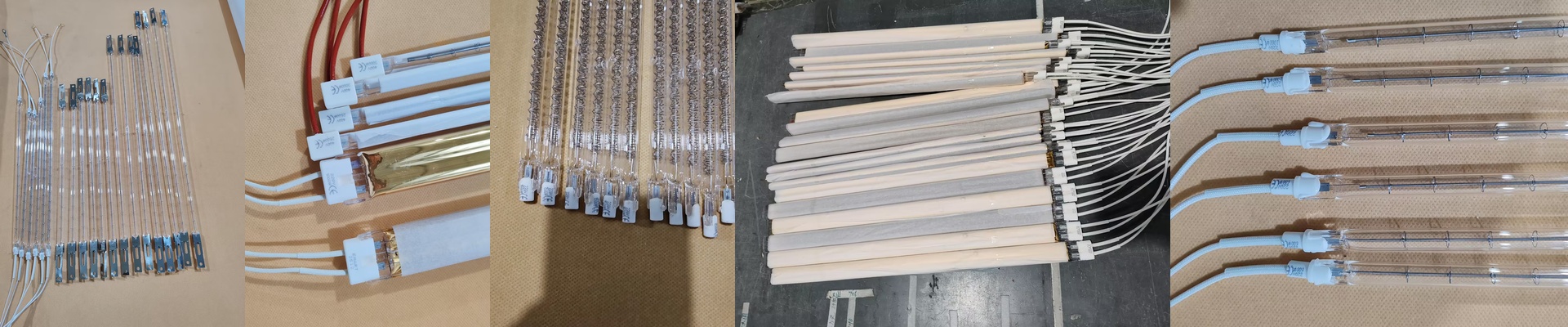
Look, if you’re buying infrared lamps in bulk, a datasheet is just a piece of paper. It doesn’t tell you how a tube is actually going to behave when it’s hammered by thermal loads on a live production line. That’s why we do things differently. We’re all about “test first, buy later.” Spec sheets don’t know your airflow. They don’t know how thick your materials are. Your shop floor does. The deal with voltage and power If you need things to heat up fast, you’re looking at high-wattage shortwave lamps. Running a 400V system gives you more punch per millimeter of tube, which is great because it lets you keep your oven footprint small. But there’s a catch. When you cram that much power into a small quartz envelope, you’re playing with fire—literally. If your voltage jumps around, those tubes can burn out fast. You’ll want to make sure your SCR controllers are dialed in perfectly so you don’t overshoot and fry your equipment. Quartz and the bits that connect We use heavy-wall quartz. Why? Because we don’t want your tubes bowing or warping when things get scorching. As for the connectors, we stick with R7s or SK15s. They just slide right into most standard housings without a fight. Now, if you’re worried about your machinery overheating while your workpiece stays cold, we can do coated tubes. It shifts the heat spectrum so the energy actually hits the product instead of just warming up the air around it. Proof is in the pudding Honestly? Just try them. Put one of our lamps in a slot and keep your current supplier’s lamp in the one next to it. Watch them both. Check the ramp-up time. See if the surface temperature is actually even. If our lamps don’t hit your target temp in the time you need, they aren’t the right tool for the job. Simple as that. We’d rather the hardware prove itself on your floor before you ever sign a wholesale contract.