Stop Treating Your Heating Lamps Like Lightbulbs
Most plastic processing plants treat their heating lamps as basic consumables. You buy them, you plug them in, and when they pop, you replace them. But if you’re running high-volume PET blowing or extrusion lines, that mindset is costing you money. The gap between a “generic” lamp and a system actually tuned for your machine shows up in two places: your electricity bill and your scrap pile.
Getting the heat where it actually belongs
Here’s the thing about heat: you don’t just want “hot.” You want the heat to soak into the polymer without scorching the surface. We focus on hitting specific wavelength targets to make that happen. For instance, by switching to a high-voltage 400V setup, we can cram more heat density into every millimeter of the tube. What does that mean for you? It means you can either shorten your heating tunnel or use fewer lamps to hit that glass transition temperature. It’s a win. You stop paying to heat the air around the machine and start putting that energy directly into the material. Plus, your ramp-up times get way faster.
The gear that makes it work
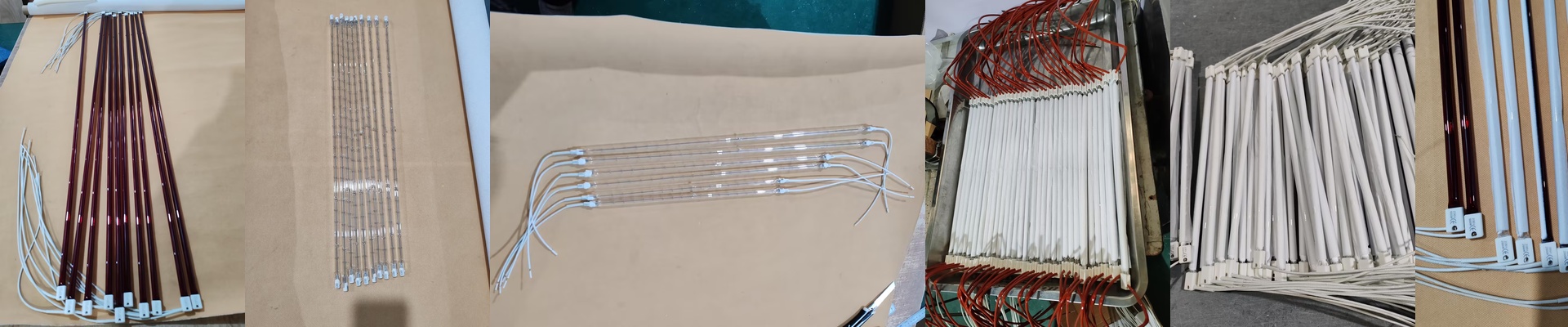
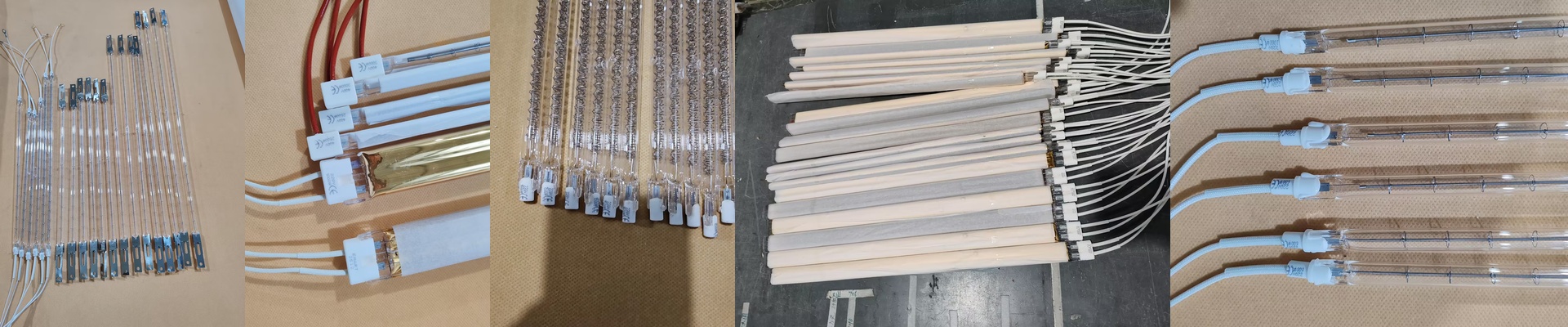
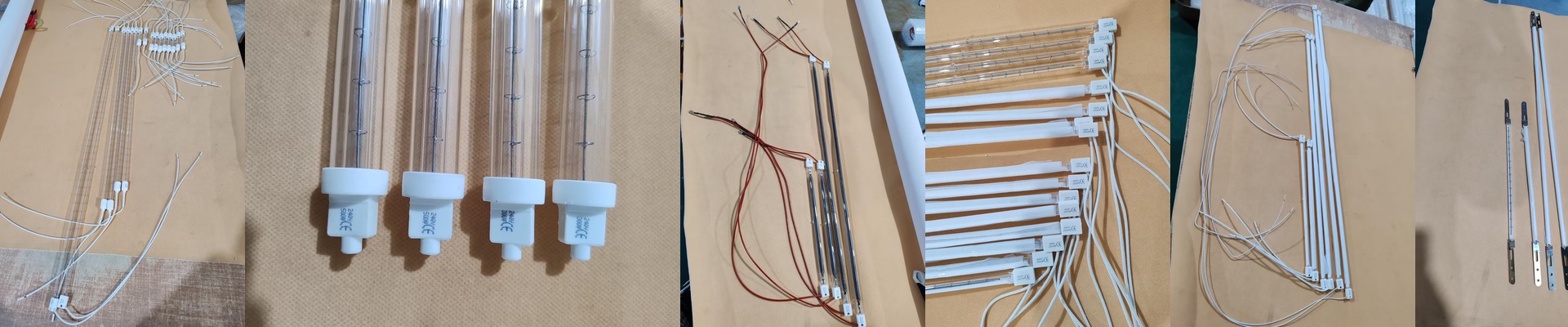
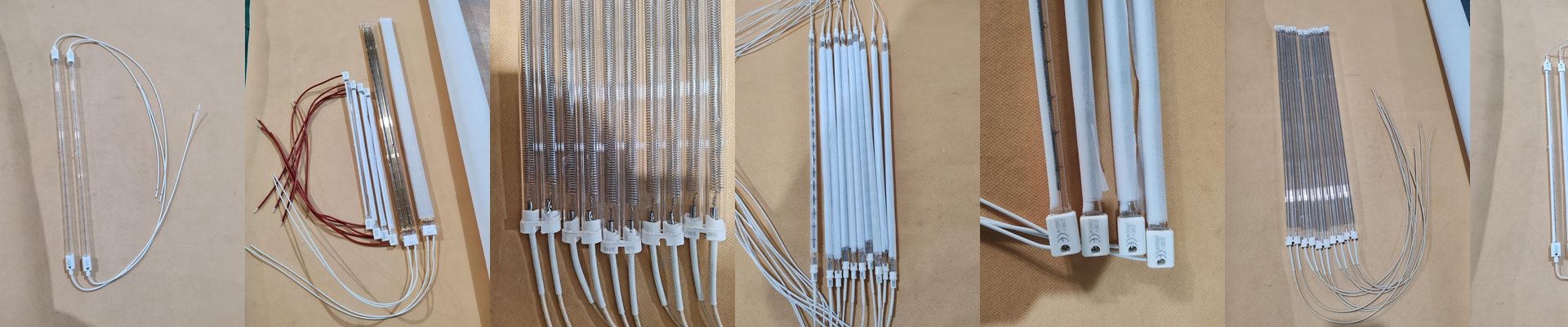
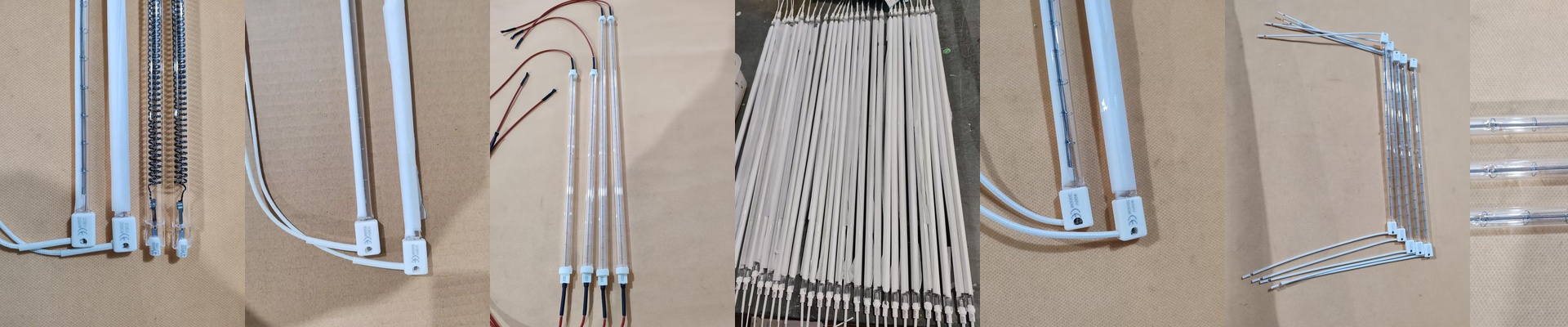
We use quartz glass with special coatings to shift the emission spectrum. Think of it like a mirror—the coating pushes the heat forward so it doesn’t leak back into your machine frame. Then there’s the hardware. We use R7s or Sk15 connectors depending on your wiring. It sounds like a small detail, but a tight electrical contact is the only thing stopping your system from arcing or burning out when the heat cycles up and down all day.
The catch (because there’s always one)
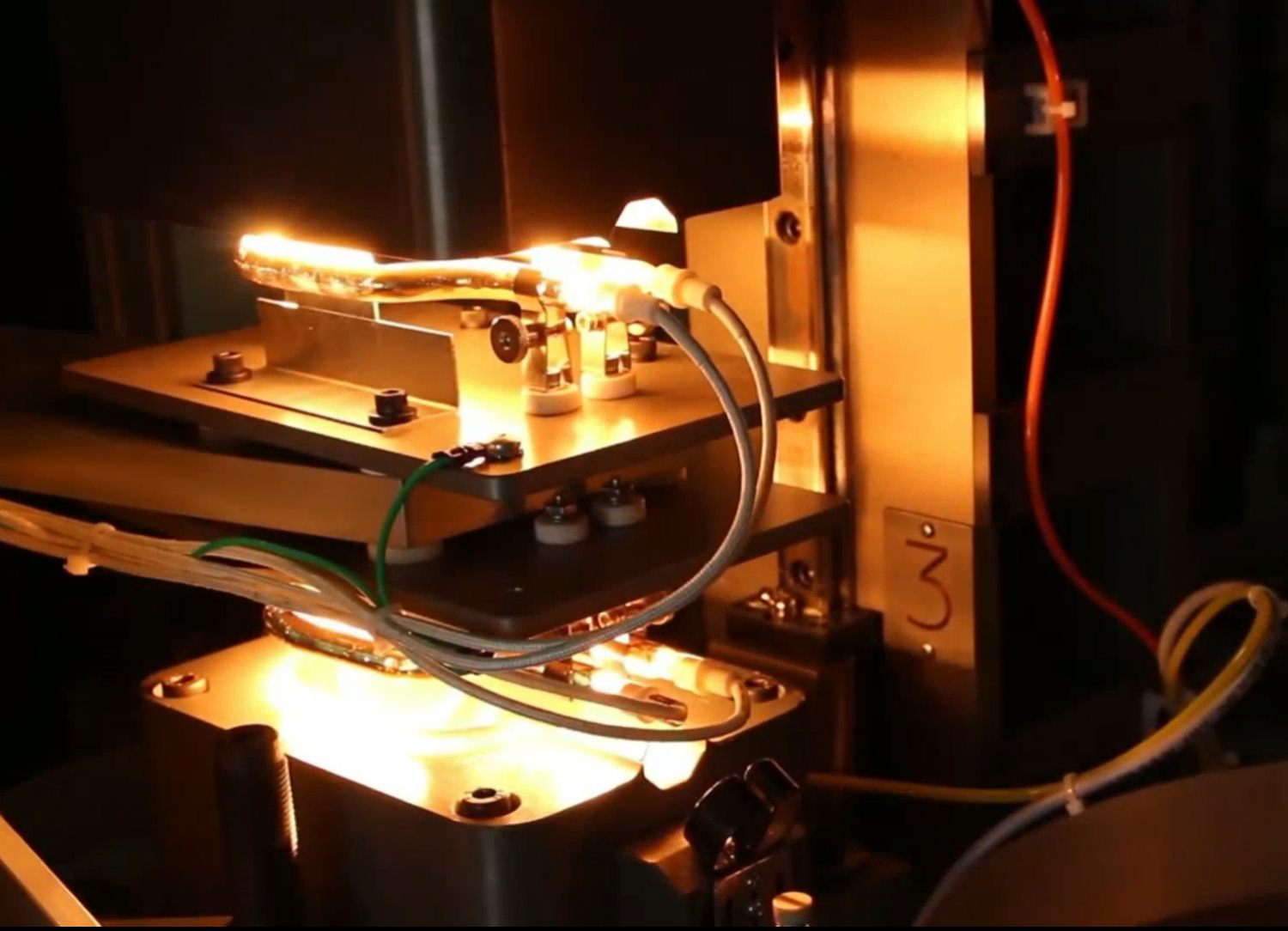
You can’t just jam a high-output lamp into a cheap housing and call it a day. When you’re pushing 2500W through a compact tube, things get intense. Your reflectors and housing have to take that load. If your cooling fans and ventilation aren’t up to the task, your fancy new lamps are just going to burn out early. It’s worth the effort, though. Precision heating cuts your cycle times down. When energy prices spike, that’s how you keep your margins from disappearing.