Halogen Heating Lamps: Power, Configuration, and Industrial Heat Delivery
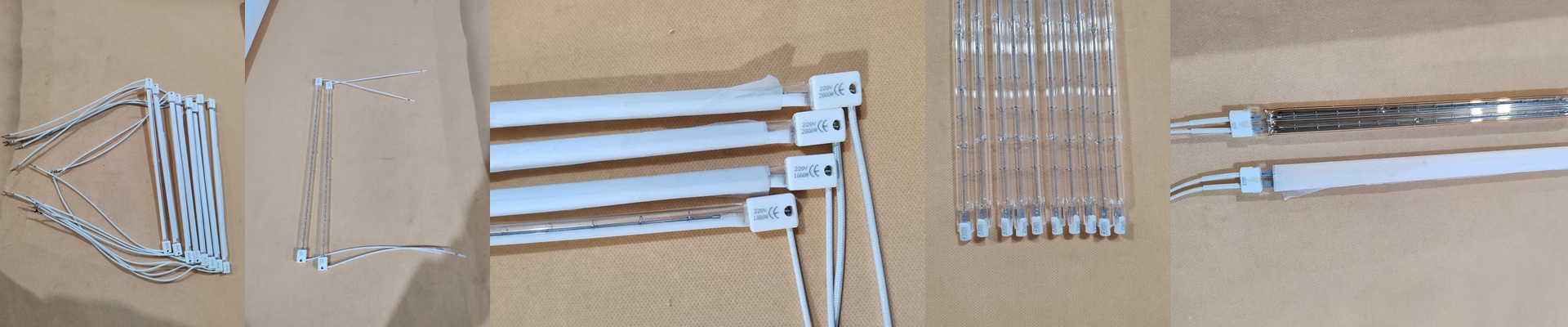
Halogen heating lamps are compact infrared emitters engineered for industrial spot heating, process drying, and material curing. They are not ambient space heaters. They are direct-line-of-sight tools that dump concentrated energy onto a target to raise temperature fast. When you need heat in a tight footprint and quick response, a halogen heat lamp is a proven way to spec the job.
Technical Deep-Dive: Power, Voltage, and Dimensions
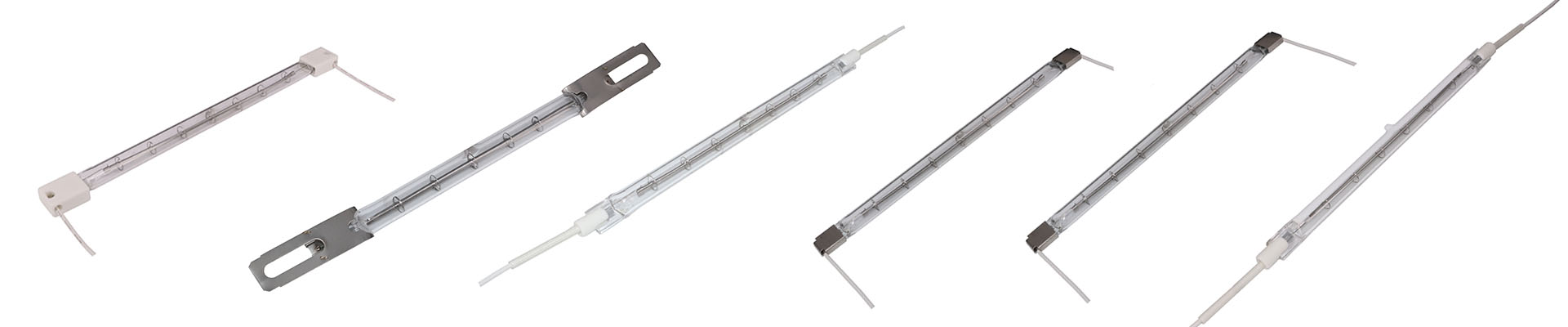
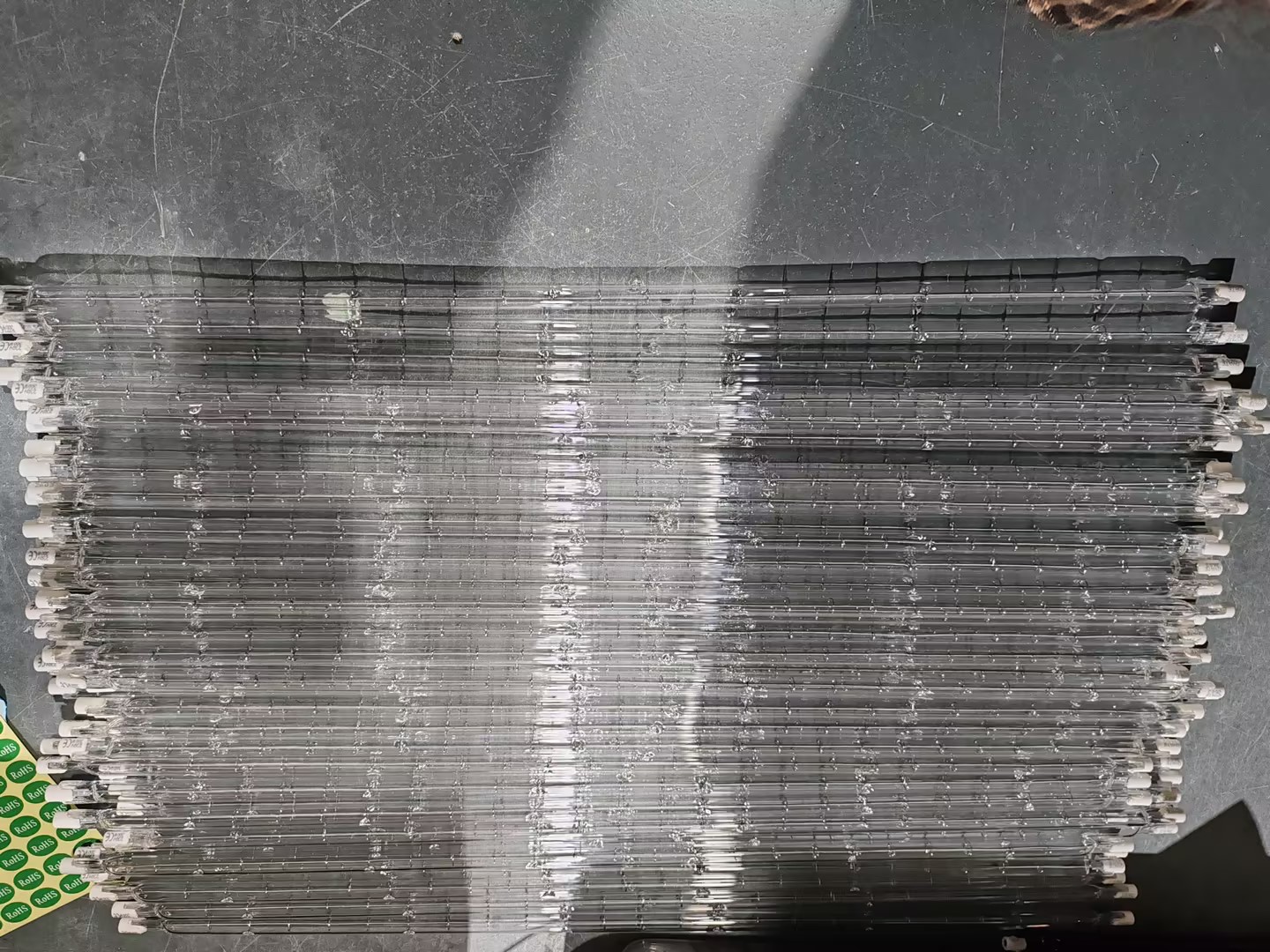
Halogen heating lamps are built around a quartz envelope that houses a tungsten filament and a halogen gas fill. The output is primarily infrared, with visible light present. The core performance parameters come down to wattage, voltage, and physical size. A typical unit can be rated at 2500W, with voltage options such as 230V or 400V. The 400V variant is common in three-phase industrial plants. Running a 2500W lamp on 400V reduces current draw compared to a 230V circuit. That lower current means smaller wiring, smaller switches, and less voltage drop across long runs. It also keeps the thermal load in the control panel manageable. The lamp length is often around 300mm. This compact length lets you fit the heat source into tight spots—over a conveyor, inside a guarded station, or alongside moving web material. The short tube concentrates the optical path, which helps focus the energy where you aim it.
Material and Design: Halogen Cycle, Coating, and Connectors
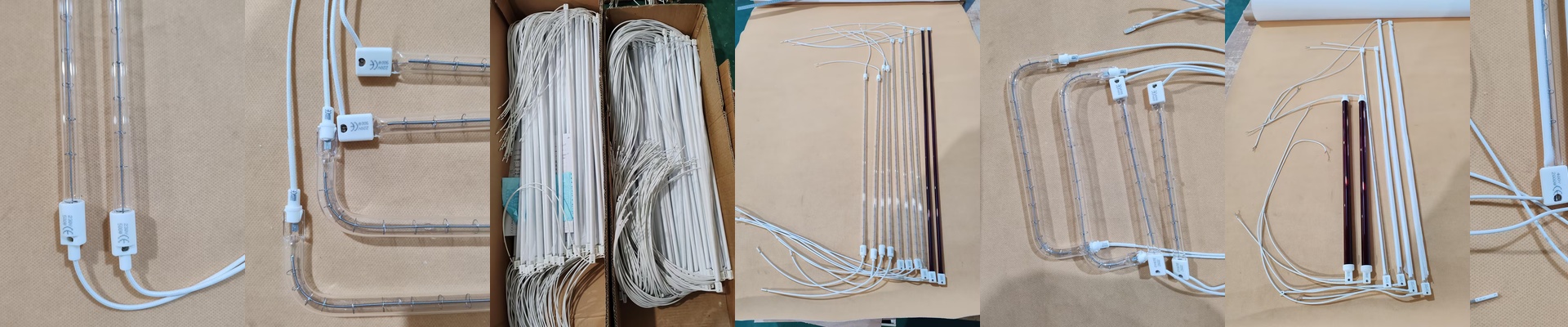
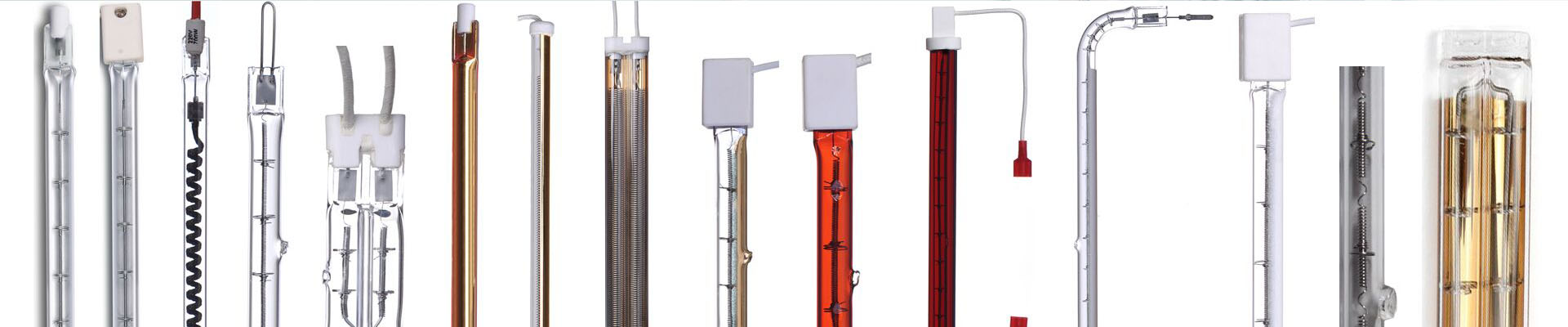
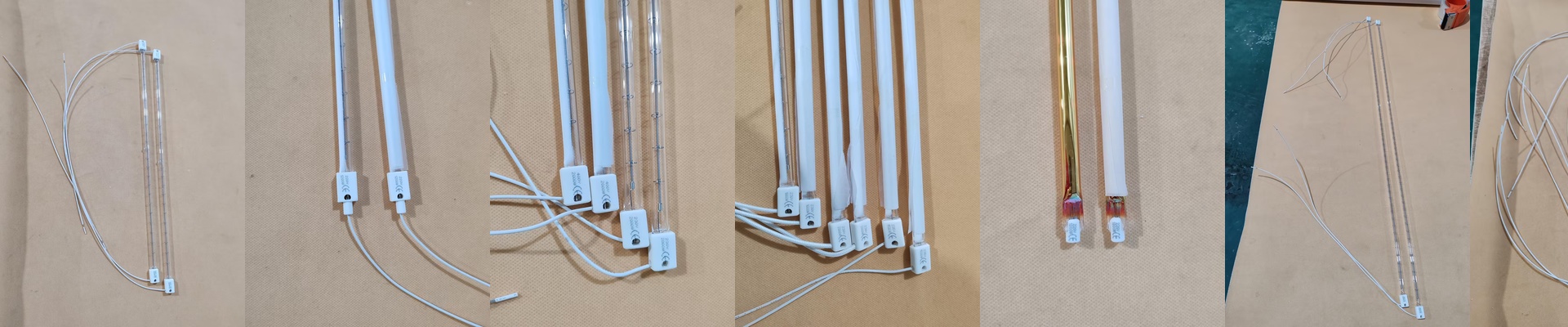
The halogen cycle is the key to stable output and long life. As the filament burns, tungsten evaporates and combines with the halogen gas. The compound circulates and redeposits tungsten back onto the filament. This process keeps the bulb clear and maintains consistent resistance over time. Without it, the lamp would blacken and burn out fast. The quartz envelope tolerates high temperatures and rapid thermal cycling. It also transmits infrared efficiently. Many lamps use an internal reflector or a gold coating on part of the envelope to direct more energy forward and cut wasted side radiation. That coating boosts the power density delivered to the target and reduces the heat load on surrounding components. Mounting and wiring are handled through standard connectors such as R7s. R7s is a double-ended linear connector that provides solid contact and handles the lamp’s operating temperature. It gives you a straightforward, drop-in installation with no custom bracketry. For certain industrial setups, you may also see SK15 or other high-temperature ceramic connectors. These options hold up under vibration and repeated thermal shock, which matters on a running machine.
Application and Benefits: Where This Configuration Earns Its Keep
Halogen heat lamps shine when you need fast response and localized heat. Common applications include plastic welding, pre-heating before forming, adhesive curing, and drying of coatings or inks. The 2500W rating delivers high heat density, so you can hit target temperatures quickly without heating the entire line. The 300mm form factor keeps the footprint small, which simplifies integration into existing cells. With an R7s interface, swapping lamps is fast. Downtime drops because you can replace the emitter without reworking the mount. The trade-off is straightforward. High power density means high surface temperatures and high infrared intensity. You must provide proper shielding, interlocks, and cooling for nearby components. The lamp is line-of-sight; if the target is blocked, the energy reflects or soaks into the machine frame. Plan the guarding and airflow, and the lamp runs reliably. We design these lamps to be tough, repeatable workhorses. If you need a compact heat source that wires up clean and delivers predictable output, a halogen heating lamp with the right voltage and connector is a practical choice.
Application and Benefits: Where This Configuration Earns Its Keep
Halogen heat lamps shine when you need fast response and localized heat. Common applications include plastic welding, pre-heating before forming, adhesive curing, and drying of coatings or inks. The 2500W rating delivers high heat density, so you can hit target temperatures quickly without heating the entire line. The 300mm form factor keeps the footprint small, which simplifies integration into existing cells. With an R7s interface, swapping lamps is fast. Downtime drops because you can replace the emitter without reworking the mount. The trade-off is straightforward. High power density means high surface temperatures and high infrared intensity. You must provide proper shielding, interlocks, and cooling for nearby components. The lamp is line-of-sight; if the target is blocked, the energy reflects or soaks into the machine frame. Plan the guarding and airflow, and the lamp runs reliably. We design these lamps to be tough, repeatable workhorses. If you need a compact heat source that wires up clean and delivers predictable output, a halogen heating lamp with the right voltage and connector is a practical choice.