Can you really cut power bills by 20% just by swapping out your heating elements?
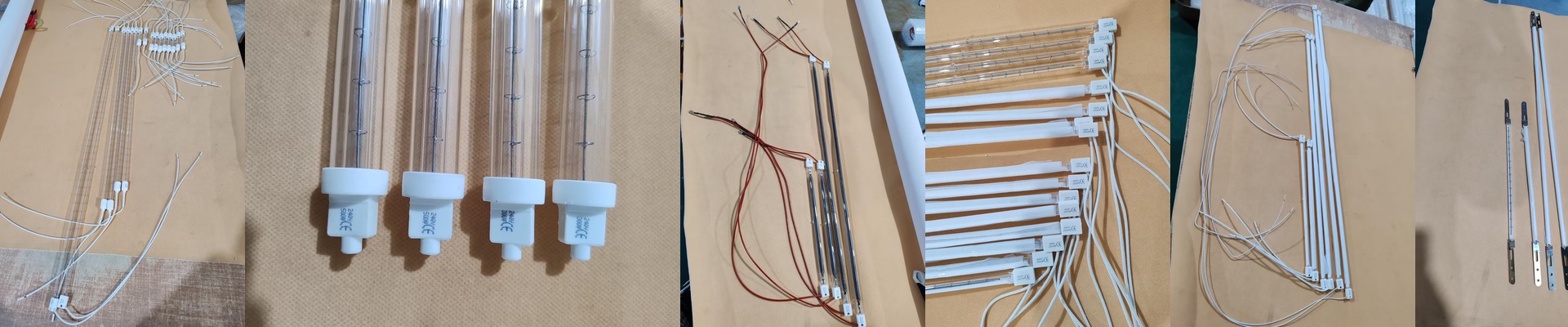
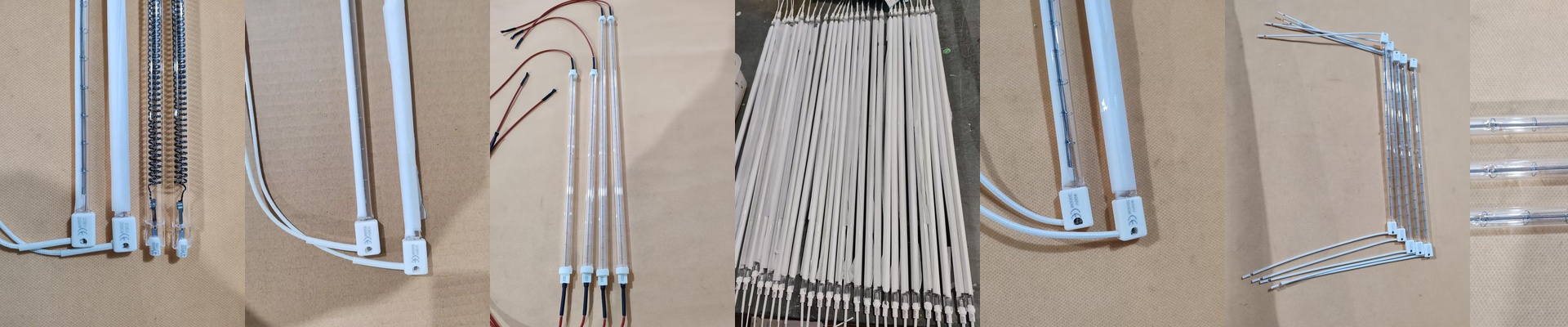
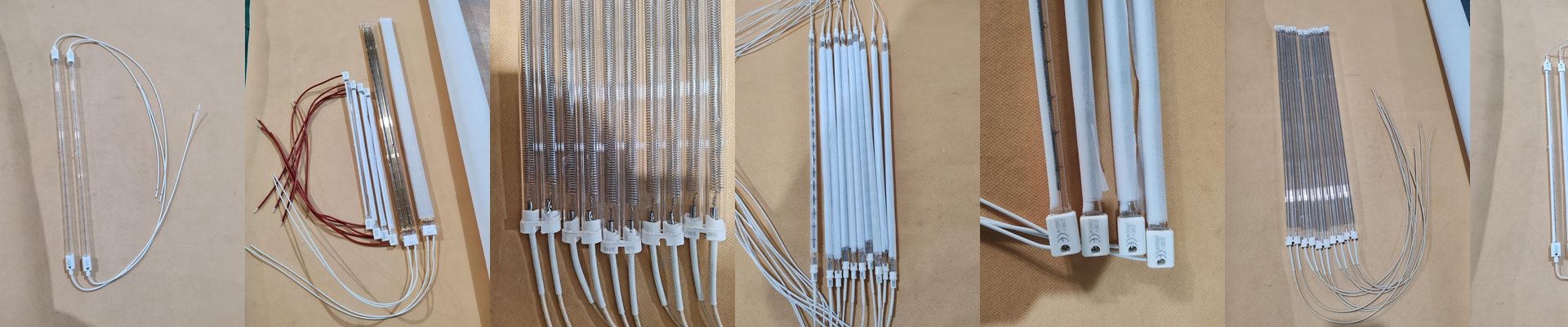
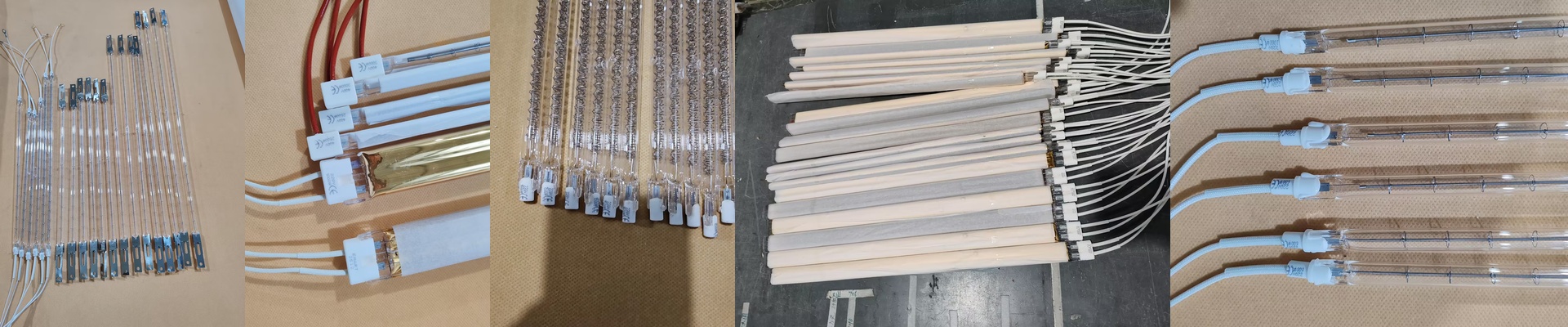
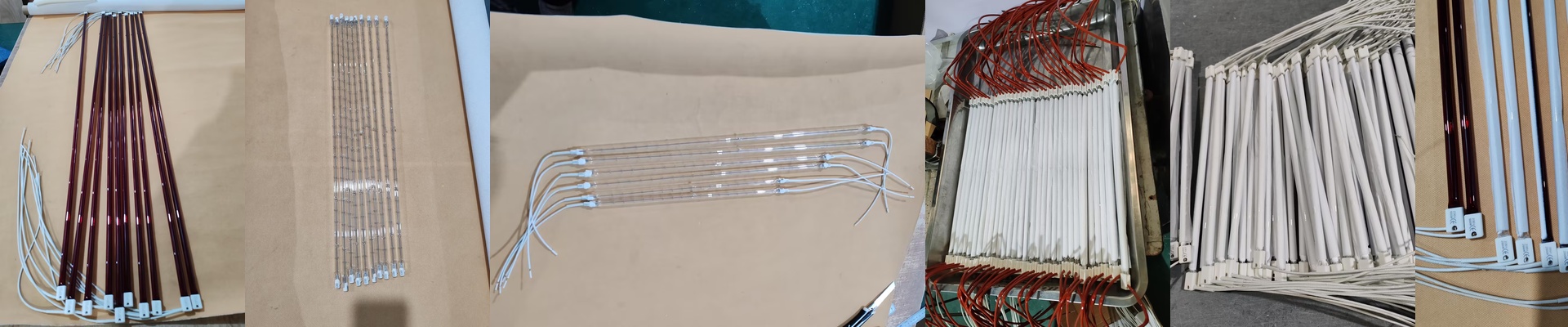
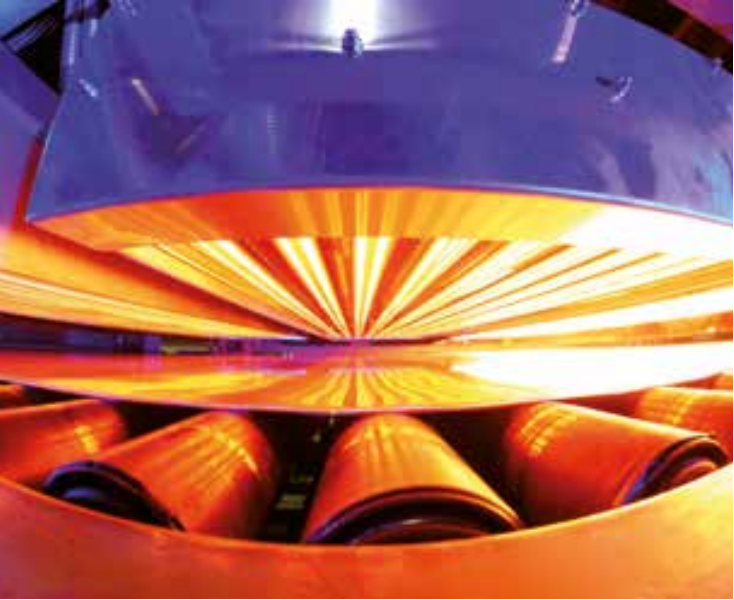
If you’re running an older plastic processing line, you probably know the feeling. You look at those old drying tunnels and just know they’re bleeding energy. It’s like leaving a window open in the middle of winter. The big question we always get is: “Can I actually hit a 20% energy saving just by swapping a few parts, or is that just marketing talk?” The honest answer? It depends on how well the heat actually “talks” to your specific plastic resin. The trick is in the physics Most old tunnels use resistive heating or cheap IR tubes. The problem is they spend half their time heating up the air inside the tunnel instead of the actual product. It’s a waste. We swap those out for high-output quartz heaters. These focus the energy into short-wave or medium-wave bands. Instead of warming up the whole room, the heat punches straight through to the plastic. You stop fighting the air and start heating the material. The “Gotchas” of retrofitting Now, I won’t tell you it’s just “plug and play.” That’s rarely the case in the real world. If we put in a higher-wattage quartz tube to speed up your production, your old wiring and contactors might start sweating. You’ve got to keep a close eye on the amp draw. And here’s something engineers often forget: the tunnel chassis itself. When you increase the heat density, the outside of the machine can get pretty hot. You’ll want to double-check your insulation and airflow so you don’t accidentally trip a safety sensor and shut everything down. The bottom line (and the money) From a shop-floor perspective, this is a win because you don’t have to tear the whole tunnel apart. You keep the same footprint, which means you aren’t losing valuable floor space or spending weeks in downtime. Because it’s a straightforward energy save, these projects are usually perfect for green finance or government subsidies. At the end of the day, we don’t care about theoretical lab data or fancy charts. We care about what the meter actually says at the end of the month. Less kWh per kilo of plastic means more money stays in your pocket. Simple as that.