Why Buying Your Quartz Heaters Straight From the Factory Just Makes Sense
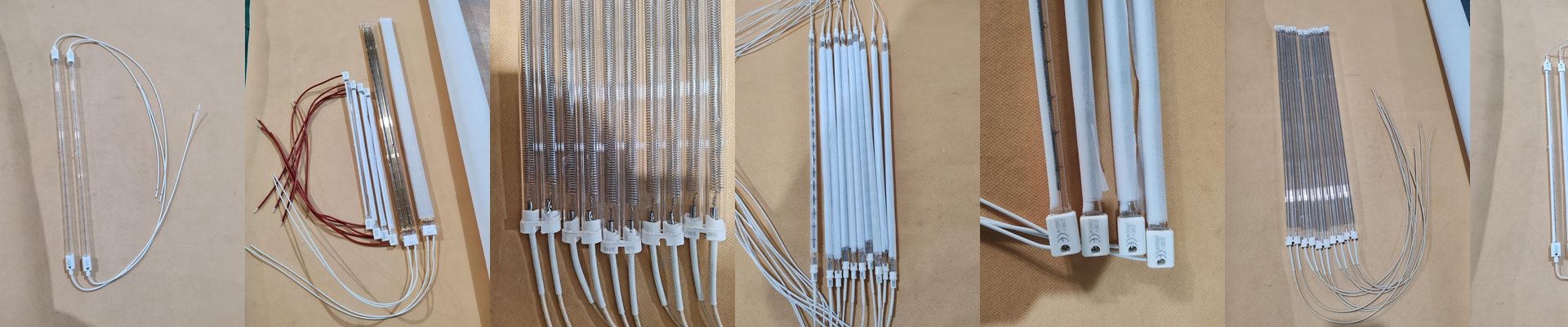
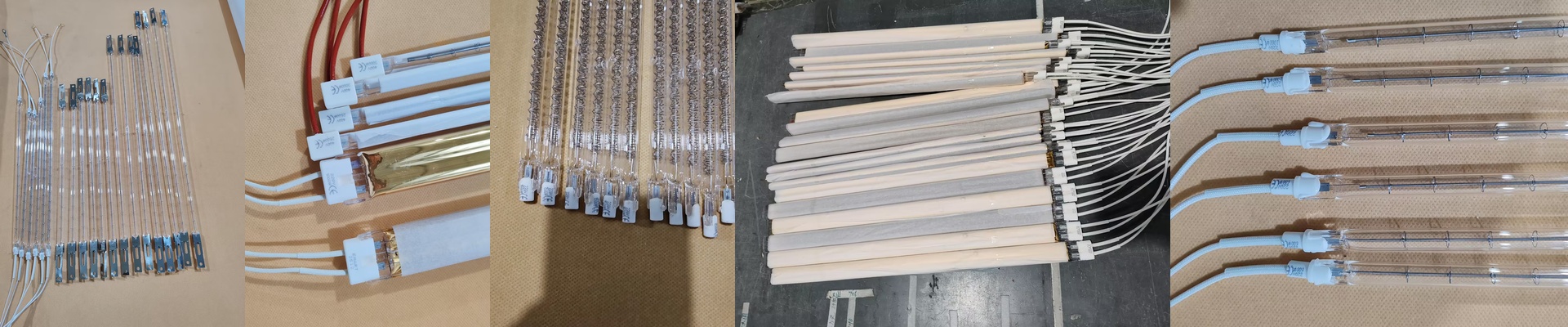
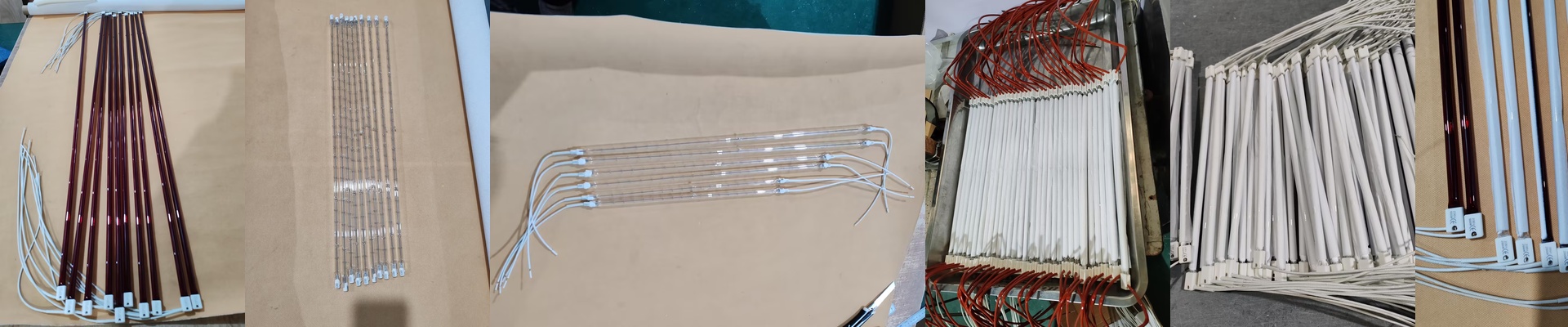
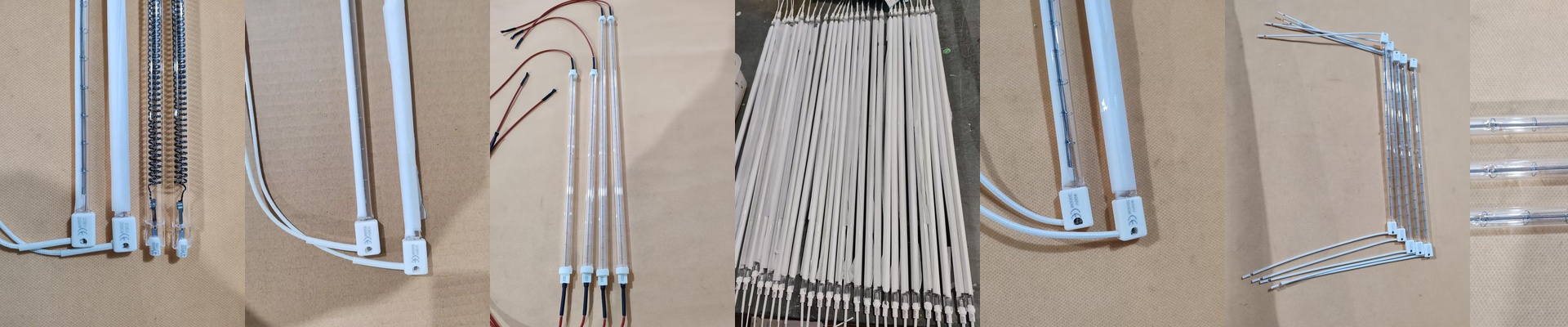
Let’s be honest: industrial heating is usually boring until something breaks. When it does, you need a workhorse. That’s where our quartz heaters come in. We build these for the tough jobs—the kind of high-intensity heat that would just fry a standard resistive wire. The best part? You’re talking to us. No middlemen, no trading companies, and no “sales reps” who don’t know a filament from a fuse. You get a direct line to the engineers who actually pick the tungsten and shape the quartz.
Getting the Power Right
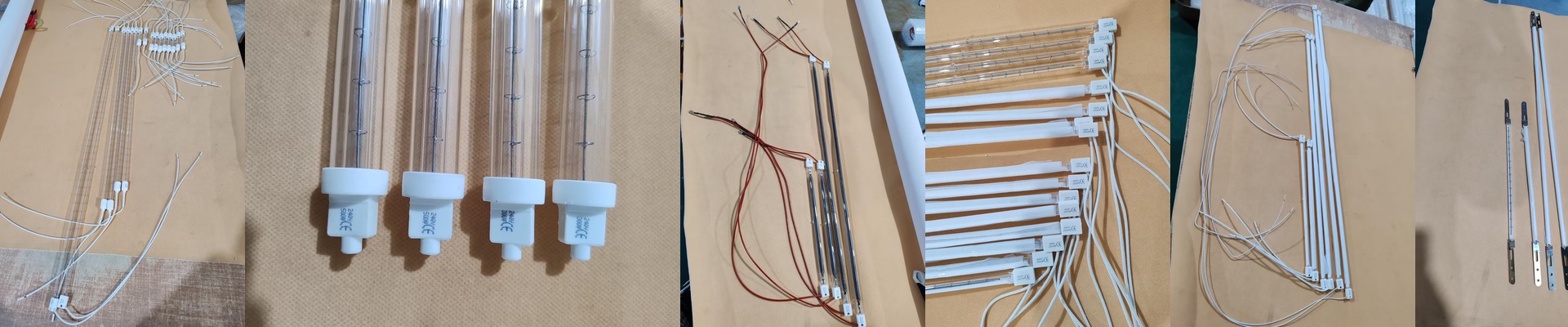
We don’t believe in “one size fits all.” We build your tubes to your exact wattage and voltage. Take a 400V setup, for example. Going high-voltage lets you use a longer tube without overloading your wiring. It keeps things stable. And if you need a fast ramp-up, we crank up the wattage per centimeter. You get the heat exactly where you need it, fast. One quick tip: if you’re packing a ton of power into a small space,**make sure your housing is vented.**If it’s not, you’re just asking for your sockets to burn out early.
The Science (Without the Boring Part)
We use high-purity quartz glass because it lets the infrared light through without fighting it. If your project needs a specific wavelength, we add halogen gas into the mix. It basically pushes the tungsten back onto the filament, which means your lamp lasts a lot longer. Depending on what you’re heating, we can also add different coatings to shift the emission from shortwave to medium-wave. It’s all about hitting your target material just right. And because we know the connection point is usually where things go wrong, we stick to standard R7s or Sk15 bases. They just slide right into your existing rigs. No custom adapters, no headaches—just wire them up and get back to work.
The Bottom Line
Whether you’re running PET blowing machines or long drying lines, your real cost isn’t the price of the bulb—it’s how often you have to replace it. By cutting out the markup layers of a distributor, you’re only paying for the raw quartz, the tungsten, and the actual labor. It keeps your overhead low and leaves more money in your pocket for every unit you ship.