Swapping Out Those 2000W Halogens for LEDs
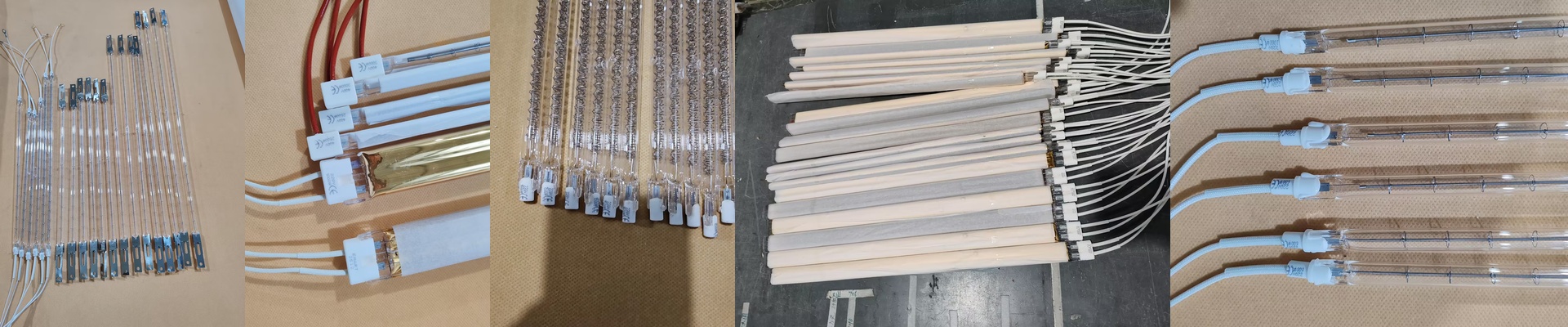
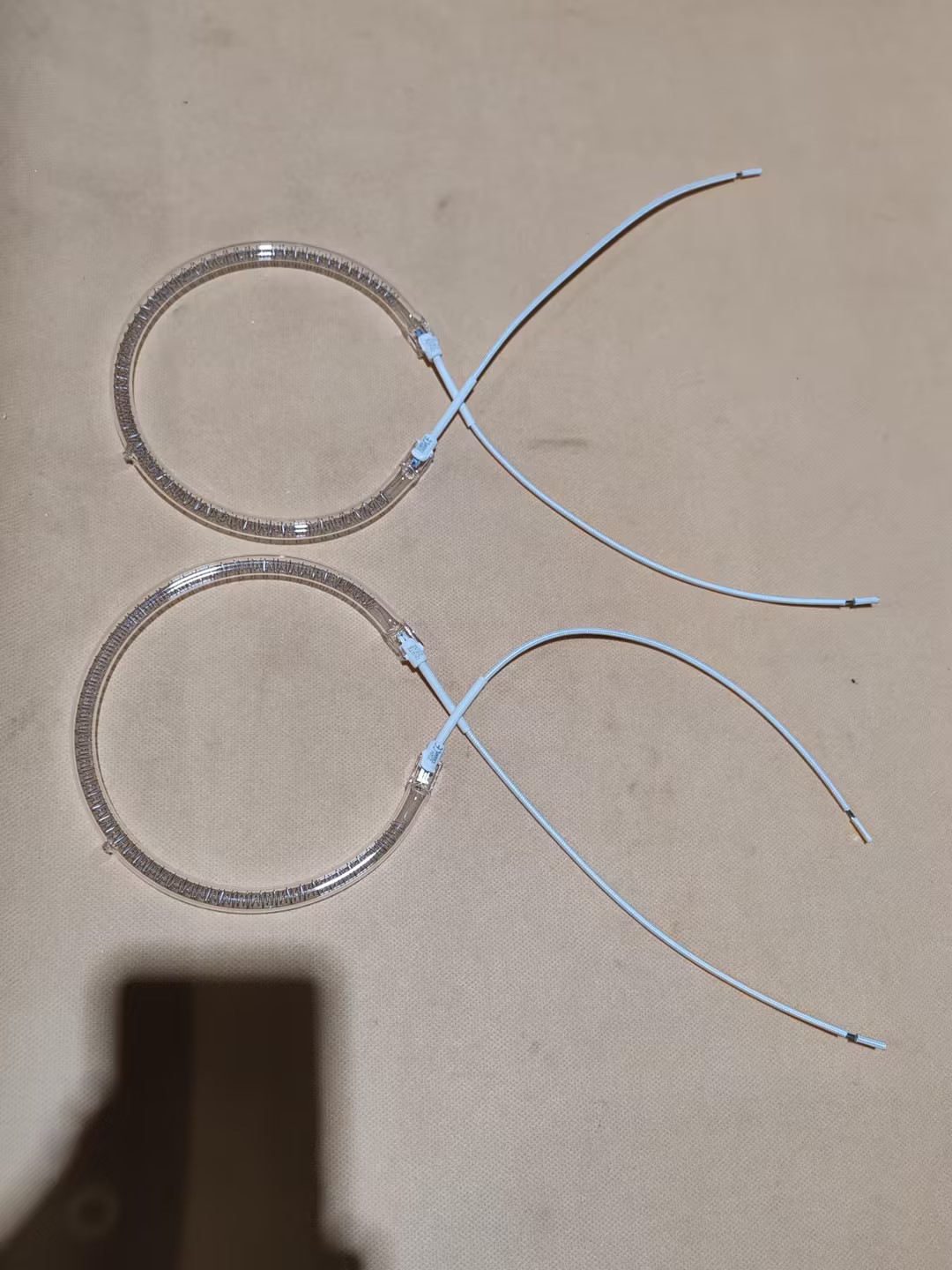
Let’s be honest: 2000W halogen lamps are basically space heaters that happen to give off some light. They work by getting a tungsten filament screamingly hot, which means most of the energy you’re paying for ends up as infrared heat instead of actual brightness. If you’re running these in an industrial setup, you know the drill. Everything around them gets roasting. You end up cranking the HVAC or spending a fortune on cooling systems just to keep the room breathable. The heat factor When you make the switch to LED, you aren’t just swapping a bulb. You’re changing how your machine breathes. Instead of blasting heat forward into your workspace, LEDs move that thermal load back into a heat sink. You’ll notice the air around the lamp housing feels way cooler. It’s a relief. Plus, you don’t have to worry about nearby plastic parts warping or wire insulation getting brittle and cracking over time. Will it actually fit? Most of these big halogens use those standard R7s linear bases. To make the switch easy, the new LED needs to be a mirror image in terms of size. We look closely at the physical length and the connector pitch so you aren’t fighting with the hardware. If the LED has a built-in driver, you just pop it in the socket and you’re done. If it uses an external driver, you’ll just need to wire it in between your power source and the lamp. Simple enough. The one big catch Here’s the thing: you have to check what your process actually needs before you pull the trigger. Halogens dump a ton of IR radiation. If your workflow relies on that heat—maybe you’re pre-heating a surface or drying something—an LED is going to let you down. LEDs give you great light, but they don’t give you heat. So, if you just need to see what you’re doing? Go LED. It’s a no-brainer. But if the heat is actually part of the job, stick with the halogen.