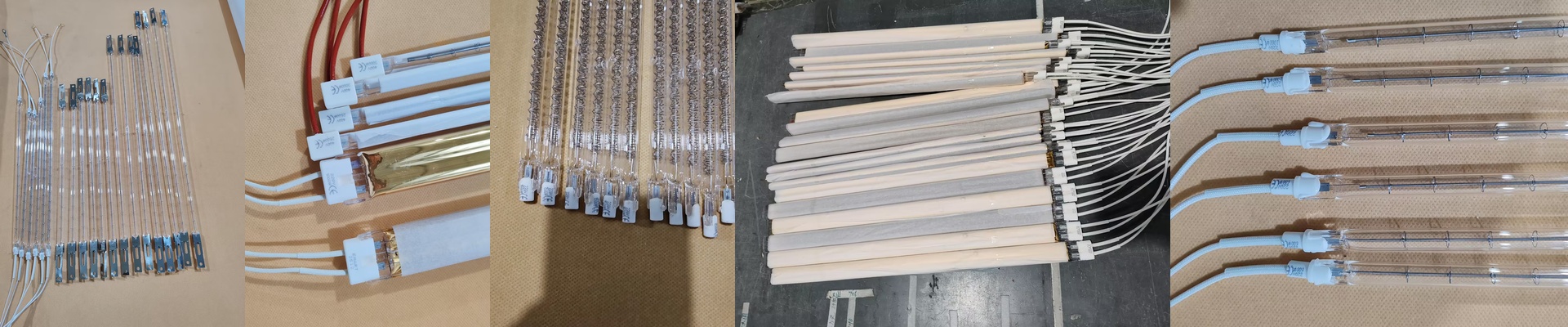
Getting the Most Out of Your Ceramic Infrared Heaters
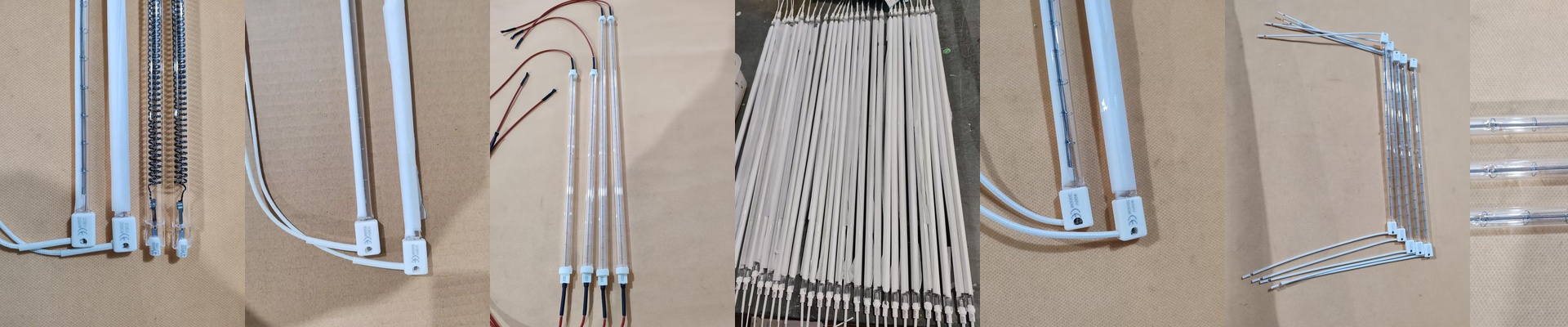
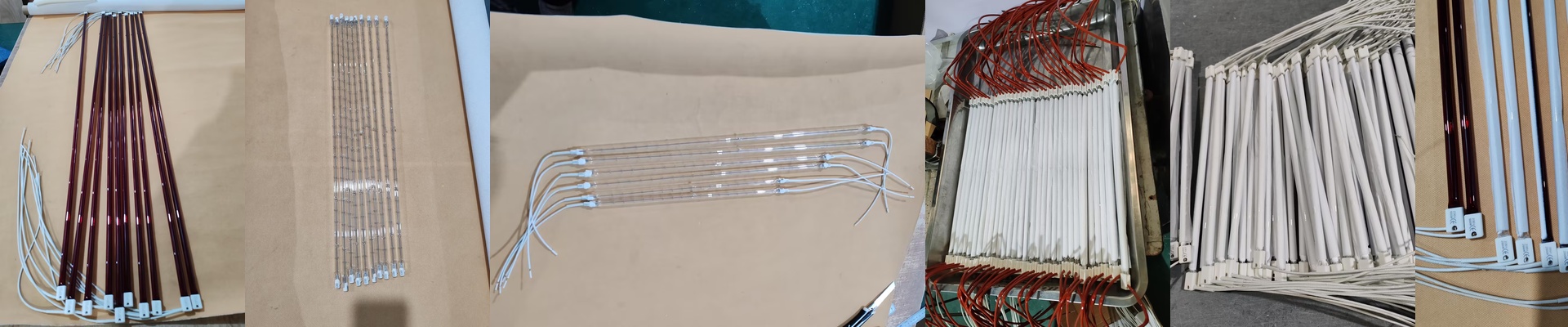
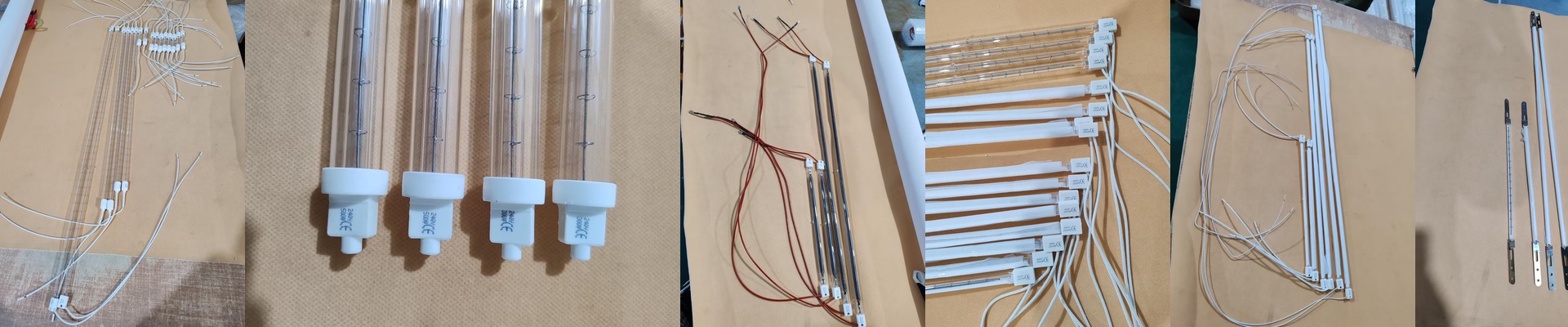
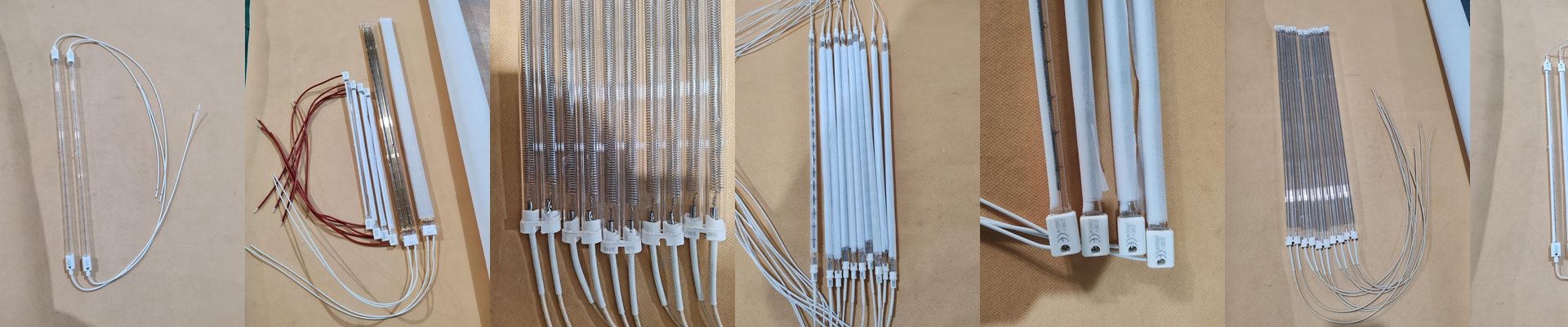
Here is the deal with ceramic infrared heaters: they don’t waste time warming up the air around them. Instead, they send heat straight into whatever you’re trying to warm up. We build these things to take a beating—high wattage, constant heating and cooling—without falling apart.
Let’s talk about heat and power
When you’re picking out a bulk order, it really comes down to how much power you’re packing into the space you have. If you cram more wattage into a smaller area, things get hot fast. Really fast. That’s great for quick ramp-up times, but you’ve got to be careful. If your housing can’t handle that kind of heat, you’re looking at fried wiring or dead sensors. It’s a balancing act.
Why the material actually matters
We use high-grade alumina ceramics to wrap the heating coils. Why? Because the shop floor is a messy place. The ceramic keeps the internals from rusting out or oxidizing. The cool part is that ceramic doesn’t like to soak up heat; it prefers to push it out. This means the heat goes exactly where you want it—on your workpiece—instead of bleeding back into the machine frame and heating up your whole shop.
Cutting out the middleman
Buying straight from the factory isn’t just about “cost engineering”—it’s about common sense. Trading companies add a markup for doing… well, not much. When you skip them, the price per unit drops, and your margins go up. It’s a win. Plus, these are designed to be drop-in replacements. Whether you’re managing a curing oven or a drying line, they’ll fit right into your existing setup. Just a quick tip: double-check that your power supply can handle the total load of the array. You don’t want to flip a breaker the second you hit the power switch.