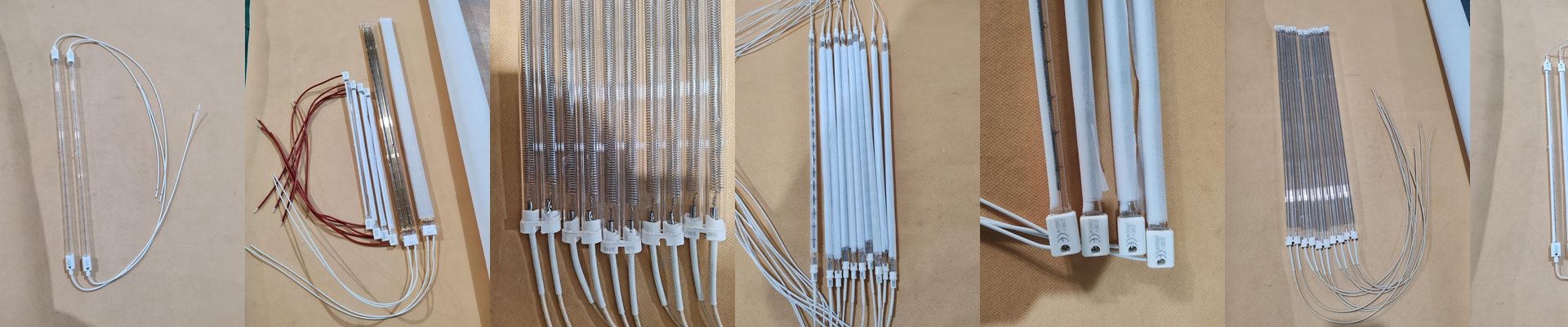
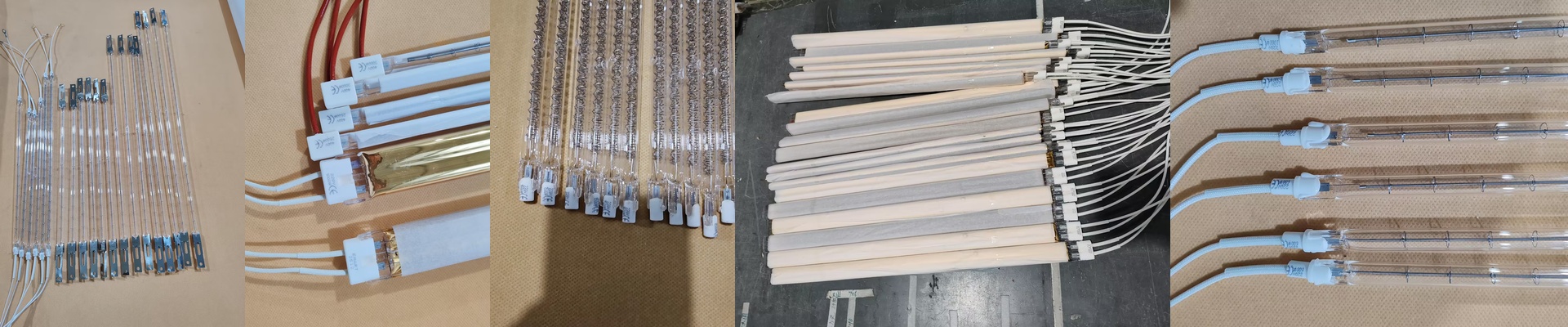
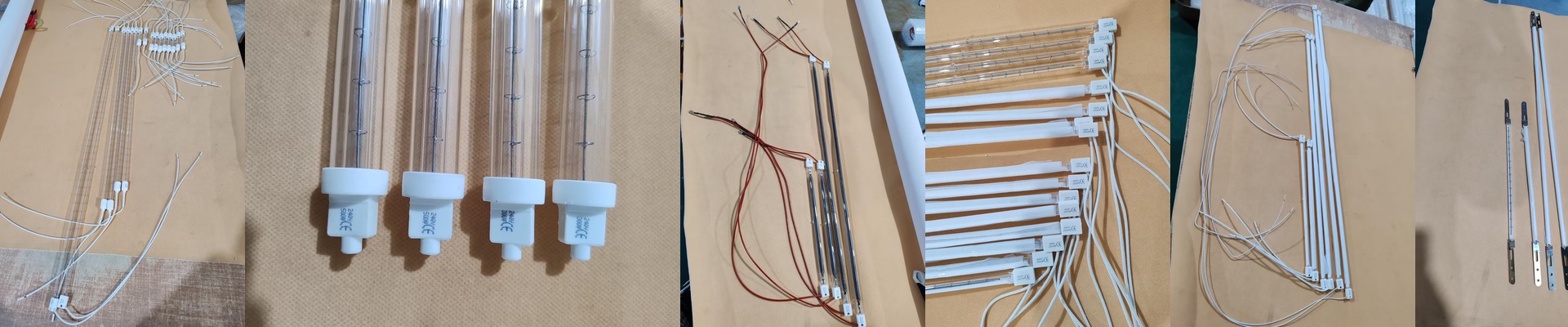
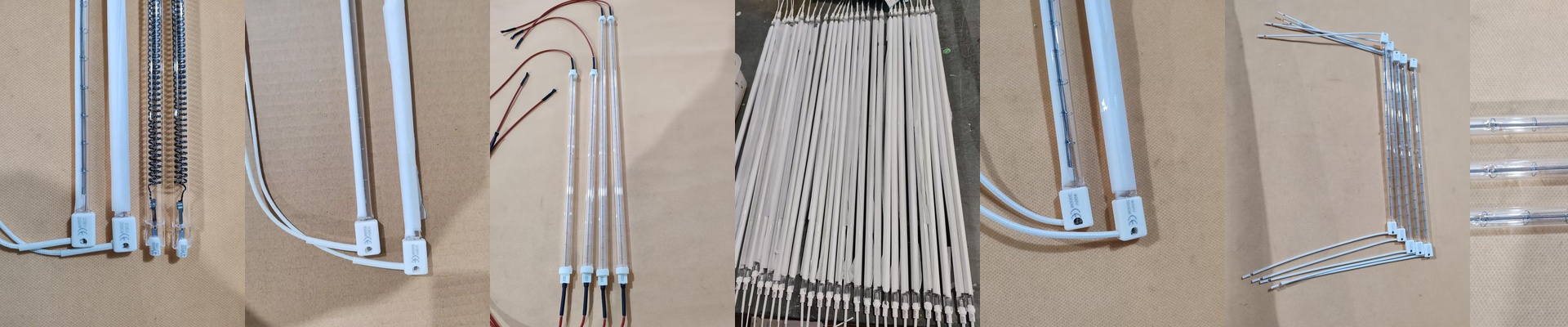
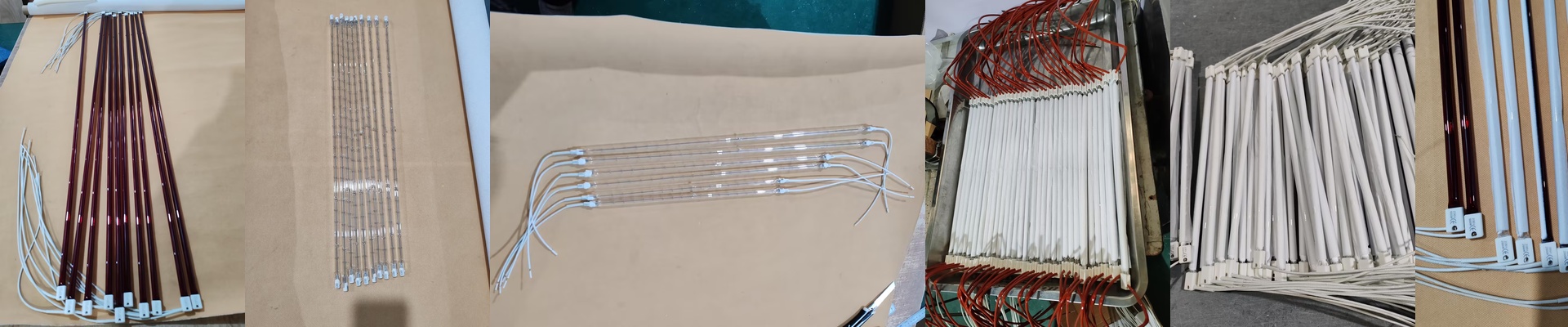
Why Your Spec Sheet is Lying to You About Heating Tubes
When you’re shopping for new heating lamps, it’s easy to just glance at the voltage and wattage, check the box, and call it a day. But here’s the thing: that’s only half the story. Most engineers forget about the temperature rise curve and how the heat actually lands on the plastic. If you ignore those, you’re asking for trouble. A lamp might hit the target temperature on paper, but if it’s got “hot spots,” your PET blowing is going to end up with uneven walls or warped parts. Nobody wants to explain a pile of scrap to their boss.
The Speed Game
Think of the temperature rise curve as your heartbeat for cycle time. We track how long it takes to go from a cold start to a steady hum. If it hits top speed too fast? You risk cracking the quartz glass from thermal shock. Too slow? Your production line crawls. We spend a lot of time tweaking filament density so the heat softens the plastic quickly, but without scorching the surface. It’s a delicate balance.
Killing the “Ring Effect”
This is where the cheap, generic lamps usually fall apart. You might have a tube rated for 2000W, but if all that heat is crammed into the center, you get a “ring” on your plastic. It looks bad and performs worse. We use specific coatings and smart filament placement to flatten that heat out. Do yourself a favor and compare the thermal map of your current lamps to ours. If you see a 10% swing across the length of the tube, your scrap rate is probably higher than it needs to be.
Getting Them Into Your Machine
These are designed to be drop-in replacements, which makes life easy. But watch your power density. If you jam higher wattage into a small space, you’re putting a lot of stress on your reflectors and wiring. If you go with a high-output tube, just double-check that your cooling fans can actually keep up with the heat buildup around the housing. If they can’t, you’ll be replacing burnt-out connectors way sooner than you’d like.