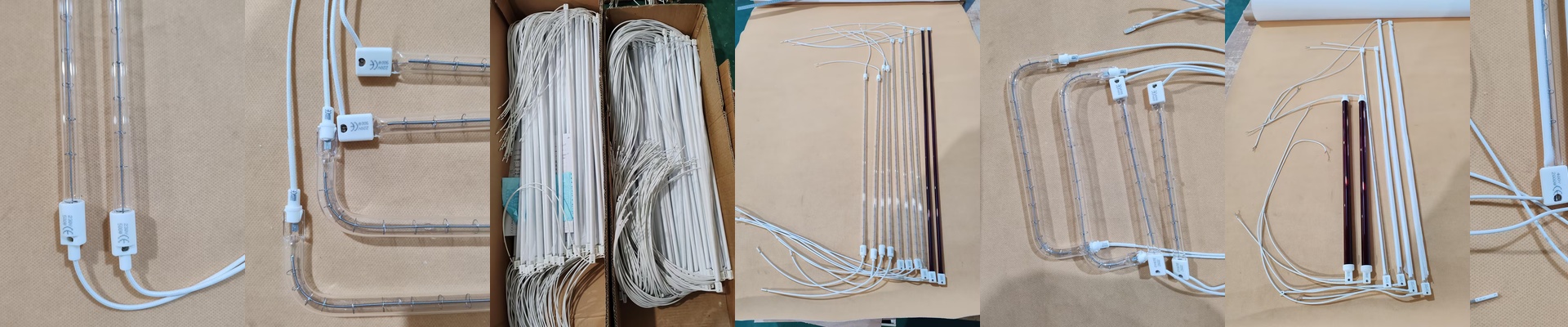

Electric Halogen Heating Elements: Power, Design, and Why They Work
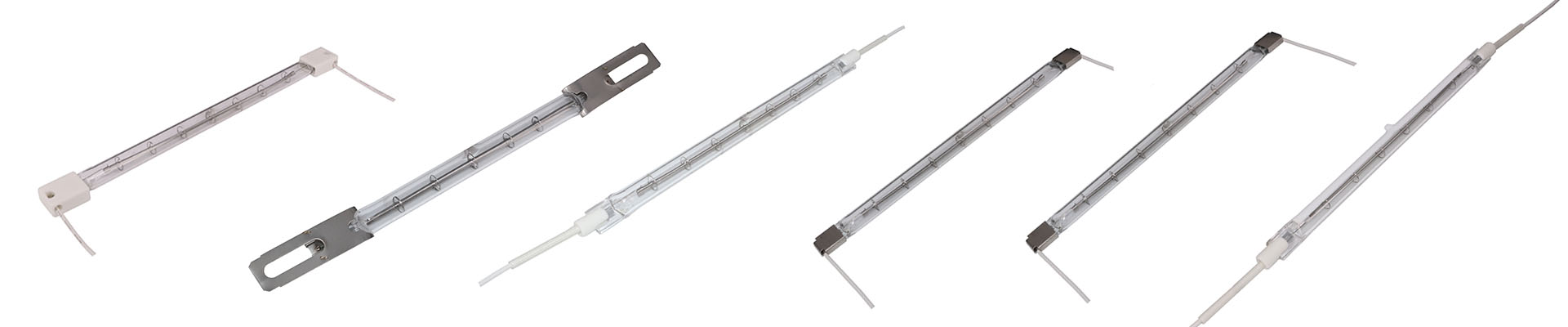
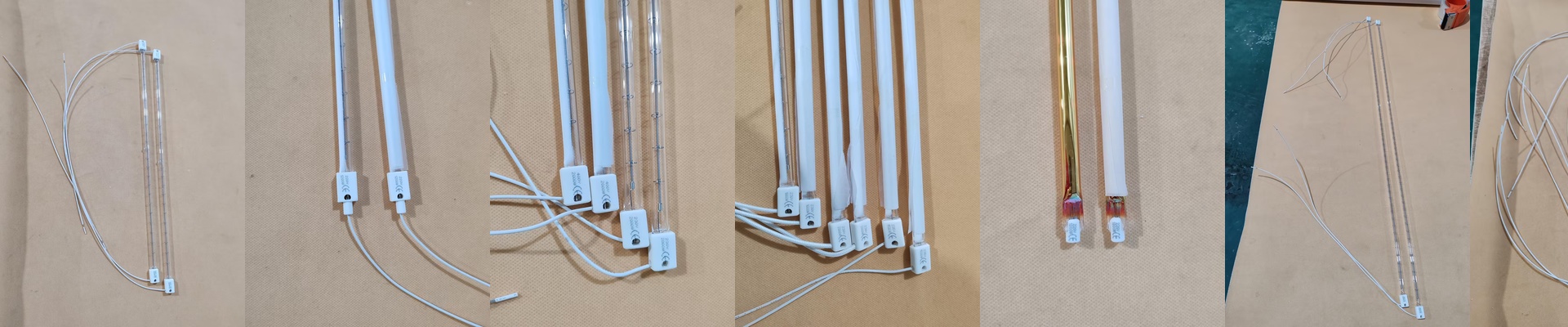
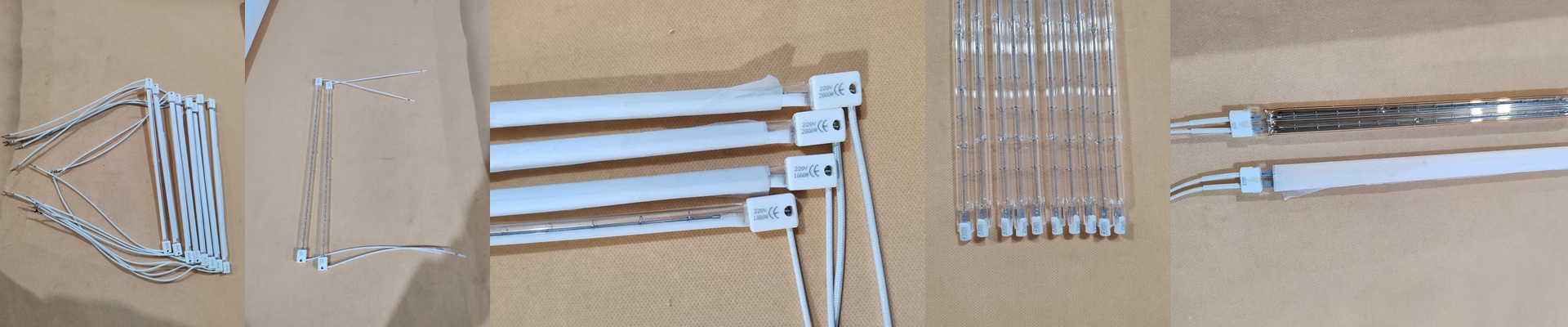
Electric halogen heating lamps are the kind of workhorse you want when you need heat, fast—right where you need it. We build them as direct-wire units, so you can match them to your machine’s footprint and the exact thermal load you’re dealing with. No fuss, no over-engineering—just a clean fit.
The Nitty-Gritty: Voltage, Power, and Size
Halogen lamps are typically rated for specific voltages—most often 230V or 400V—and their power scales with length and filament design. Take a 400V, 2500W lamp, for example. It’s built to run on higher voltage so it can deliver serious heat without hammering the wiring. The tube length—usually around 300mm—defines the heat zone, and the wattage sets the heat density. That concentrated power is the whole point. But here’s the catch: high density means you’ve got to manage the surroundings. Give nearby parts some breathing room, or add cooling. Otherwise, things can get too hot to handle.
What’s Inside: Halogen Chemistry, Quartz, and Solid Connections
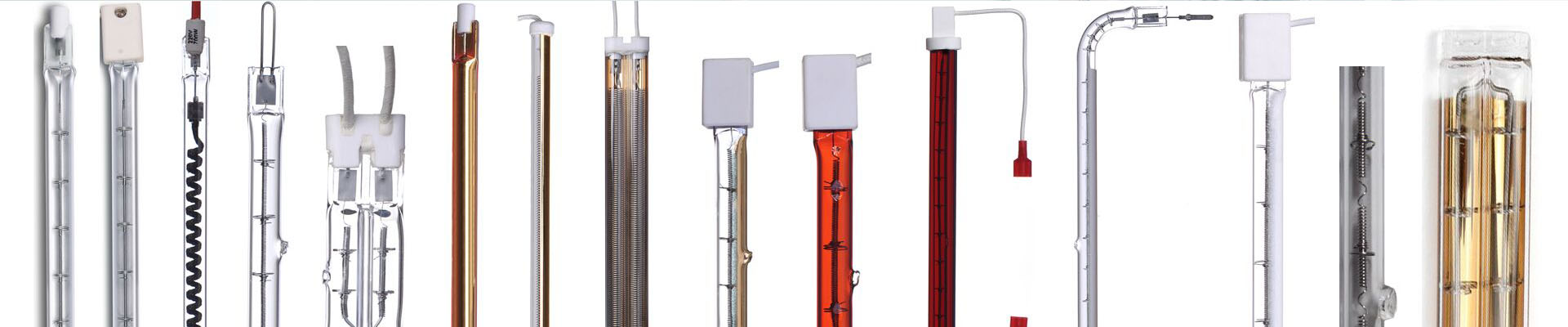
The halogen cycle does something pretty neat—it keeps the quartz envelope cleaner than a standard incandescent, so the output stays steady over the lamp’s life. The quartz itself is tough, handling the shock of rapid start-ups and running hot enough to keep the filament stable. For termination, we use R7s or Sk15 bases. R7s gives you a straightforward, two-contact connection that lines up with standard sockets in industrial heating fixtures. Sk15, on the other hand, locks in more securely—perfect for equipment that deals with vibration or gets handled often.
Where They Shine: Fast Heat, Tight Spaces
Halogen heating lamps shine when you need focused heat in a small window—pre-heating zones, plastic processing, and other industrial tasks. They warm up quickly, which helps you keep cycle times moving. And because the tube is compact, it slips into existing machine cavities with ease. Installation is simple—just drop it in. But plan ahead. Make sure you’ve got the right clearance and cooling in place. You can push the wattage hard, and it works. Just remember, that power comes with higher surface temperatures and stricter thermal management. Plan for it, and you’re golden.