
Introduction
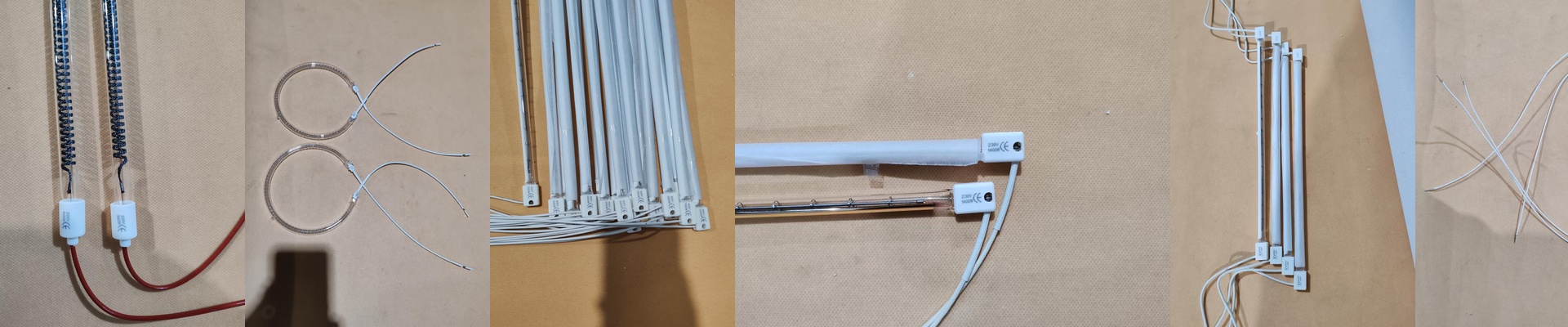
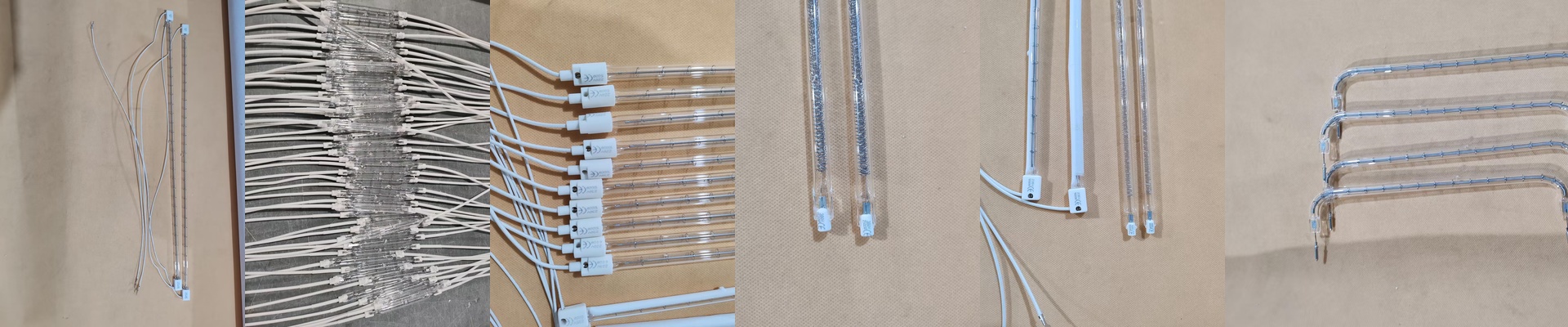
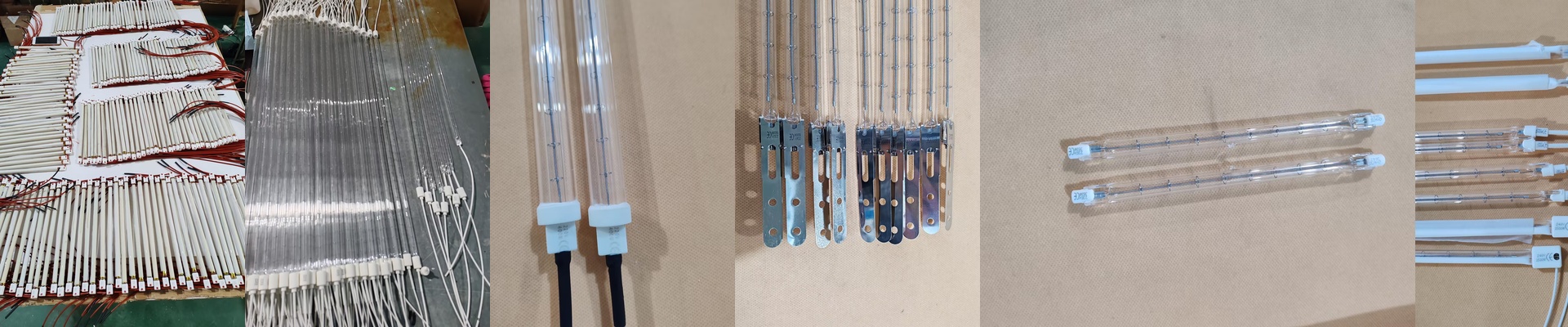
We built these infrared halogen lamps for one reason: to make curing automotive paint fast and foolproof. These shortwave units blast intense, focused heat right onto the paint surface. The result? Cure times that are way shorter than waiting for the air to do its thing. It’s all about packing serious power into a small package, so you get heat exactly where you need it, when you need it.
The Power Behind the Heat
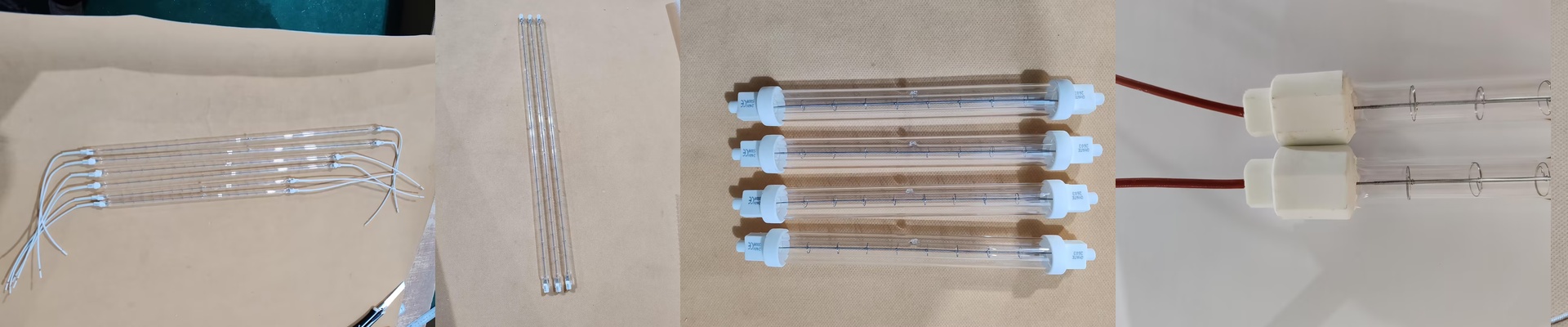
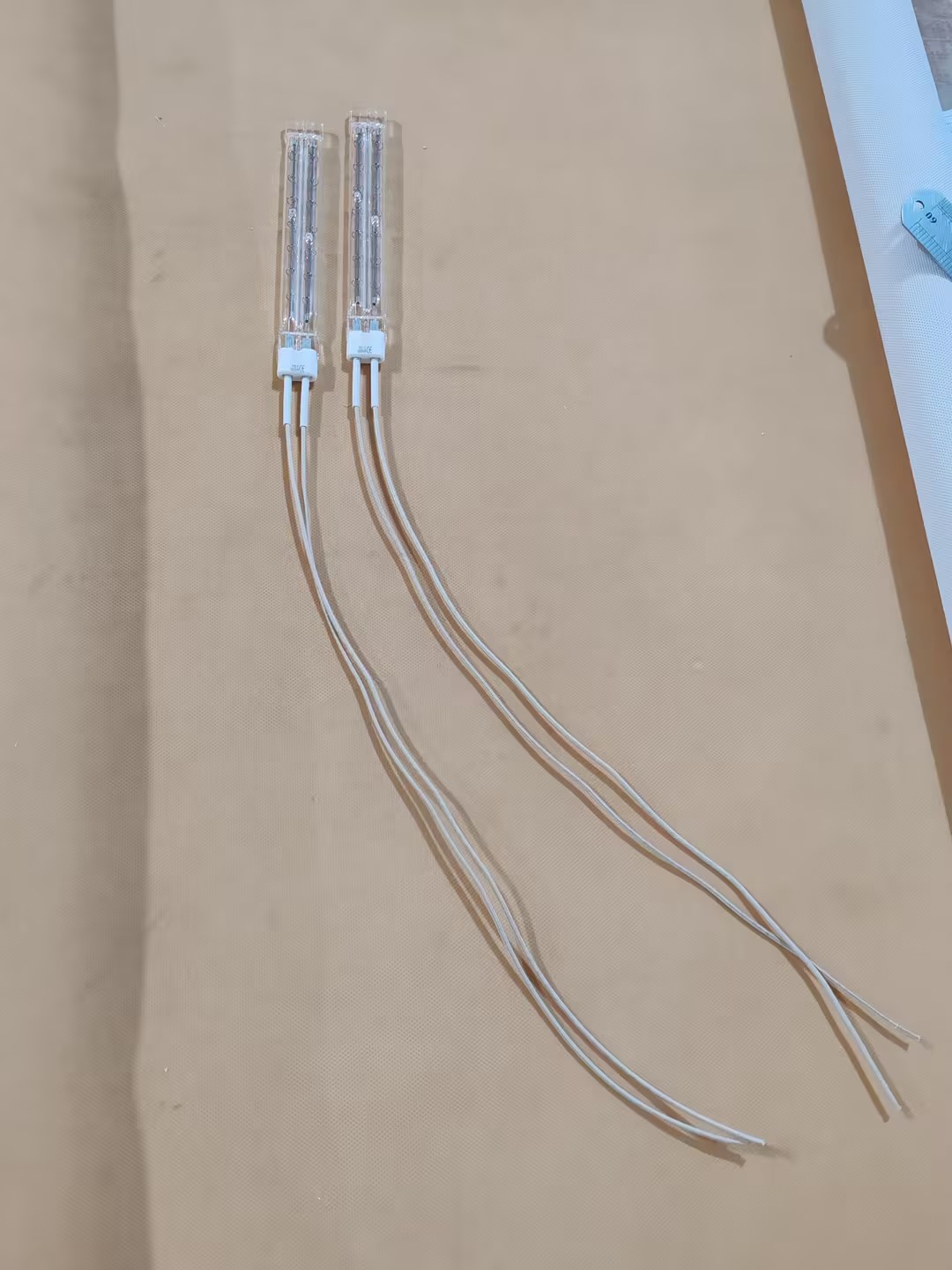
Here’s the heart of the matter: a shortwave halogen element, pumping out 2500 watts on a 400-volt supply. This combo is what lets us pack so much heat into a short, 300mm tube. That concentrated power gets the paint up to curing temperature in no time. And there’s a smart reason for the 400V. At that wattage, it pulls less current than a 230V setup would. That means smaller wiring and less stress on the connections. Less fuss, more reliability. The short length isn’t just for show, either. It’s what makes the lamp fit into tight drying booths, or even lets you use it handheld or mounted. You get the output of a massive heater, but in a footprint that actually works in a real shop. But packing that much power into a small space has a catch. You need serious cooling and thermal management around the lamp and reflector to keep everything running smoothly.
Smart Design, Built to Last
The halogen chemistry does a neat trick: it keeps the quartz envelope clean by cycling tungsten back to the filament. This keeps the output steady over the lamp’s entire life. And that quartz tube? It’s tough. It handles the intense filament temperature and doesn’t crack when you cycle the lamp on and off quickly. We also put a reflective coating on the back of the tube. It focuses all that infrared energy forward, so you get maximum power hitting the target. Then there’s the R7s connector. It’s a practical, no-nonsense choice. It gives you solid two-point contact, handles the current, and makes the lamp a simple drop-in replacement. You wire it up once, and that connection stays tight, even in the chaos of a busy shop.
What It Feels Like on the Job
When you’re drying car paint, the shortwave infrared profile hits the topcoat hard and fast, without wasting heat on the surrounding air. That means you move jobs through faster, with a more consistent cure every single time—especially for clear coats and base coats. And because the surface cures so quickly, you cut down on the biggest headache in a paint shop: dust and contaminants settling on a wet surface. These lamps are built for industrial work, but they still need the right care. Treat the quartz like it is—hot glass. Keep it clean, avoid getting oils on it, and make sure your fixture is matched to the 400V, 2500W load. Get the cooling and mounting right, and you’ve got a tool you can count on. One that just works, and keeps your line moving.