

Replacing Your Electric Stove’s Heat Lamp: Getting the Right Halogen Element and R7s Fit
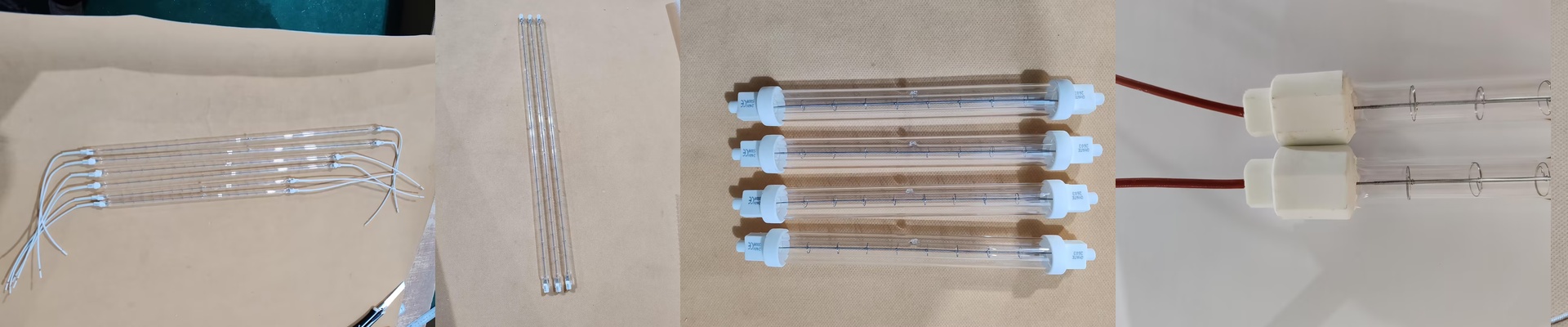
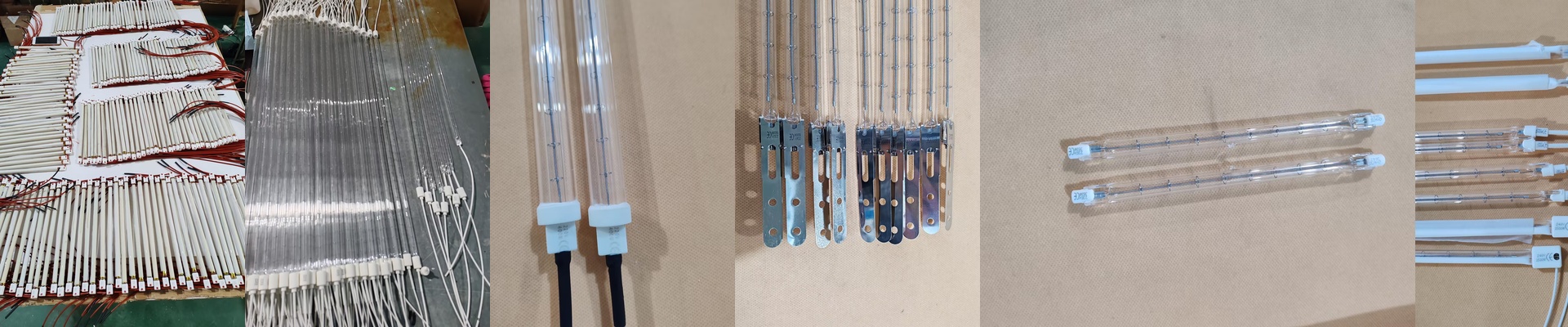
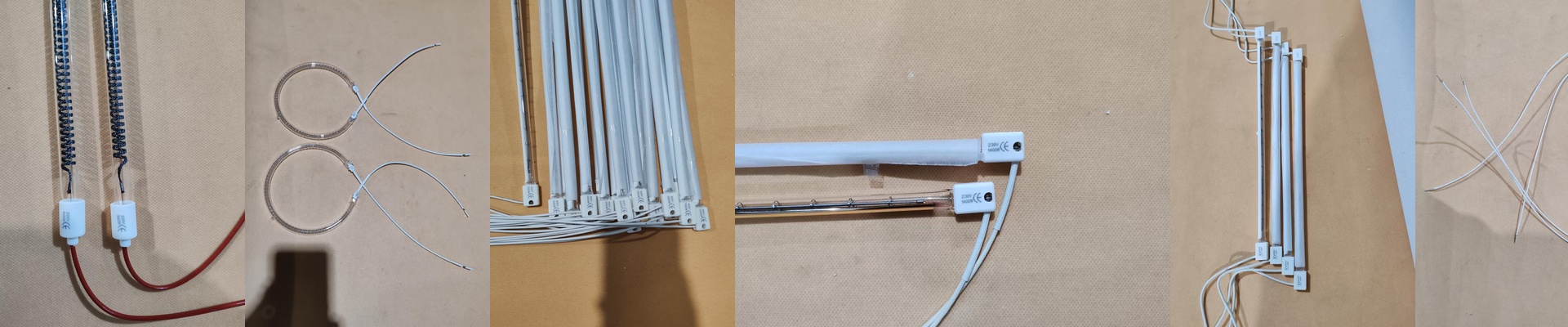
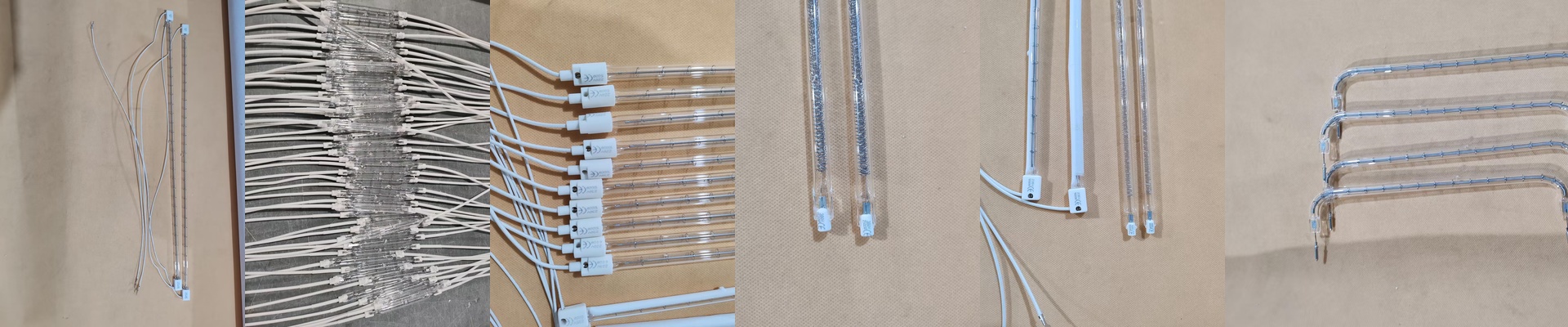
Let’s talk about replacing that heat lamp on your electric stove or food warmer. It’s one of those jobs that feels simple until you’re staring at the empty socket, wondering what to grab. Here’s the thing: you’re not just picking up a bulb. You’re matching a specific piece of the puzzle. The goal is to get the right heat, in the right place, with the right connection. We build our halogen heat lamps to be a straight swap. So you can get your machine back up to temperature without having to rework the whole fixture.
Power, Voltage, and Size Matter
These lamps usually come in common power ratings, like 250W or 500W. And the voltage has to line up with what your unit is putting out—typically 120V for many North American setups, and 230V–240V for European or commercial units. The wattage is what gives you the heat, and the voltage has to match the circuit. Simple enough. But the length of the tube? That’s not just a random number. A 300mm length is the standard because it fits the mounting space in stove hoods and food warmer reflectors perfectly. Get a lamp that’s too short, and you’ll end up with cold spots. Too long, and it can hit the edges of the reflector, creating hot spots.
The Inside Story: Quartz, Halogen, and a Smart Connection
Inside, you’ve got a quartz envelope. Quartz can handle the extreme heat of the filament and won’t crack when things heat up and cool down again and again. That’s a big deal when the lamp is cycling on and off during a busy service. The halogen gas inside lets the filament run hotter without the glass blackening up fast. That means the heat stays steady and consistent over the life of the lamp. Many versions also have a reflective coating on the back half of the tube. This just bounces the infrared energy forward, so more of the heat goes where you need it and less gets wasted on the fixture itself. And that connector—the R7s—is a smart choice. It’s a two-pin setup that locks the lamp in place and keeps the filament perfectly aligned with the reflector. It also carries the current without any fuss, making replacement a quick, clean swap.
What It Feels Like to Use
In a kitchen, speed and control are everything. A halogen heat lamp kicks out infrared heat immediately. That means you can hold food at the perfect serving temperature without turning the whole cabinet into a sauna. But there’s a trade-off. Packing that much wattage into a small tube means things get hot—fast. The fixture, the wiring, the reflector—they all feel the heat. So make sure your socket and wiring are rated for the wattage you’re using, and that you’ve got enough ventilation. Otherwise, you’re just asking for parts to burn out sooner than they should. When you get the specs right—the wattage, the voltage, the length, and that R7s connection—you end up with a replacement that just drops in and gets the job done. Consistent heat, every time.