Let’s Talk About Quartz Halogen IR Tubes
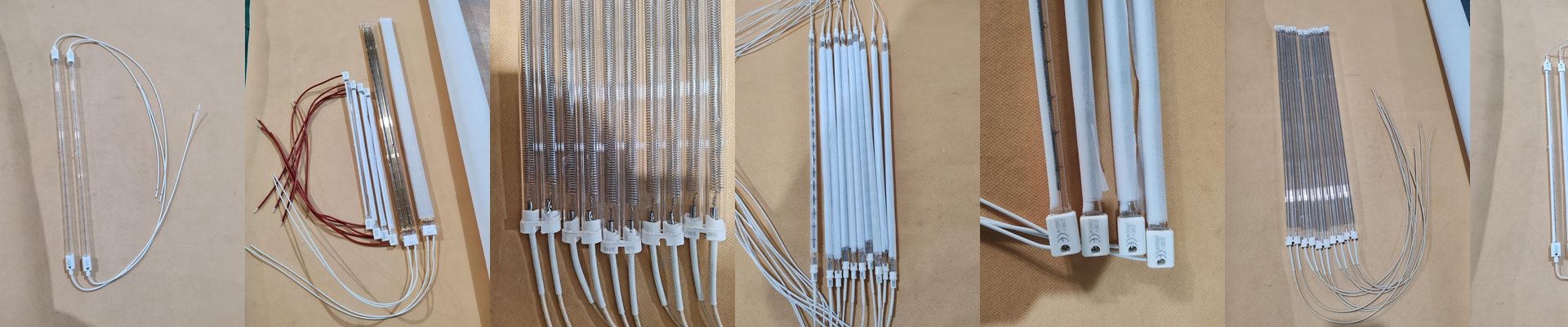
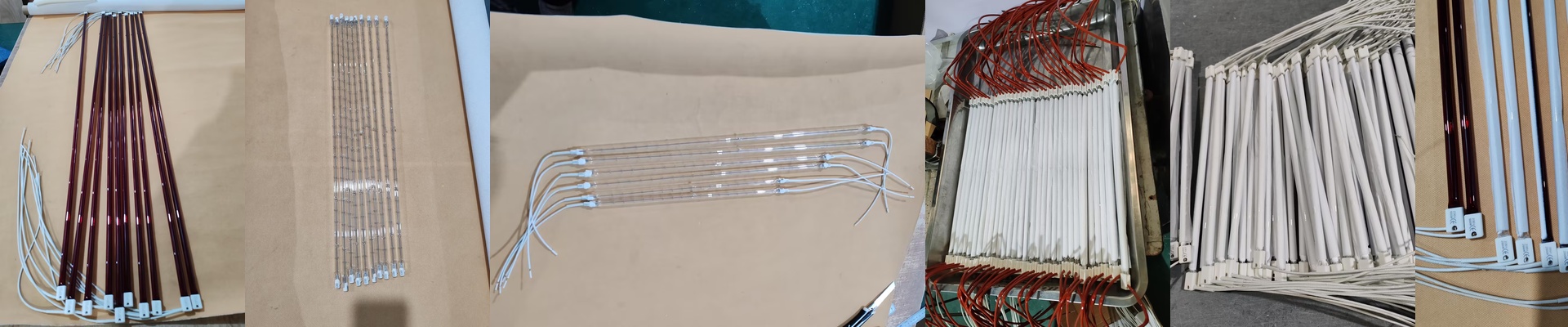
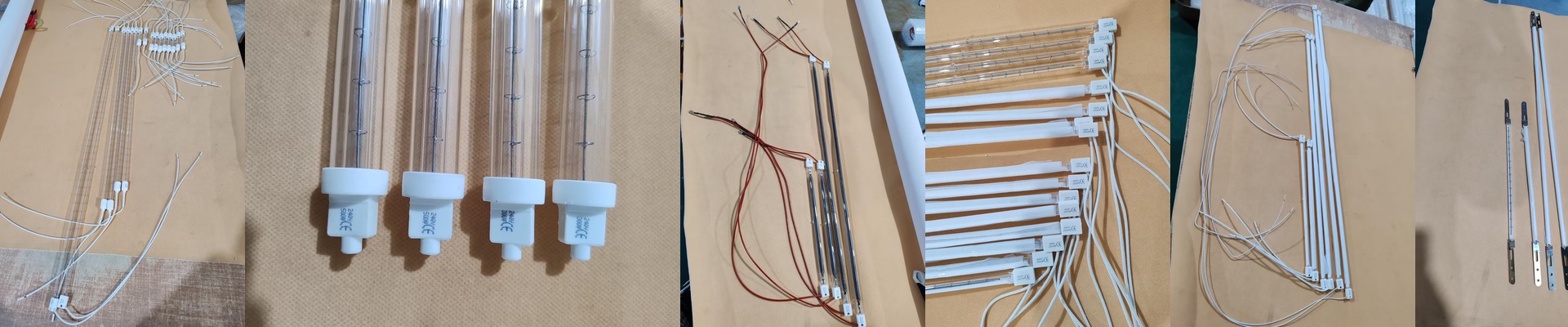
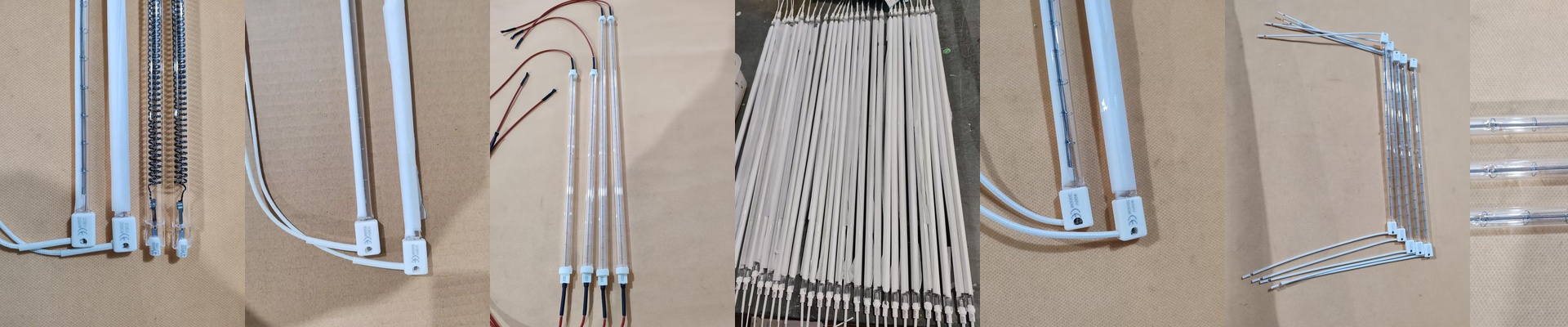
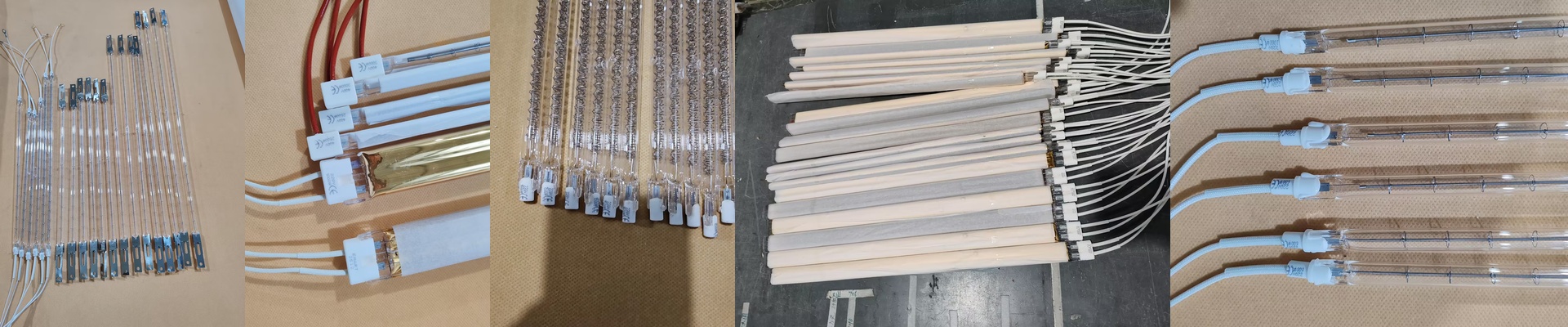
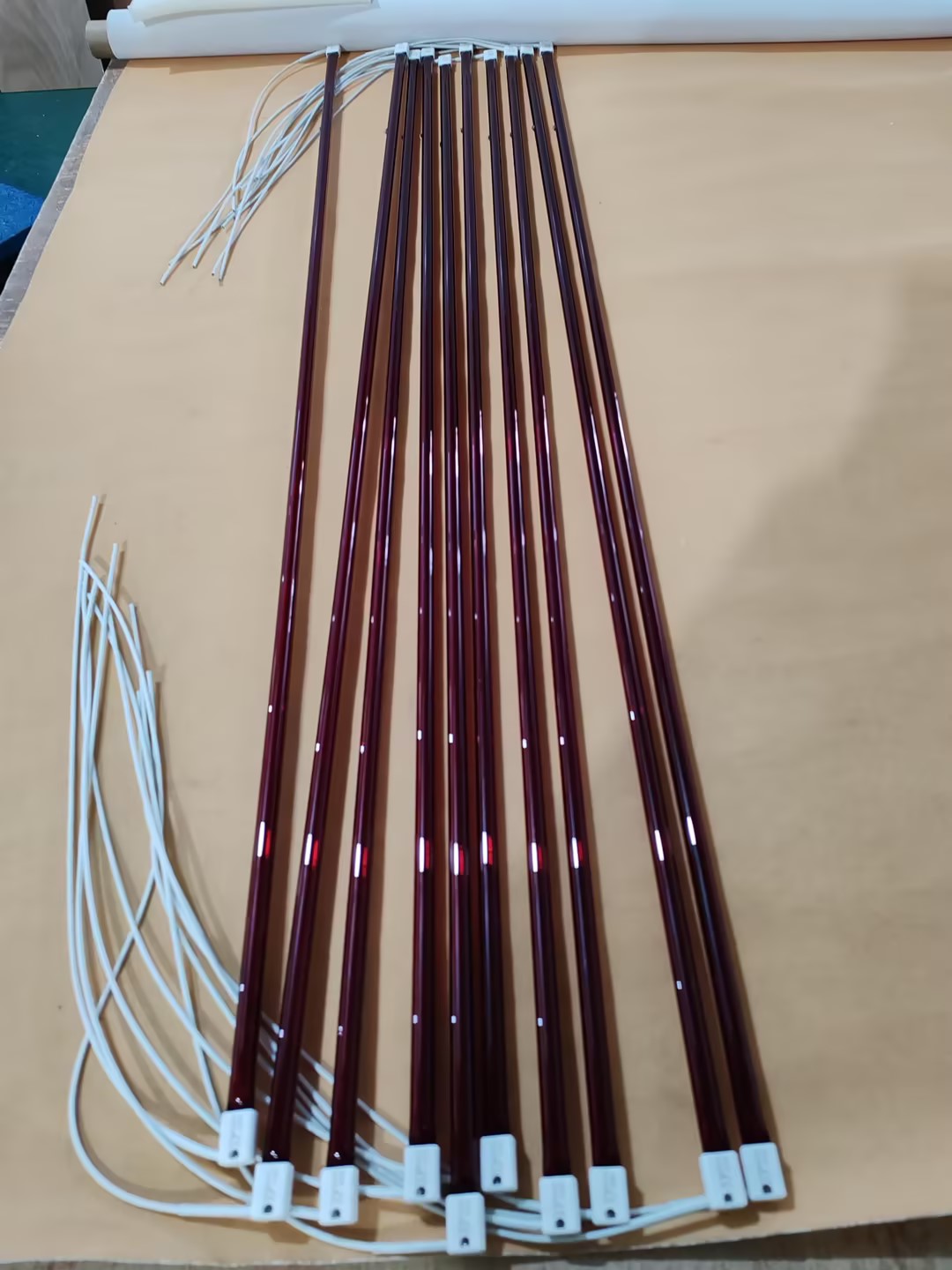
Ever wonder how some machines get things scorching hot in a matter of seconds? It usually comes down to these quartz halogen infrared tubes. Basically, we take a tungsten filament, wrap it in a high-purity quartz envelope, and fill the whole thing with a specific halogen gas mix. It sounds simple, but it’s a clever bit of chemistry. The gas keeps the filament from burning out even when it’s running at insane temperatures. That’s how you get those massive bursts of short-wave IR radiation without the lamp just giving up on you. The Power Side of Things Here is the thing about the specs: voltage and wattage are what really drive your heat. If you cram a lot of wattage into a short tube, you get an incredible amount of heat density. But a heads-up if you’re running a 230V or 400V system—your power supplies need to be ready for that initial “cold-start” spike. These things hit full temp almost instantly. It’s fast. Really fast. And that’s exactly why they work so well when you’re replacing those old, sluggish heating elements that take forever to warm up. Build and Fit We use quartz because it doesn’t “soak up” the energy; it just lets the IR pass right through. Depending on your machine, we usually go with R7s or Sk15 connectors. They provide a tight fit, which is huge because you don’t want any electrical arcing at the terminals. You might also see some tubes with a gold or aluminum coating. That’s just to push the heat forward. It doubles the intensity on whatever you’re heating, though it does make the tube itself run a bit hotter internally. Real-World Use (and the Catch) You’ll see these all over PET blowing and curing lines. In those worlds, if you aren’t heating the surface instantly, your cycle times tank. These tubes fix that. But there is a catch. Because they run so hot, they’re actually pretty fragile. **Pro tip: Never touch the quartz with your bare hands.**The oils from your skin create a hot spot on the glass, and that’s a one-way ticket to a cracked tube. Use gloves, keep your reflectors clean, and you’ll be good to go.