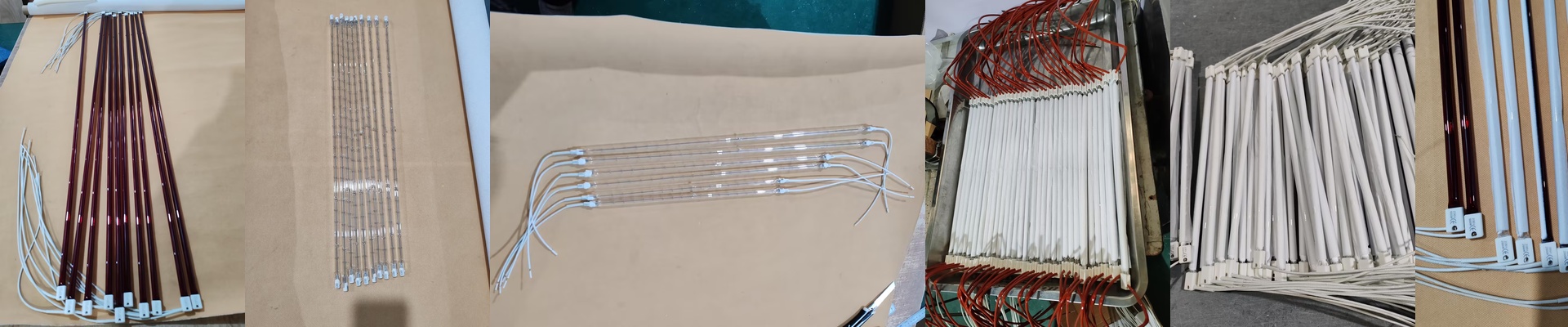
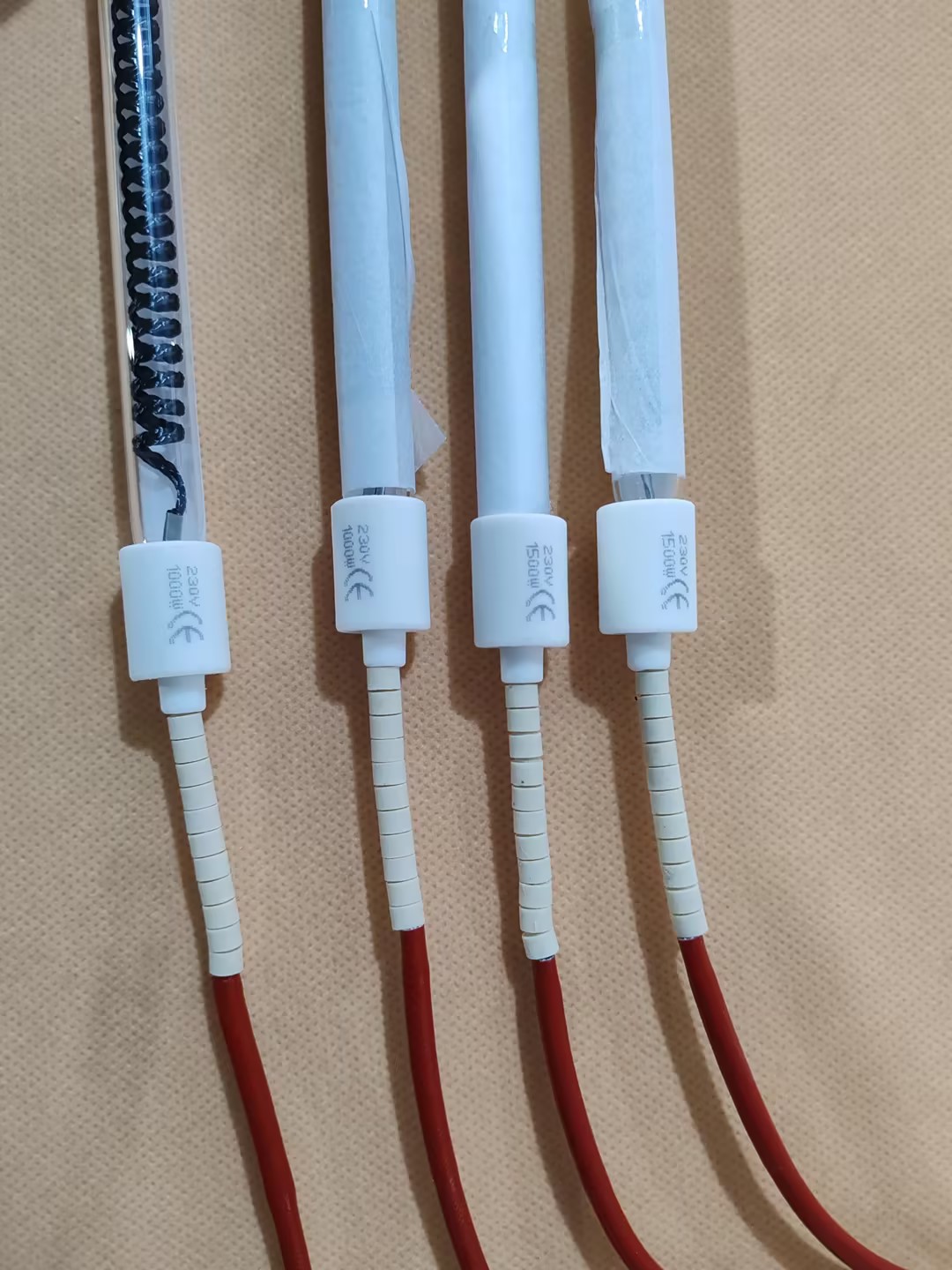
How We Actually Build Our 1000W Infrared Halogen Lamps
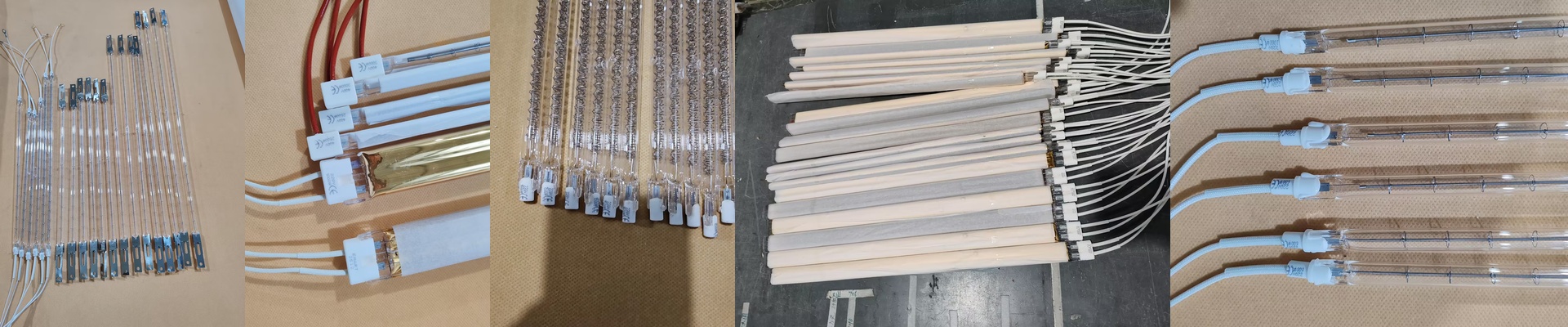
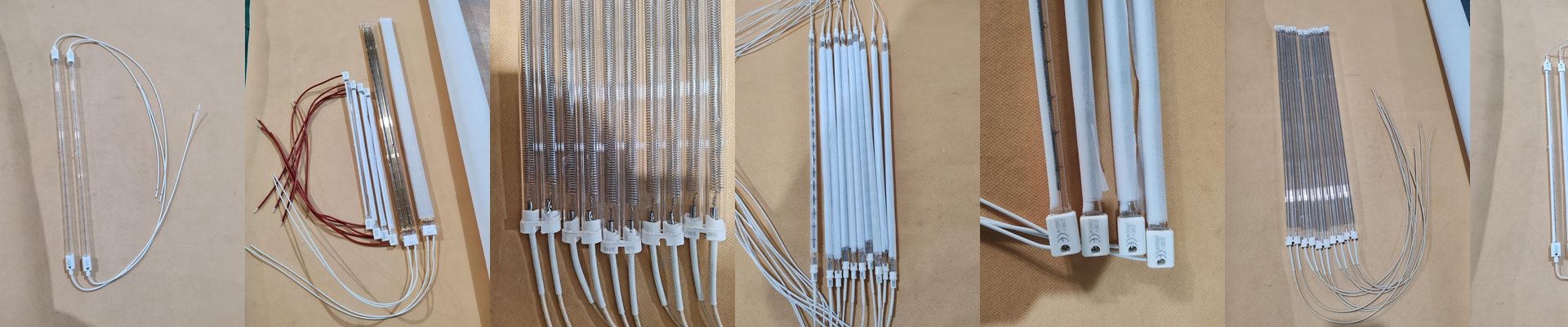
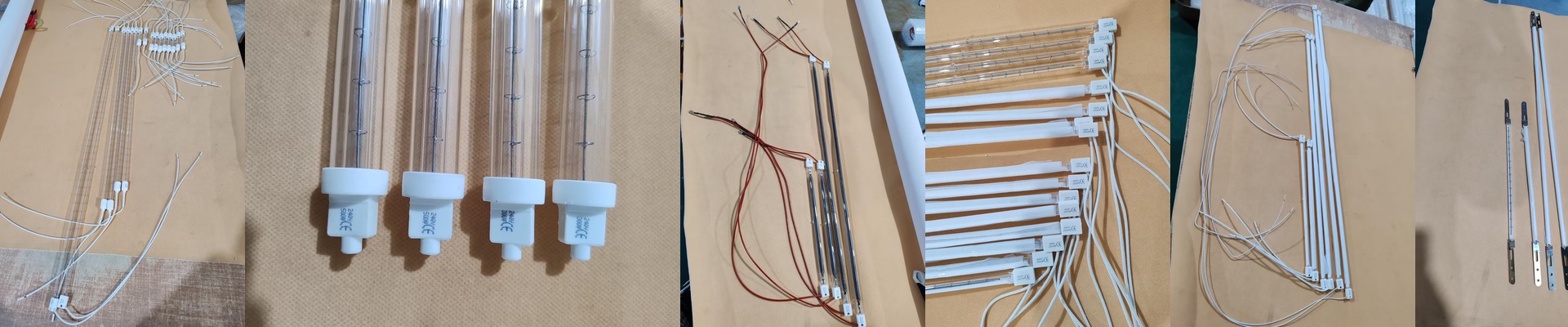
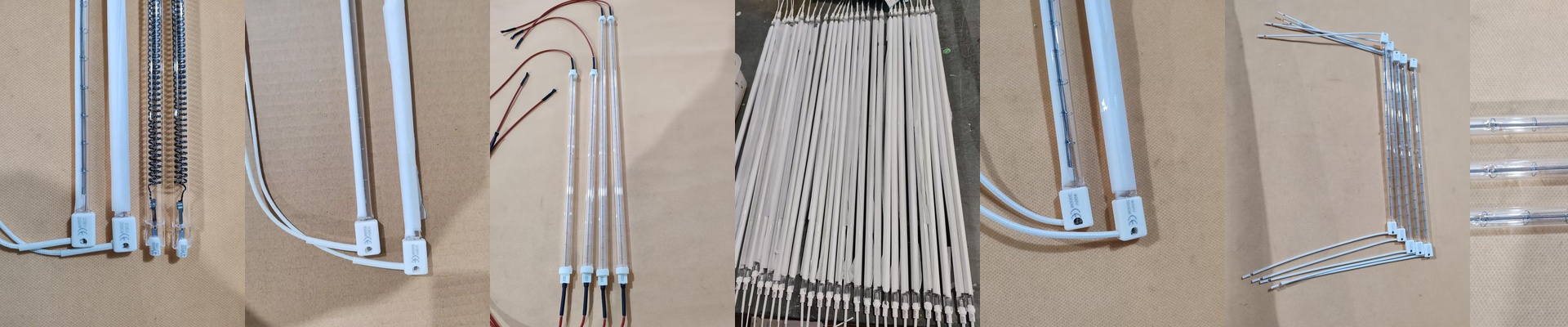
When we talk about these 1000W lamps, we’re not just talking about a lightbulb. We’re talking about raw, high-intensity heat that hits a surface and gets it hot now. The secret is in the mix. We take a tungsten filament and wrap it in a quartz envelope filled with halogen gas. Here’s the cool part: that gas actually pushes evaporated tungsten back onto the filament. It keeps the lamp alive longer and lets us crank up the heat for a much sharper, more focused output. Dealing with the heat 1000W is a lot of power. It’s what gives you those lightning-fast cycle times. Whether you’re running 110V or 230V, the main thing to watch is how that energy hits your workpiece. You’ve got to get the lamp length just right for your heater bank. If you don’t, you’ll end up with annoying cold spots. And a word of advice? If you’re cramming a bunch of these tubes into a tight space, make sure your cooling fans can actually keep up. If the ambient heat creeps up too much, you’re going to fry your wiring. Not a fun day at the office. The build quality We use high-purity quartz because it can take a beating. These lamps go from ice cold to screaming hot in seconds, and cheap glass would just shatter. You’ll usually see them with R7s or SK15 connectors. They aren’t fancy, but they work. They keep the electrical contact tight so you don’t get any dangerous arcing when the current spikes. Some of our lamps have a gold or aluminum coating. Think of it like a mirror—it bounces the infrared energy forward. It puts all the heat exactly where you want it and keeps your machinery from getting baked. Putting them to work You’ll find these things everywhere—blowing PET bottles, curing powder coatings, or drying automotive paint. They fit right into older setups, but they ramp up way faster than the old heaters did. Just keep in mind that shortwave IR is a different beast than longwave. It hits the surface hard. You’ll want to tweak your PID controllers so you don’t scorch the outside before the core even gets warm. And honestly? The biggest trick is just the spacing. Get the distance between the lamp and your part exactly right, and you’ll get that perfectly even temperature every single time.