
Stop Letting Burnt-Out Heaters Kill Your Production
Most people just shrug when a lamp fails. They call it “maintenance” and move on. But let’s be honest: every minute your line is dead while someone hunts for a spare heater is money leaking out of your pocket. It’s not just a part replacement. It’s a hit to your actual capacity.
Why lamps actually blow
Here is the thing about plastic heating. To get polymers to that glass transition point quickly, you need a lot of heat, fast. That means pushing quartz or halogen lamps to their absolute limit. But filaments are picky. If your voltage jumps around or your cooling air isn’t hitting the lamp evenly, that filament thins out. Then it snaps. Just like that, your line stops. We try to find a sweet spot between raw power and how long the lamp actually lasts. Sure, a higher voltage rating lets you keep the footprint small, but it puts a lot more stress on the connectors. If your power supply isn’t rock solid, you’re basically just paying to burn through lamps faster.
Making the swap painless
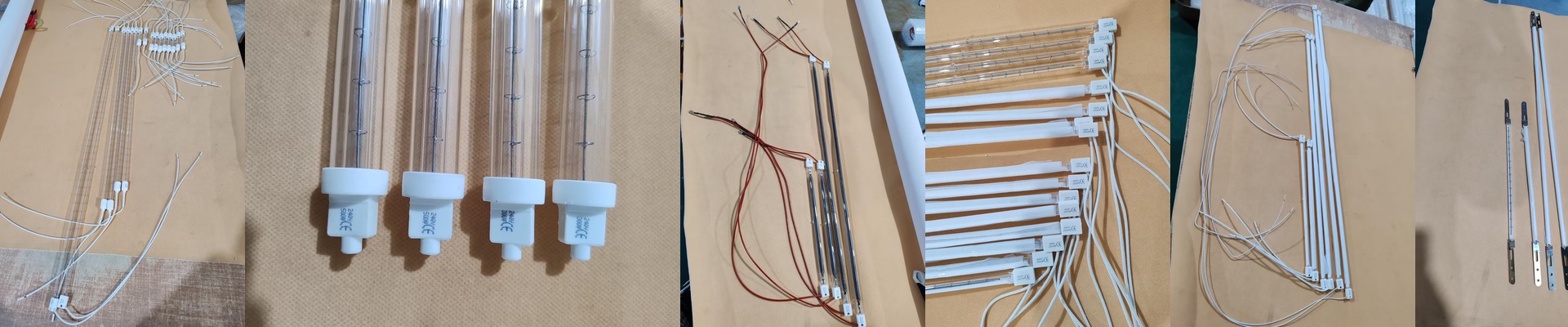
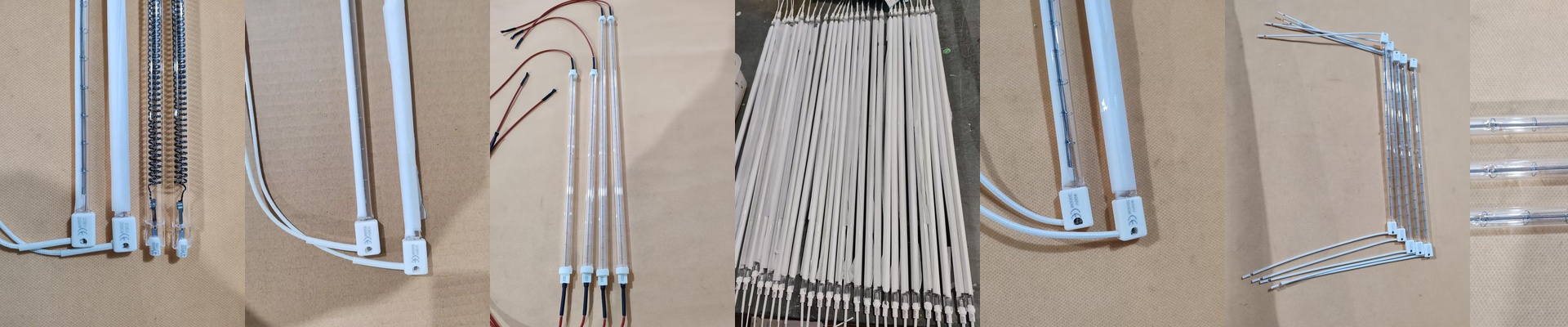
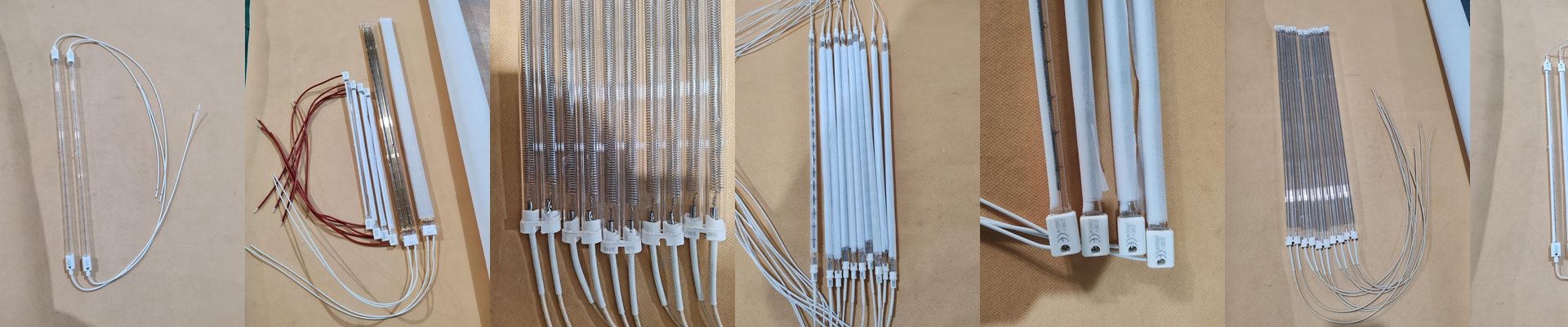
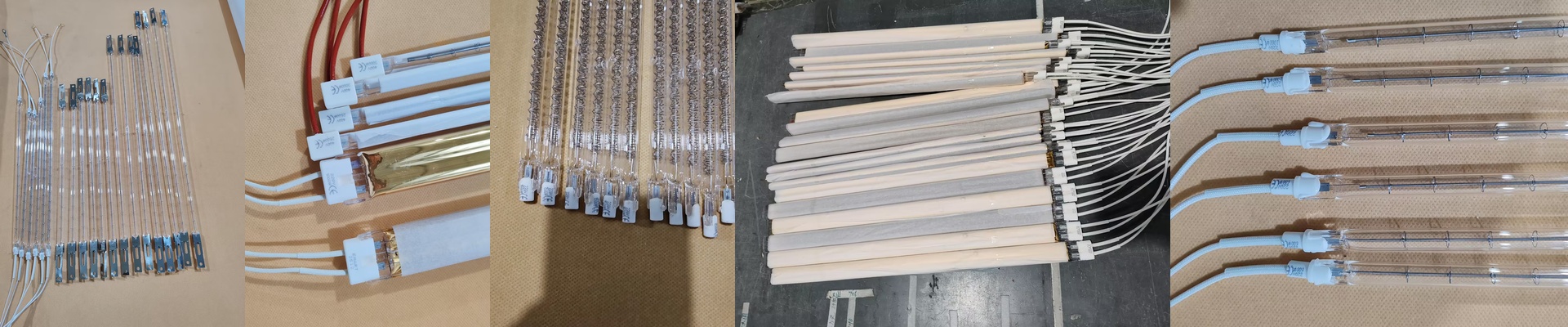
There is a massive difference between a ten-minute pause and a two-hour nightmare. Usually, it comes down to the connector. We stick to standardized R7s or Sk15 bases. Why? Because they just drop in. We hate proprietary locking clips and weird brackets that require a special tool kit just to change a bulb. Your techs should be able to wire it up and get the line humming again without fighting the hardware.
The reality of power vs. lifespan
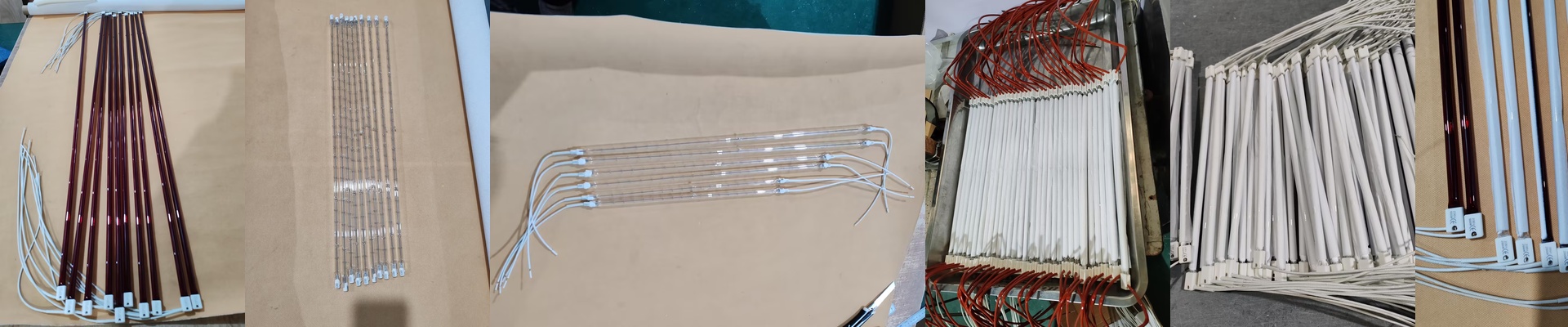
Look, you can’t have a lamp that lasts forever and also puts out massive heat. It’s a trade-off. If you’re doing PET blowing or shrink wrapping, you need that 2500W punch for fast ramp-up times. That’s great for speed, but it means you’ll be replacing lamps more often. The trick is to manage the heat around the lamp. If your cooling system can’t handle the ambient buildup in the housing, the lamp is going to fry—no matter how high the quality is. It all comes down to matching your heater specs to the actual thermal load you’re dealing with. Do that, and you stop the bleeding.