The Real Cost of a Blown Lamp
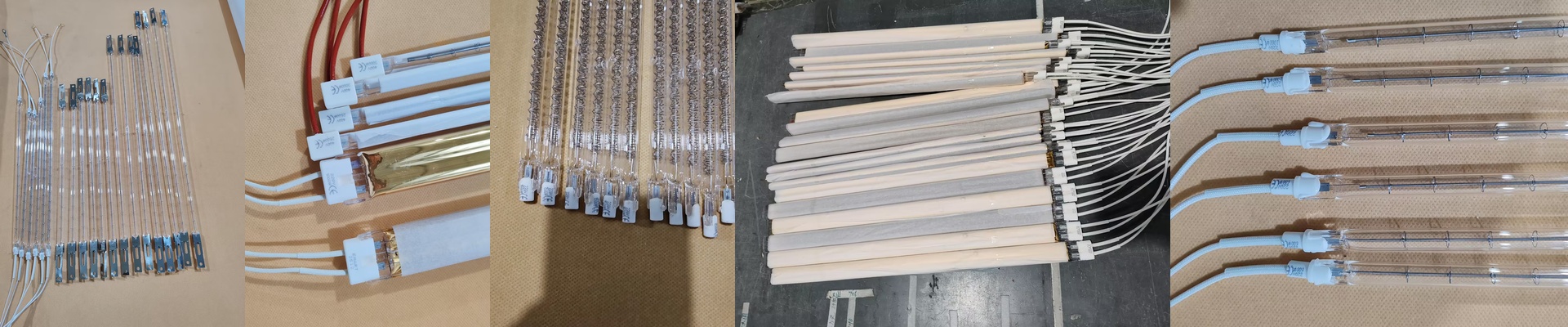
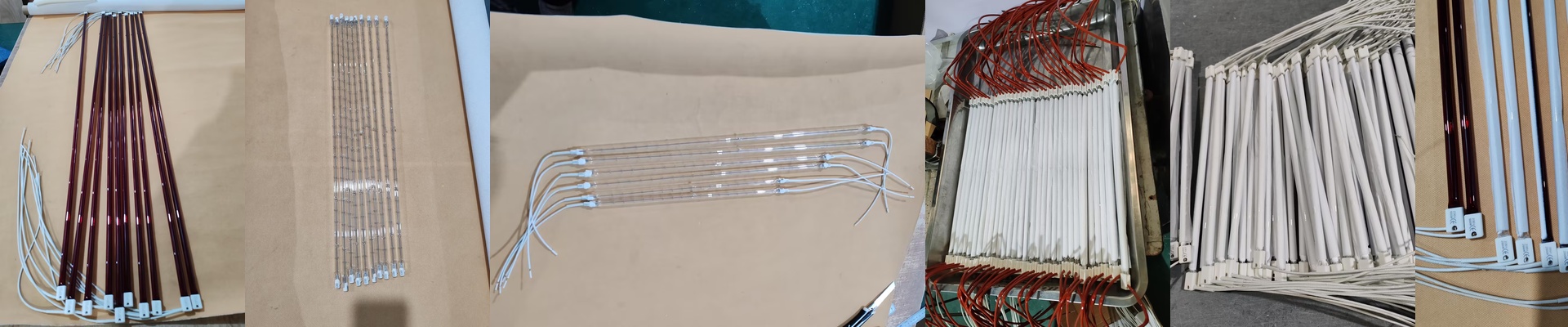
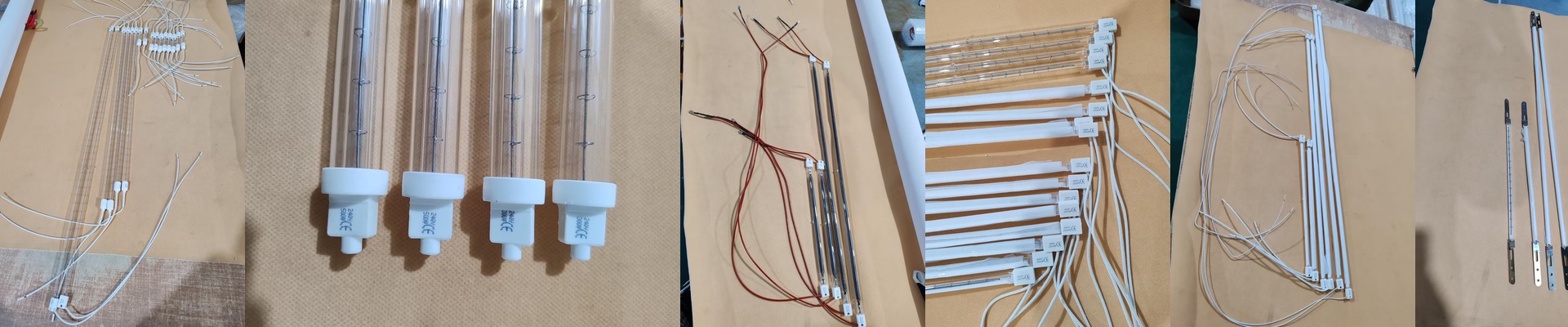
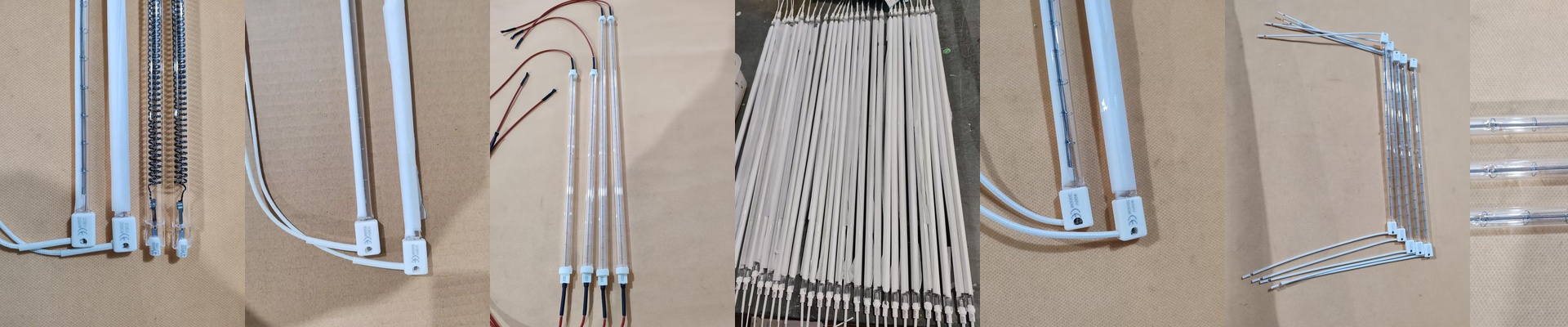
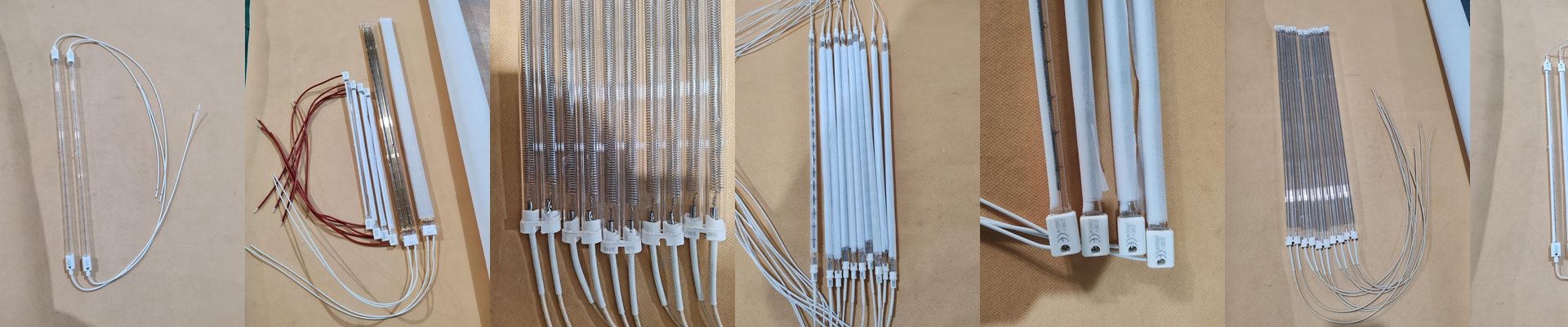
Let’s be honest: when a heater burns out on your plastic line, the cost of the part is the least of your worries. The real pain is everything else. You’re staring at a dead line. You’re tossing raw material in the bin. You’re wasting a ton of energy just trying to get the system back up to temp. It’s a headache that kills your momentum and tanks your productivity. We build our Replacement heaters to stop that cycle. We focus on duty-cycle stability because we know you just want the thing to work and stay working. Getting the specs right If you’re looking for a drop-in replacement, it has to be a perfect match. No “close enough.” If the wattage or voltage is off, you’re asking for trouble. You might trip a breaker or, worse, melt your wiring. And don’t even get me started on the physical size. If a tube is off by even 2mm, it puts stress on the quartz. Then, as soon as things heat up and expand, snap—you’ve got a crack and another unscheduled stop. Quartz and the “weak points” We use high-purity quartz glass because plastic softening requires some serious heat density. Depending on what you’re running, we can coat the tubes to shift the infrared spectrum. This means the heat actually gets into the plastic instead of just scorching the surface. But here is the thing: most failures happen at the connection. That’s why we stick to standardized R7s or Sk15 bases. You need a tight, snug fit. If the connection is loose, you get arcing. That burns out the pins, and you’re right back to square one, replacing another lamp. Heat vs. Air High-output lamps are great for fast ramp-ups and quick cycles. They’re fast. Really fast. But there’s a catch. All that heat has to go somewhere. If you’re pushing massive heat into a small space, the housing gets hot. If your cooling fans are clogged or your ventilation isn’t up to the task, the lamp’s lifespan plummets. Keep the airflow clear. It’s a simple fix, but it’s the best way to make your lamps last.