Getting Your Textiles Dry (and Curing Them) with Halogen Heat
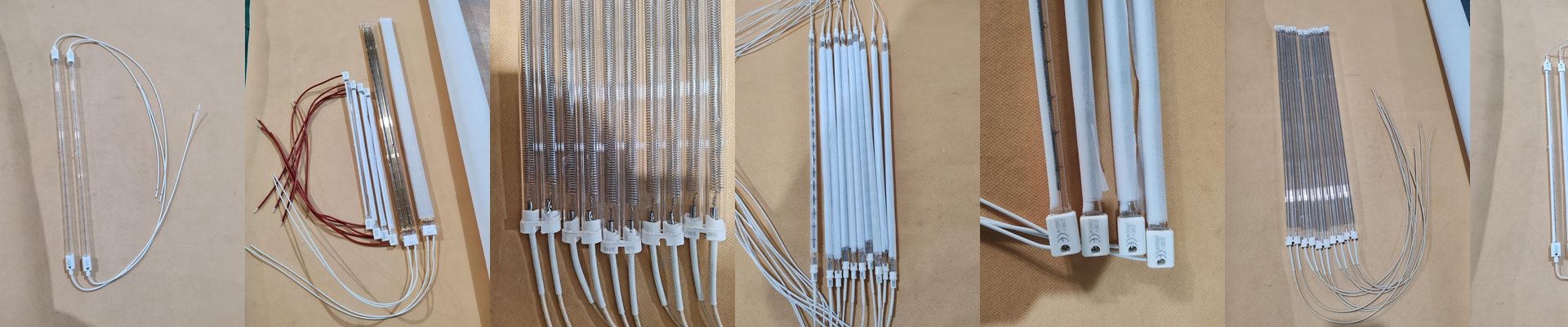
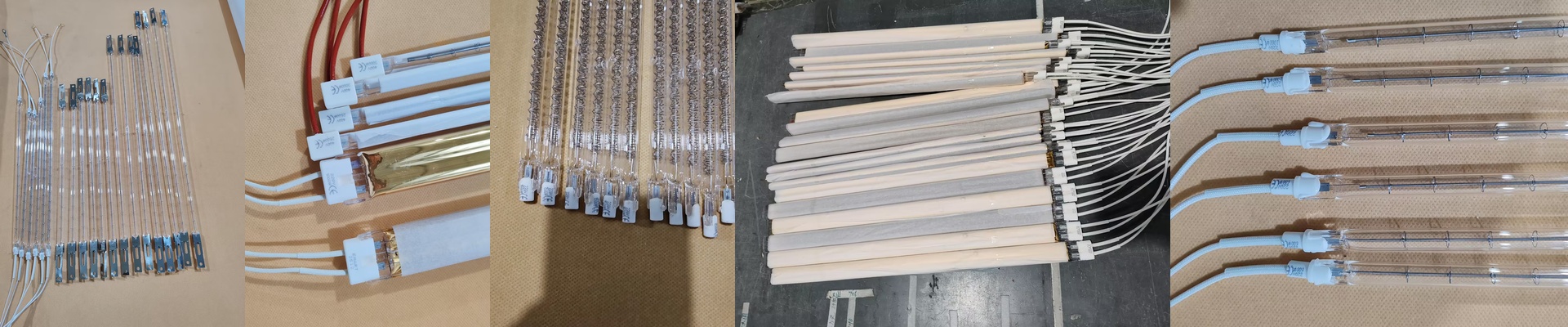
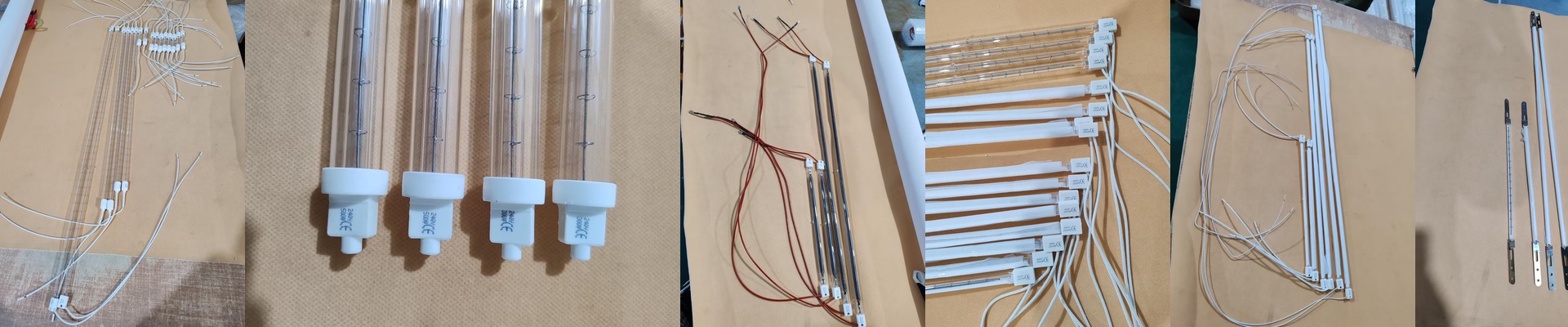
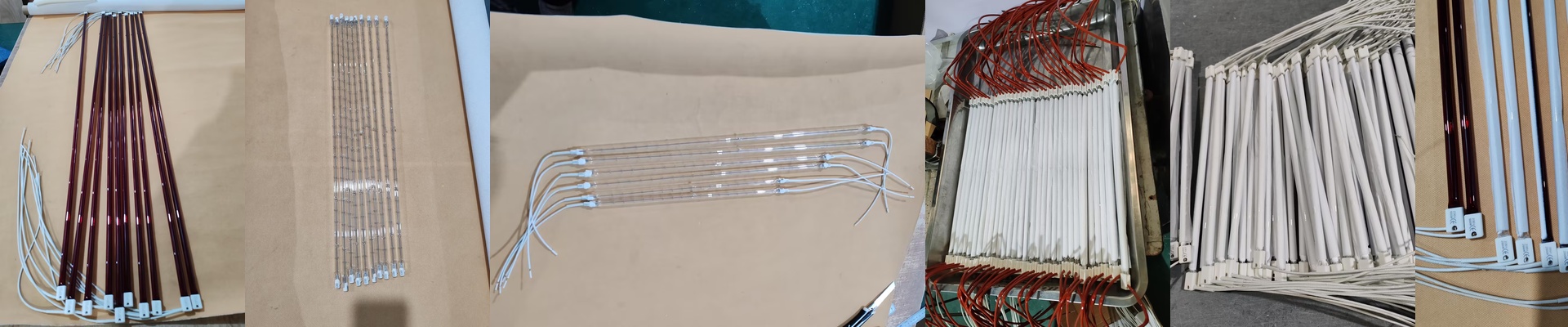
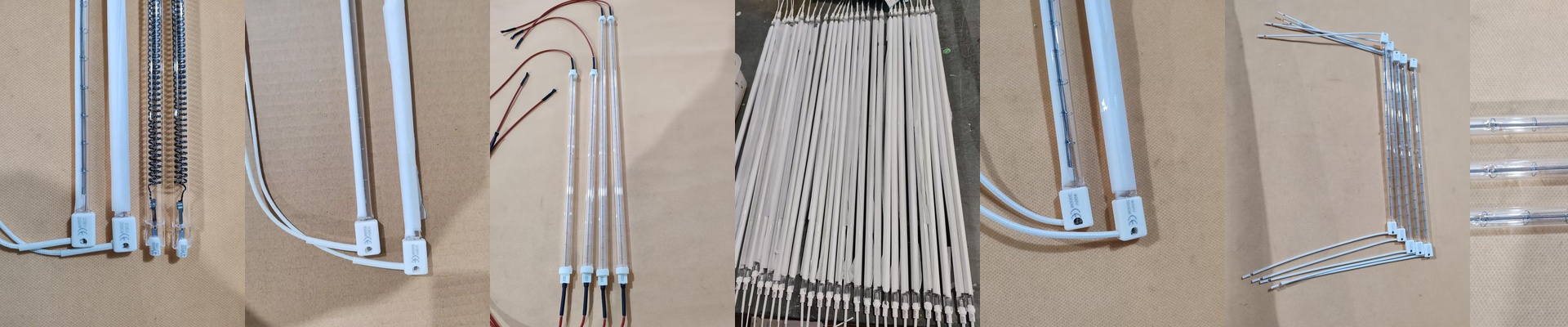
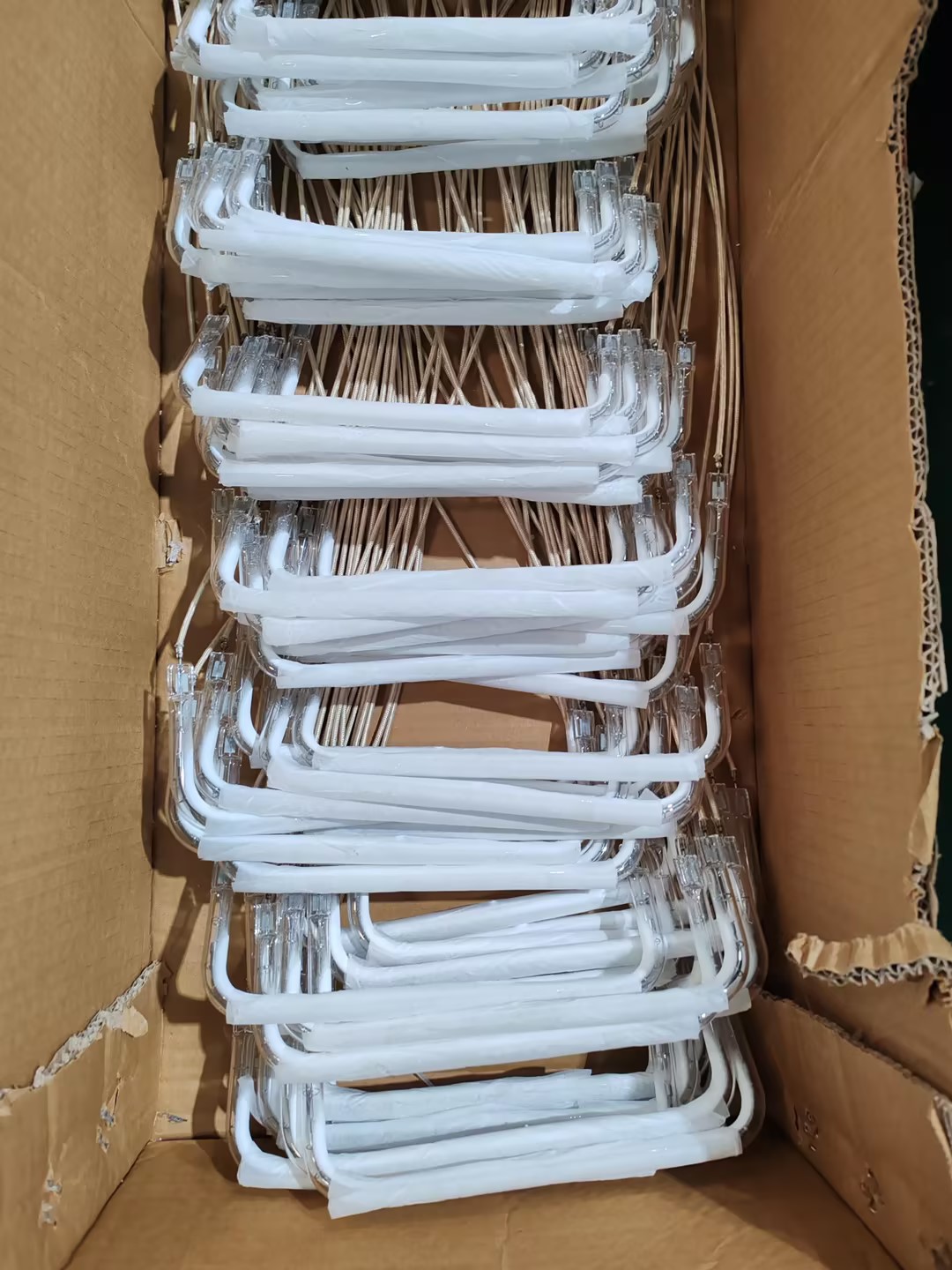
If you’ve ever dealt with slow drying times or fabric that just won’t cure, you know how frustrating it is. That’s why we build our halogen heating elements the way we do. Instead of those old-school resistive coils that take forever to warm up, we use a tungsten filament inside a quartz tube, pumped full of halogen gas. This keeps the filament from burning out even when it’s screaming hot. The result? A punch of short-wave infrared energy that sinks deep into synthetic fibers almost instantly. It doesn’t just sit on the surface; it actually gets inside. Let’s talk power. When you’re picking out a lamp, the wattage-to-length ratio is the big thing to watch. If you cram high wattage into a short tube, you get an intense heat zone. This is a lifesaver when you’re trying to flash-dry moisture out of heavy, thick fabrics. We keep these in standard industrial voltages so they play nice with your existing power grid. Now, going with a high-voltage setup is great because it saves space and pulls less current. Just a heads-up: make sure your controllers can handle those switching transients, or you’re going to have a bad time. The nitty-gritty on quartz and connectors. We use quartz glass because it lets the IR radiation fly right through without soaking up the heat. But the real secret is in the connection. We use R7s or Sk15 connectors to keep things tight. Why? Because a loose connection is a disaster waiting to happen. It’ll arc, and before you know it, you’ve melted your socket. And for those of you worried about scorching the top layer of your fabric, we’ve got you covered. Some of our tubes have a special coating that shifts the heat spectrum. It lets the core of the material hit the target temperature without burning the surface. The trade-offs (because nothing is perfect). The best part about these lamps is that they’re basically drop-in replacements for most industrial drying tunnels. They heat up instantly. That means when your line stops, you can kill the power immediately and stop wasting electricity. But here’s the catch: quartz is fragile. One clumsy move during install or a stray chemical splash on the tube, and the lamp is toast. You also can’t just let them hang there. You need a rigid mounting bracket to stop them from vibrating. If they shake too much, they’ll snap right at the seal. Simple, but it’ll save you a lot of headaches.