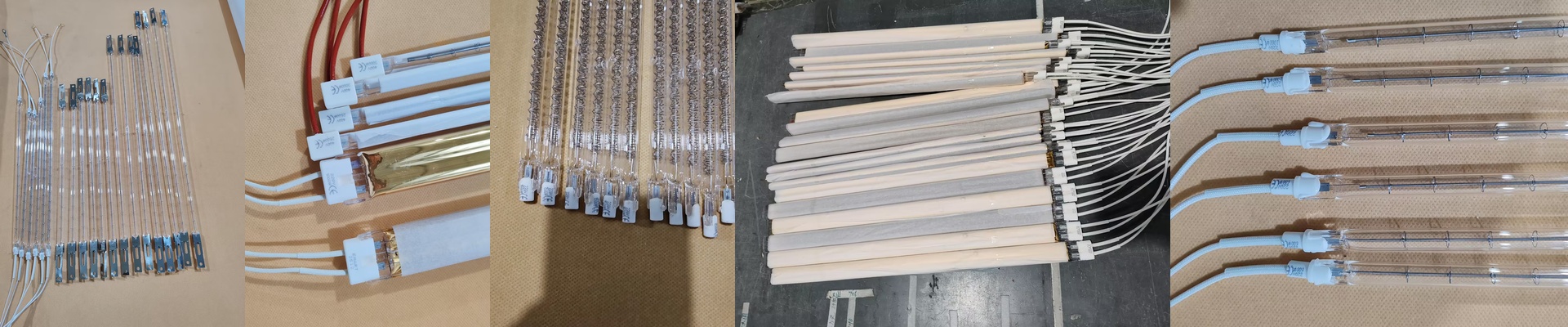
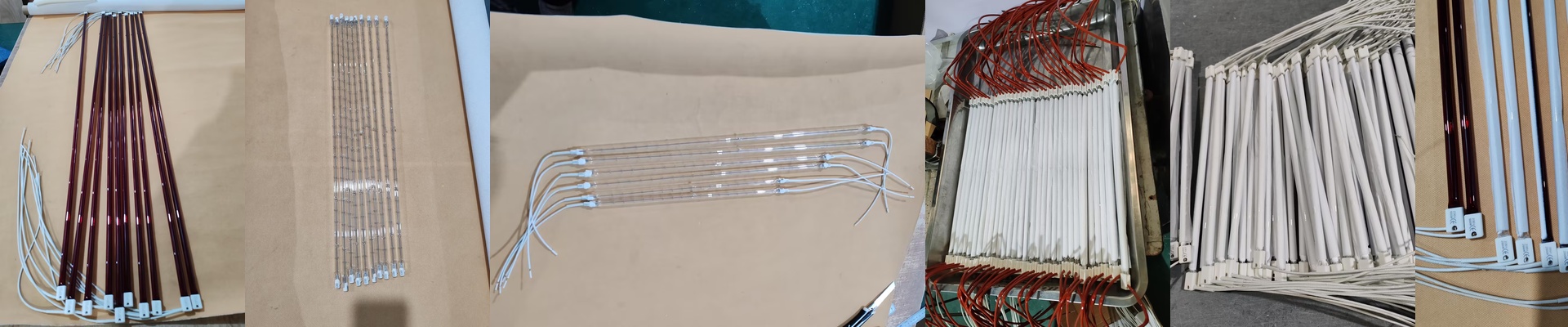
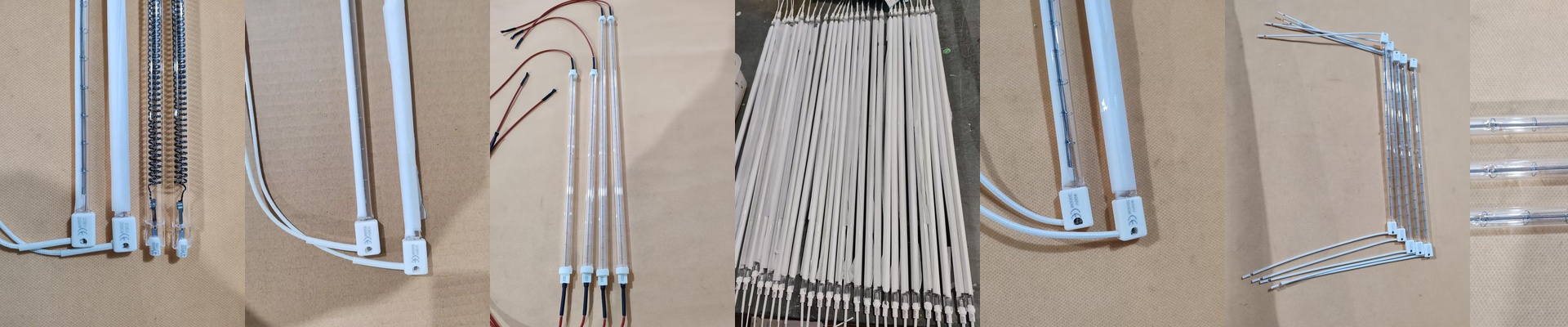
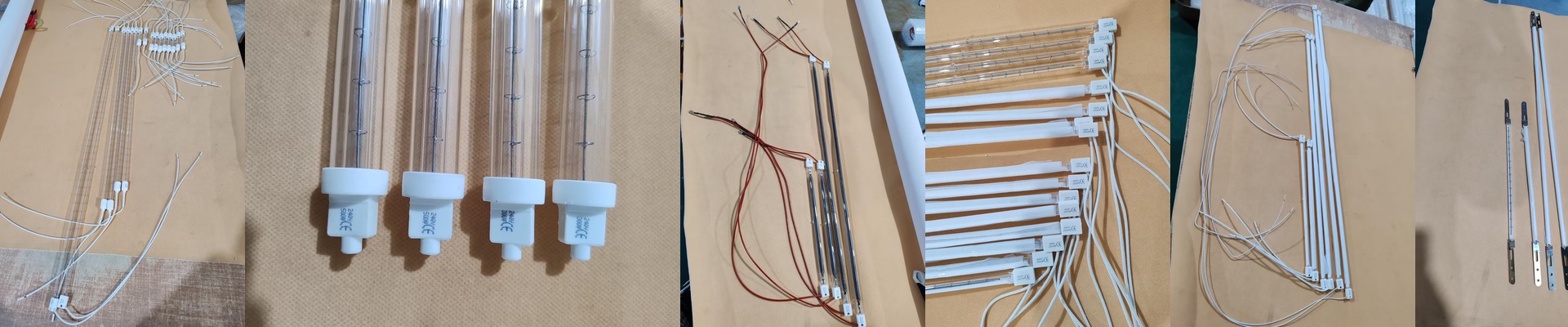
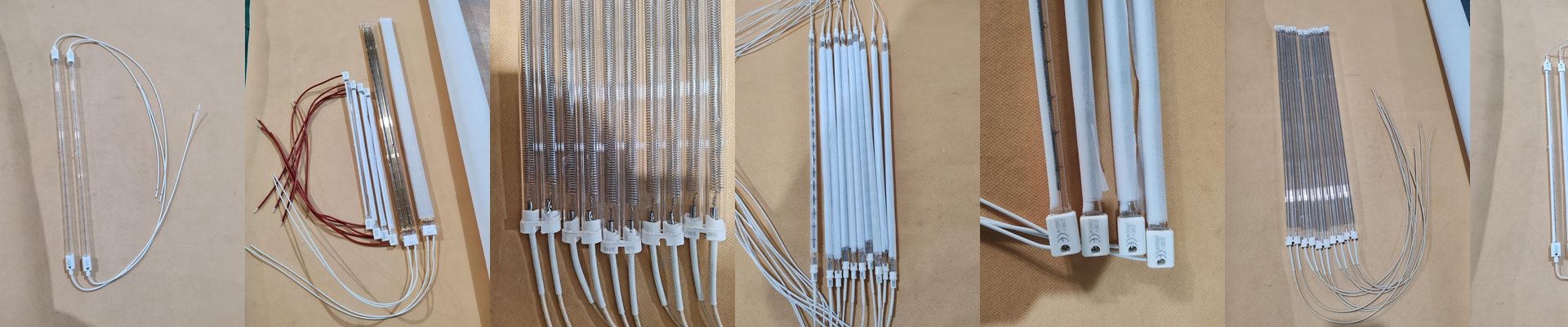
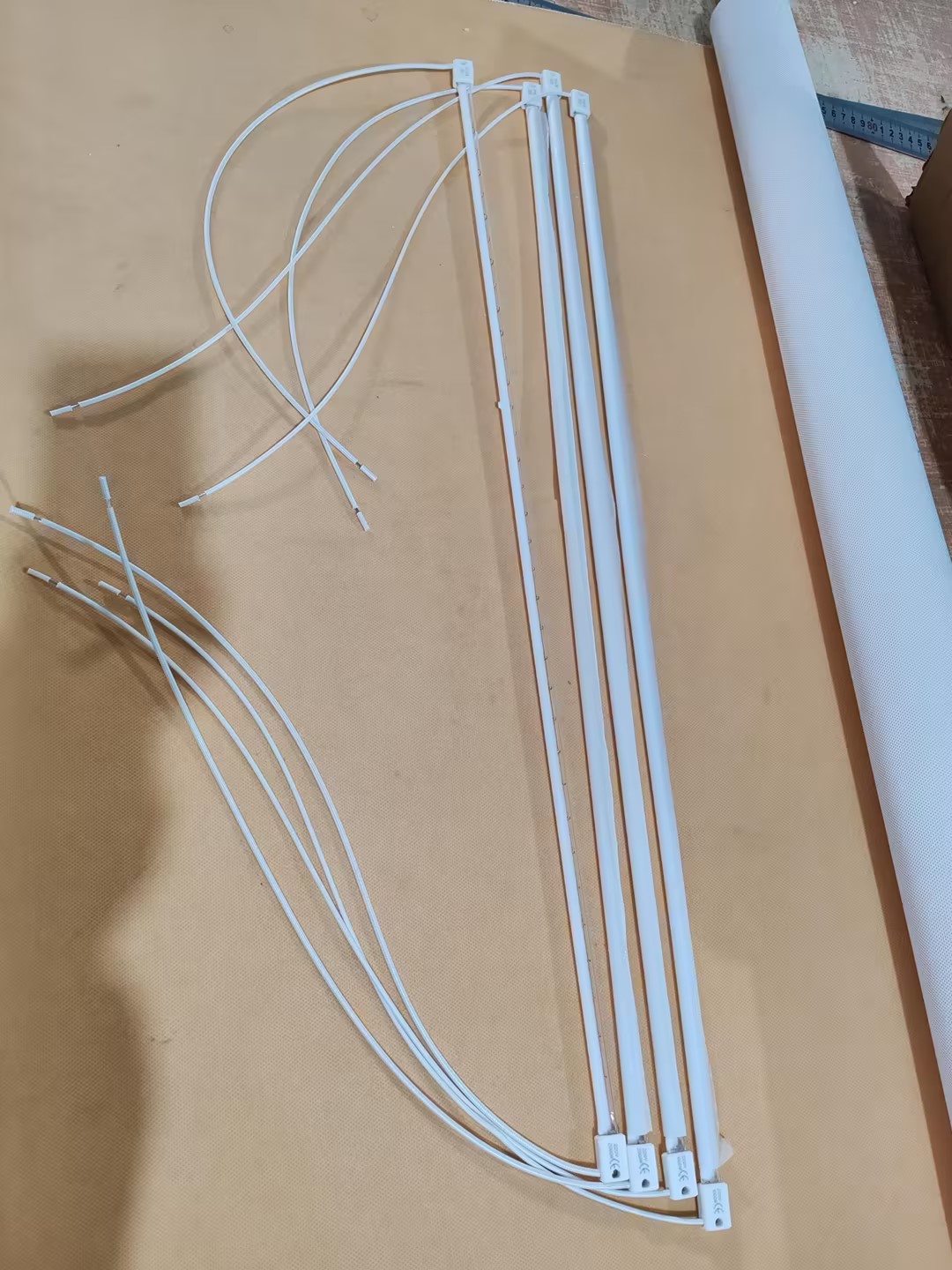
A Quick Guide to Our 220V 1000W Tungsten Halogen Lamps
If you’re looking for high-intensity infrared heat, these lamps are built for exactly that. We use a specific halogen gas mix inside the quartz envelope to stop the tungsten from evaporating and clouding up the glass. Why does that matter? Because it keeps the lamp crystal clear. You get the same steady heat from day one until the filament finally gives out. Let’s talk power. At 220V and 1000W, these things hit hard and fast. That’s how you get those rapid ramp-up times your process needs. But here’s the catch: you’ve got to get your power supply right. If you push too much voltage, you’ll fry the filament in a few hours. Too little? You’ll never hit the temperature your material needs to actually work. It’s a balancing act. The quartz side of things We use quartz glass because it can take the brutal heat of the tungsten coil without warping. These lamps push out short-wave infrared radiation, which is great because the heat actually sinks into your material instead of just heating up the air around it. One huge warning, though. Quartz hates skin oils. If you touch the glass with your bare hands while installing it, you’re leaving fingerprints that turn into “hot spots.” When the lamp heats up, those spots can cause the glass to snap. Wear gloves. Or, if you already touched it, wipe the tube down with some alcohol before you flip the switch. Getting them into your line These are basically plug-and-play for PET blowing, plastic welding, or curing lines. 1000W is usually the “sweet spot” for medium heating zones. Just make sure your housing can breathe. These lamps put out a massive amount of heat in a small space. If the back of the assembly is choked for air, you’re going to melt your wiring and connectors. Give them some room to vent.