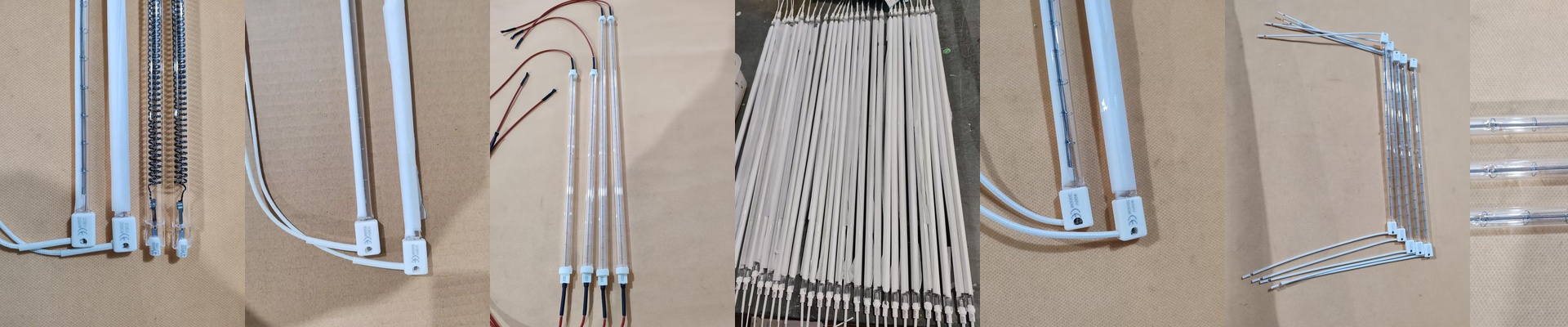
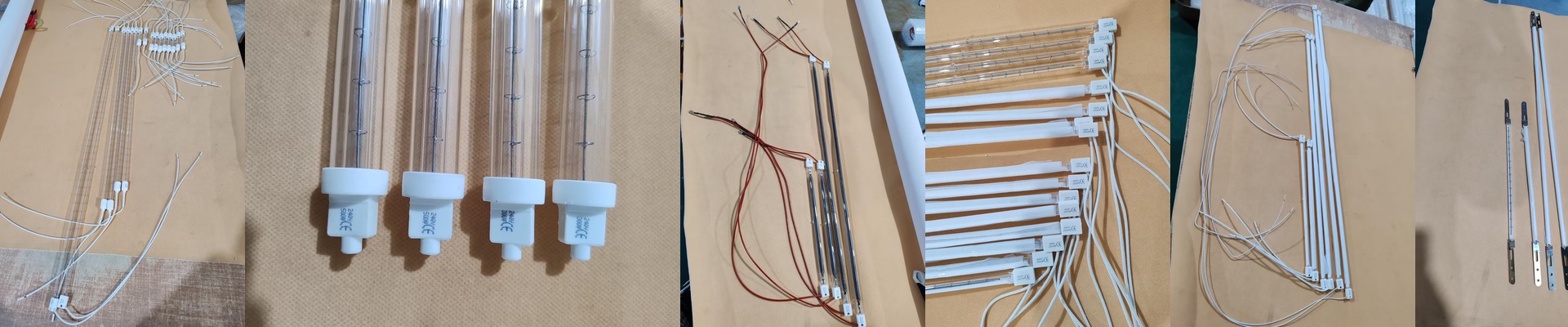
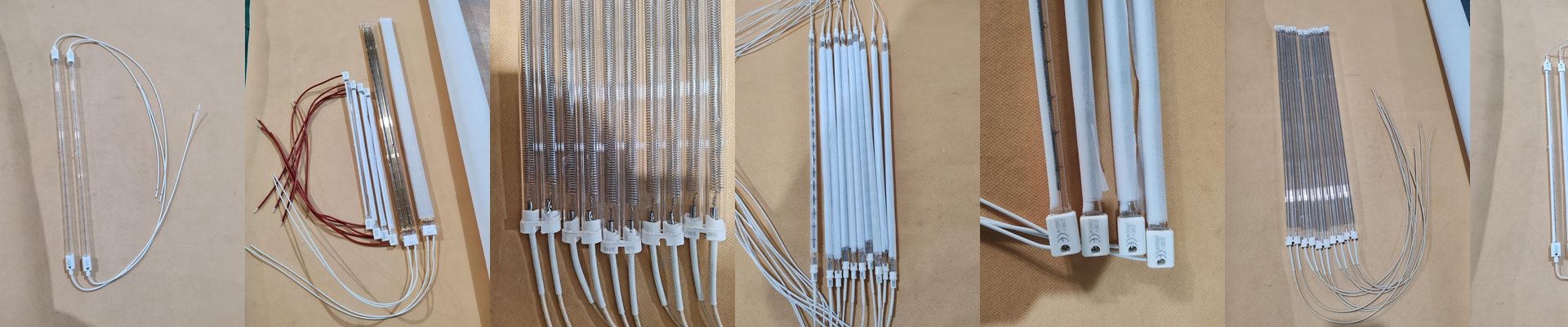
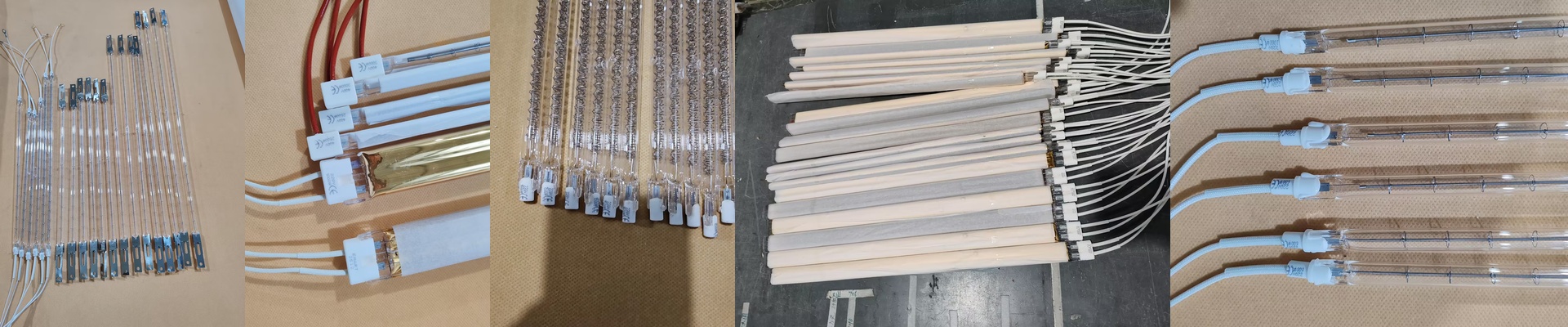
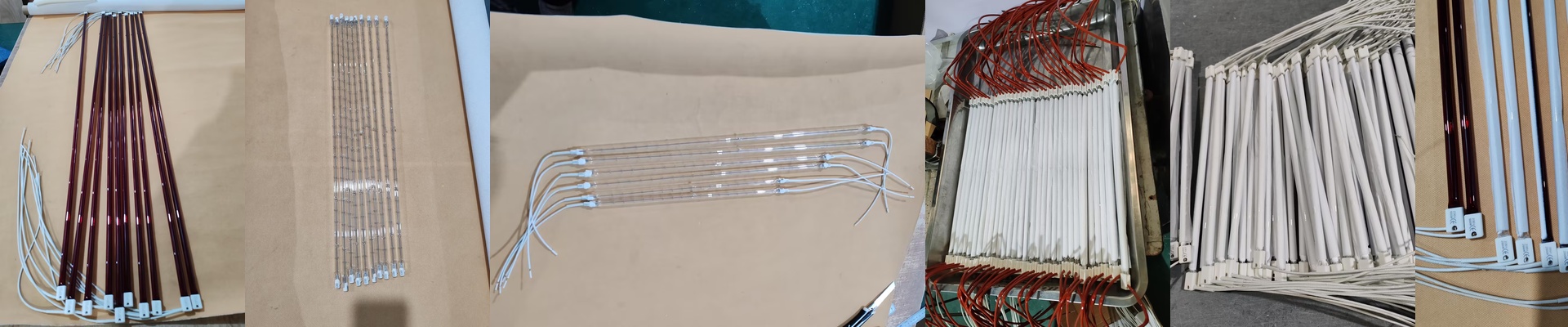
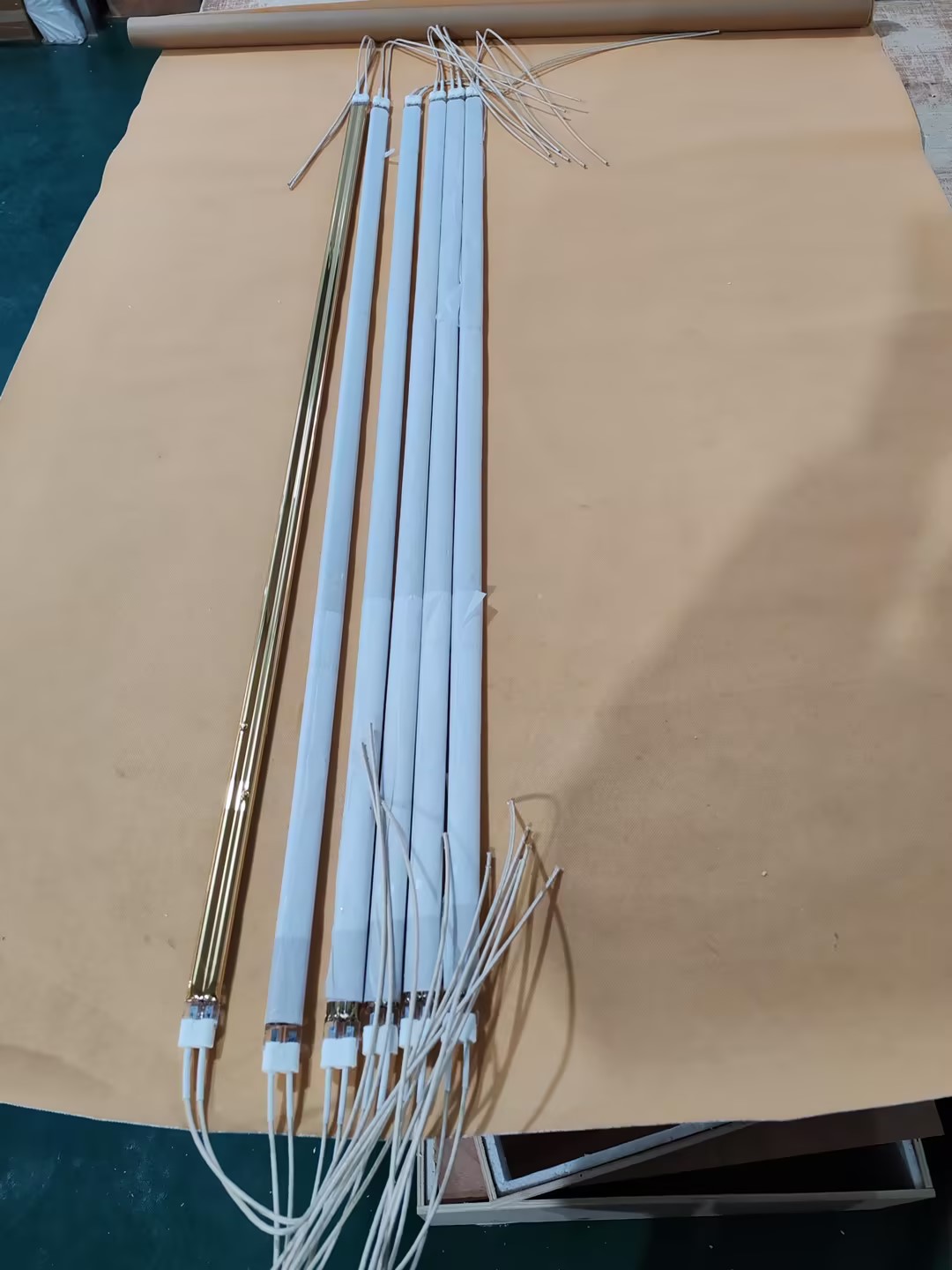
Let’s talk about Ceramic Holder Halogen IR Lamps
We built these round ceramic halogen lamps for those nightmare scenarios where the heat is just too much. You know the kind—where standard sockets basically turn into puddles of melted plastic and fail right when you need them most. By using a ceramic holder, we basically move all that brutal thermal stress away from the electrical contacts. It keeps your terminals from burning out, even when you’re running high-wattage cycles all day long. The nitty-gritty on power and heat These lamps use short-wave infrared radiation. Because of the halogen cycle, the tungsten filament actually regenerates itself. That means you can crank up the heat without the bulb turning black and dying on you. When you’re picking your specs, keep an eye on the voltage-to-wattage ratio. If you go with a higher voltage, you can pull less current. That’s a win because it lets you use thinner wiring throughout your machine. But here’s a pro tip: keep your reflectors clean. If they’re pitted or covered in grime, you’re just wasting energy. The heat won’t bounce where it needs to go. Why the materials matter The quartz envelope is what handles the wild temperature swing between the white-hot filament and the air around it. We stuck with ceramic holders because they don’t warp. Plastic just can’t handle this kind of heat. If a lamp shifts even a little bit in its holder, you’re asking for trouble. You’ll get uneven heat and, worse, you might see some arcing. Ceramic keeps everything locked in place. Getting them installed (and what to watch for) These are designed to be simple drop-in replacements for your existing IR arrays. Just hook them up to a PID controller, and you’ve got precise temperature zoning. One thing, though. Be gentle. The ceramic base can take a beating, but the quartz tube is fragile. Make sure your mounting brackets aren’t squeezing the tube. If there’s too much pressure, the glass will snap as it expands from the heat. Also, don’t forget your cooling fans. You don’t want the ceramic base soaking all that heat back into your chassis.