Swapping Out Your Infrared Heaters in Automotive Molding
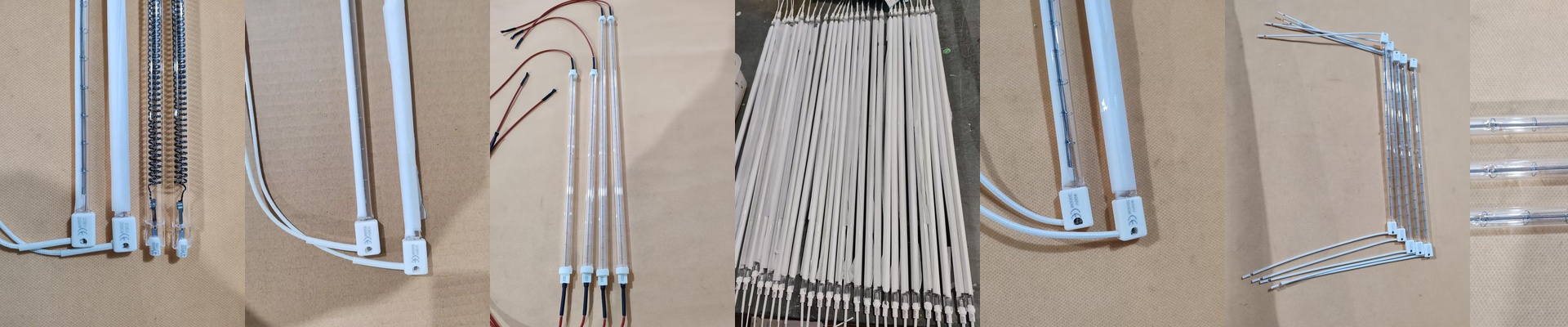
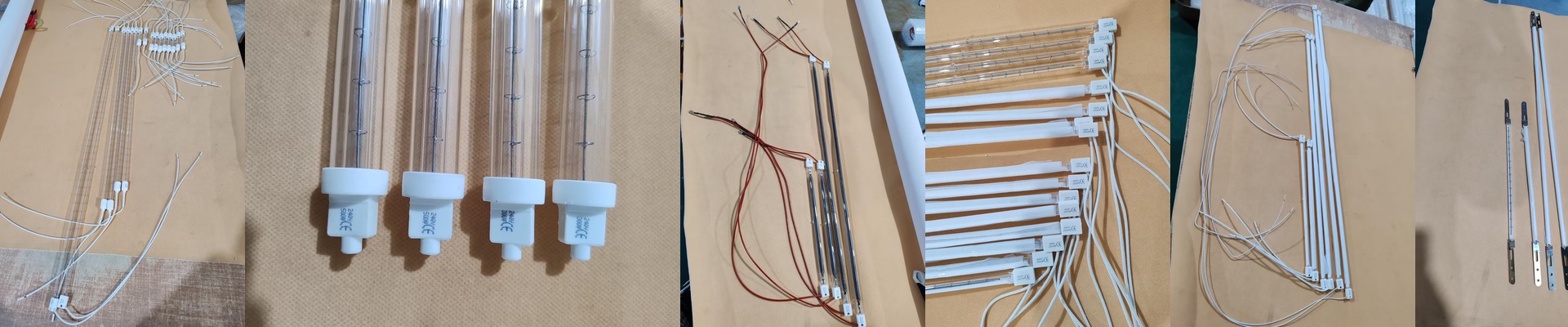
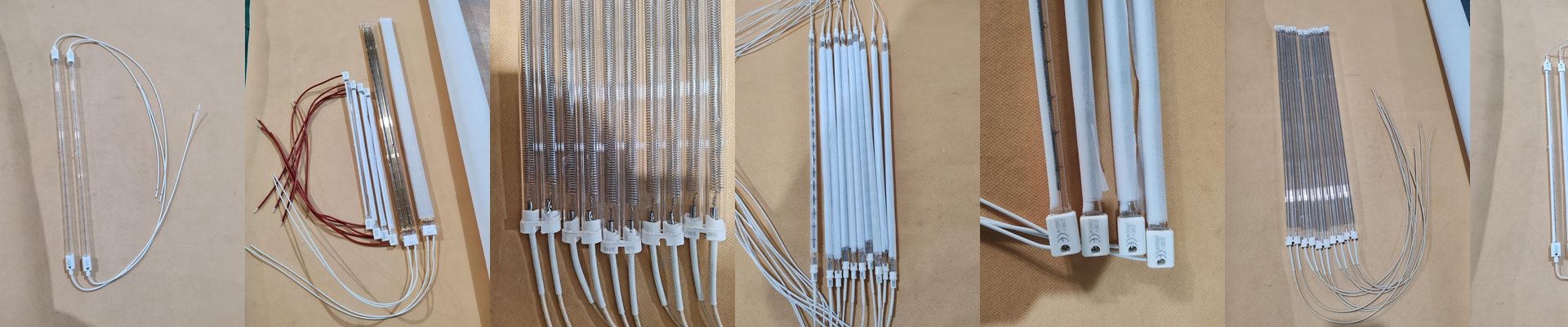
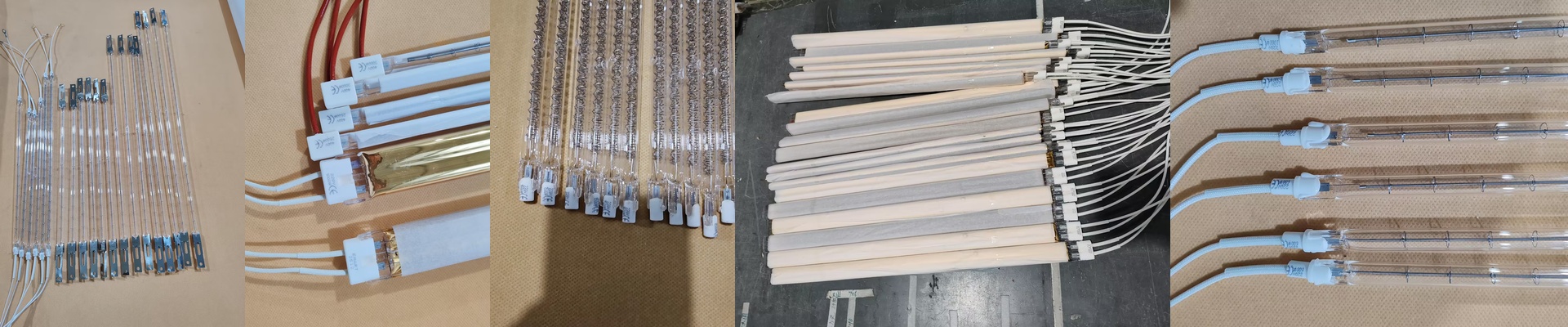
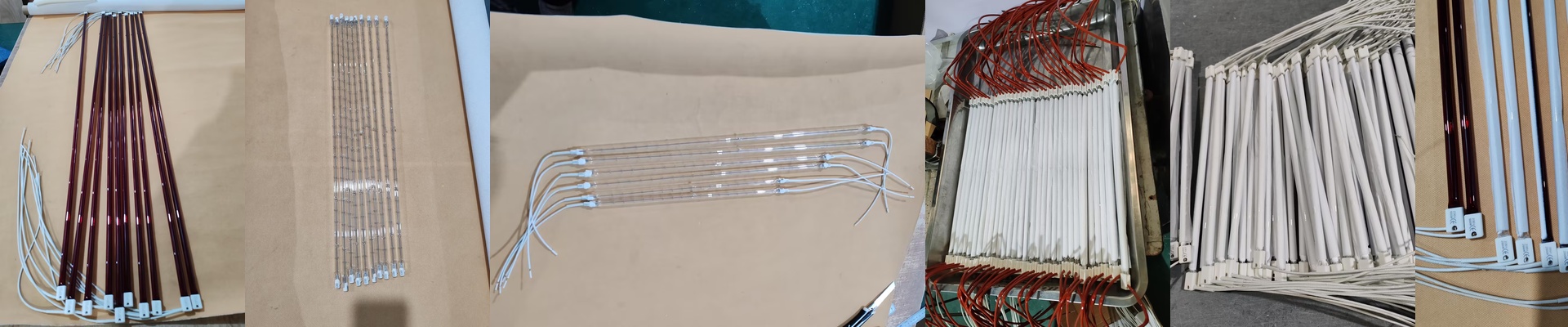
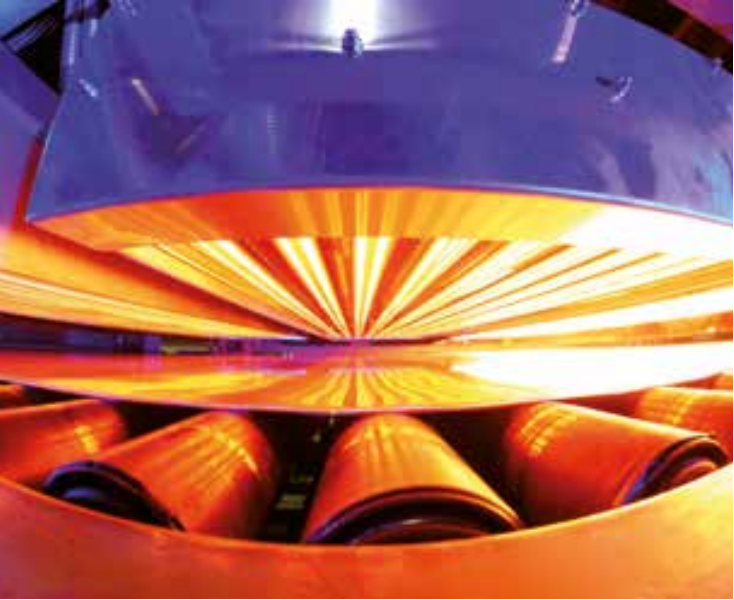
Most automotive molding lines start their life with European infrared systems. Those brands basically write the rulebook for how much heat you need and how fast your cycles should run. Now, when we talk about switching to a domestic “drop-in” replacement, let’s be clear: this isn’t just about cutting costs. It’s about the physics. You need the heat to behave exactly the same way it did before. The nitty-gritty on heat If you’re replacing a high-end European heater, you have to obsess over the wattage-per-centimeter. Especially with short-wave quartz lamps. You want to hit that peak temperature perfectly—no undershooting, and definitely no overshooting. I spend a lot of time looking at the filament and the purity of the quartz. Why? Because if the glass grade is even slightly off, the transmission rate shifts. That’s how you end up with plastic parts that are either under-baked or, worse, scorched. Making it actually fit A “replacement” should mean you don’t have to touch your machine. Period. We make sure the footprints are identical. That means the connectors—whether you’re using a standard R7s or custom lead wires—and the physical length have to be spot on. If a lamp is off by just 2mm, it won’t sit right in the bracket, and then you’ve got a headache on your hands. We also use high-grade coatings to bounce the heat back toward the part. It keeps the housing from soaking up all that energy. You get the same punch of heat, but your power draw stays steady. The catch Here’s the thing: domestic alternatives can absolutely match the output of those big European brands, but you’ve got to keep an eye on your voltage. High-wattage IR lamps are picky. If your factory power is jumping around, those lamps are going to burn out way faster than they should. You need clean power to actually get the lifespan you’re paying for. Don’t expect 10,000 hours if your voltage is spiking. Get the specs right, stabilize your power, and your cycle times will stay exactly where they need to be.