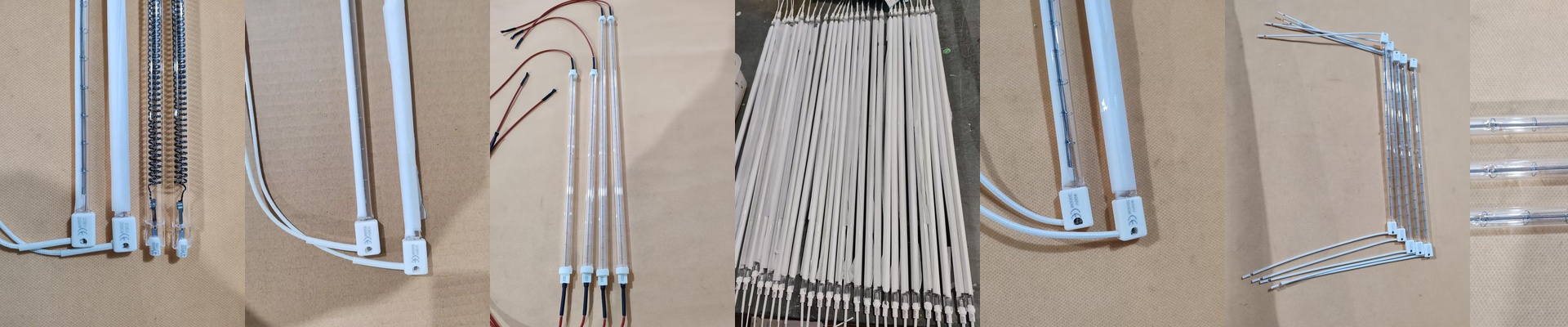
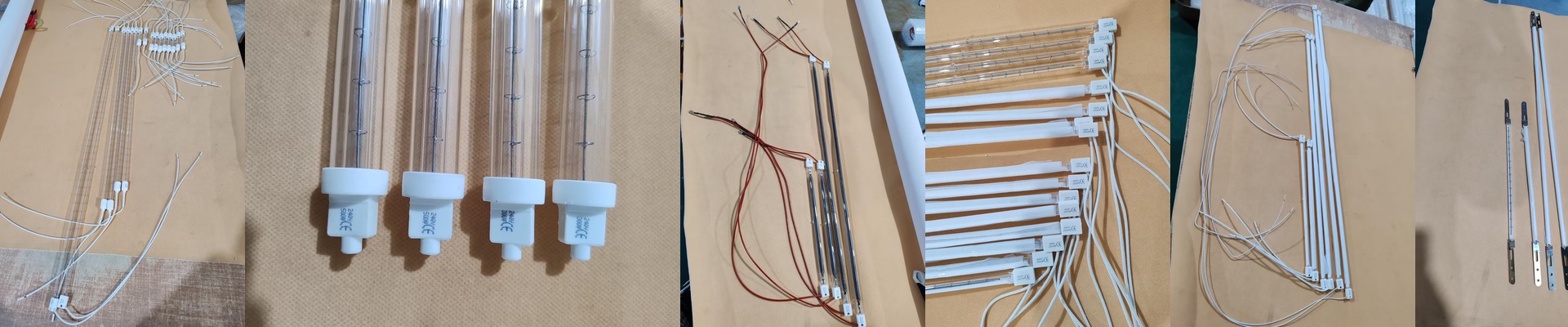
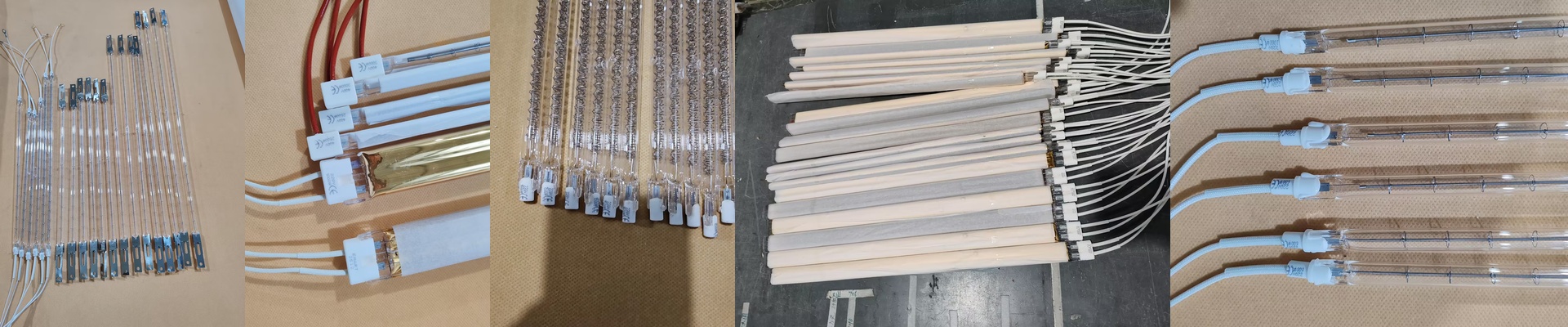
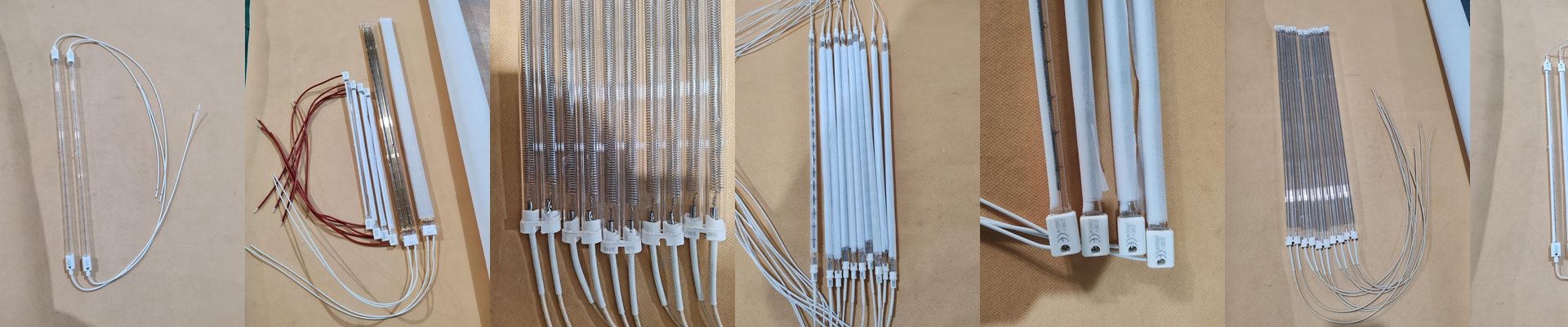
Stop Overpaying for Your Plastic Heating Lamps
Whenever I talk to buyers, they always ask for “cost-effective” solutions. But here’s the thing: people often confuse a low price tag with a good deal. In a factory, a cheap lamp that pops after two weeks isn’t a bargain. It’s a nightmare. Between the cost of the replacement and the hours of downtime, that “cheap” tube ends up being the most expensive thing in the room. We do things differently. We strip away the fancy brand premiums, but we keep the actual tech that stops your machines from crashing.
The Truth About the Price Tag
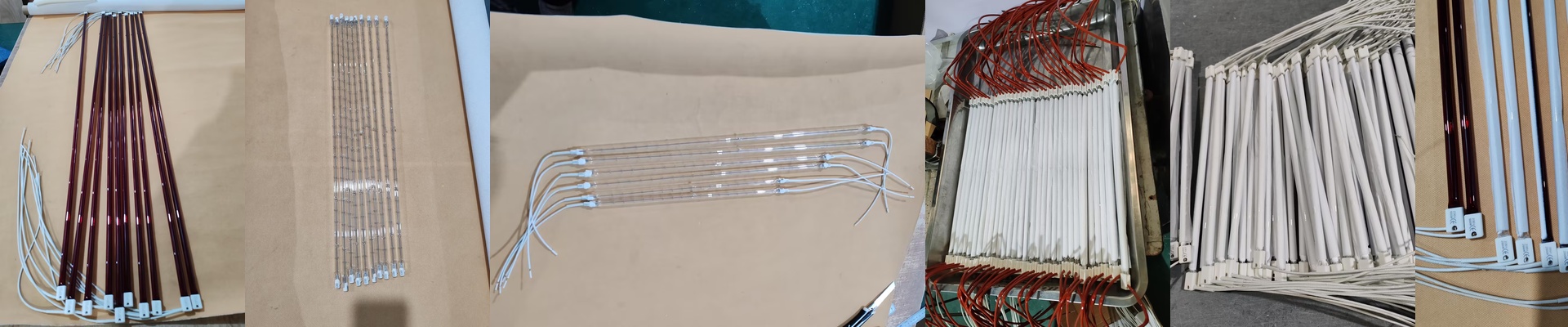
Most of the big-name brands charge you for the logo, not the quartz. We use the same high-purity fused quartz they do. Why? Because it’s the only way to make sure the tubes don’t warp when things get hot. We keep our tolerances on wattage and voltage tight, so you get the same heat density as the global leaders. You get the same infrared output. The same lifespan. You just stop paying for a corporate marketing budget.
The Nitty-Gritty Stuff
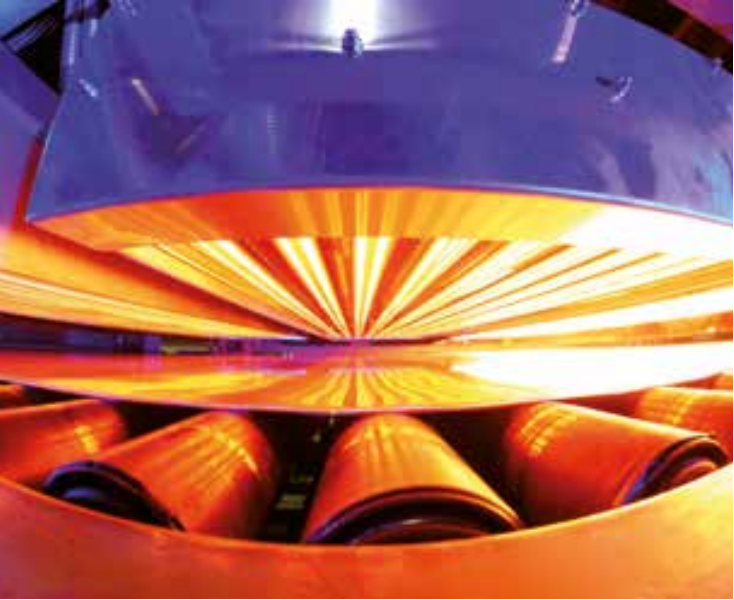
We use specialized coatings to change how the heat hits the plastic. Instead of just scorching the surface, the heat actually sinks in. Whether you need shortwave for a quick ramp-up or medium-wave to get deeper into the material, the chemistry is the same. It just works. And don’t worry about the installation. We use standard R7s or Sk15 connectors, so these are simple drop-in replacements. No rewiring, no headaches. One quick heads-up, though: if you push higher wattage into a smaller space, your lamp holders are going to feel it. Just make sure your cooling fans are up to the task. If they aren’t, you’ll melt your sockets regardless of who made the tube.
Where it Actually Matters
If you’re doing PET blowing or shrink wrapping, you know that consistency is everything. A tiny 2% slip in heat? That’s how you end up with a pile of deformed bottles and a very unhappy boss. That’s why we obsess over wattage tolerances. We keep your line running steady. We build these to take a beating in a real factory environment. No fluff. Just the gear your engineers actually need to get the job done.