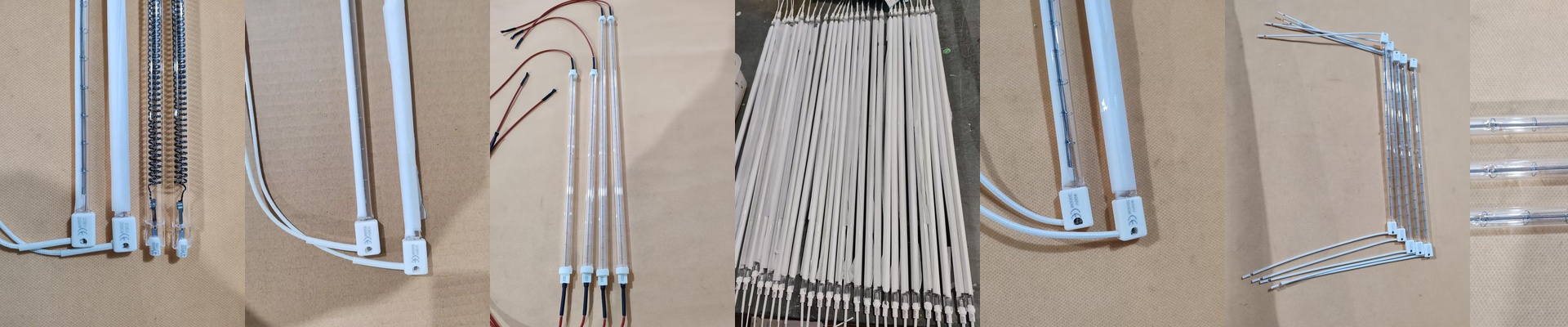
Why some lamps just keep going (and others don’t)
Here is a common mistake I see: buyers look at two infrared lamps, see the same wattage and the same size, and figure they’re identical. They aren’t. If you’re doing PET blowing or thermoforming, you’ve probably noticed that some lamps burn out in 2,000 hours, while others cruise past 8,000. It usually comes down to two things: the glass and the wire.
The secret is in the glass
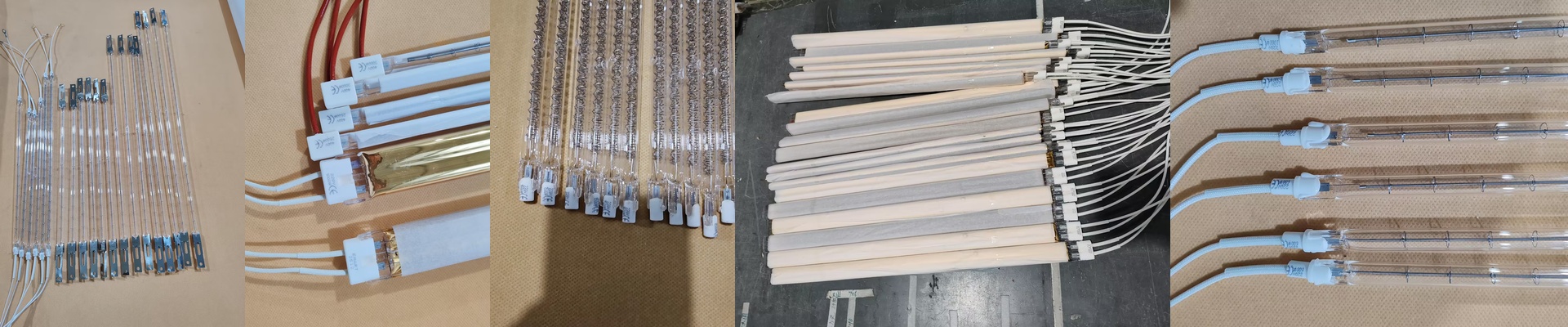
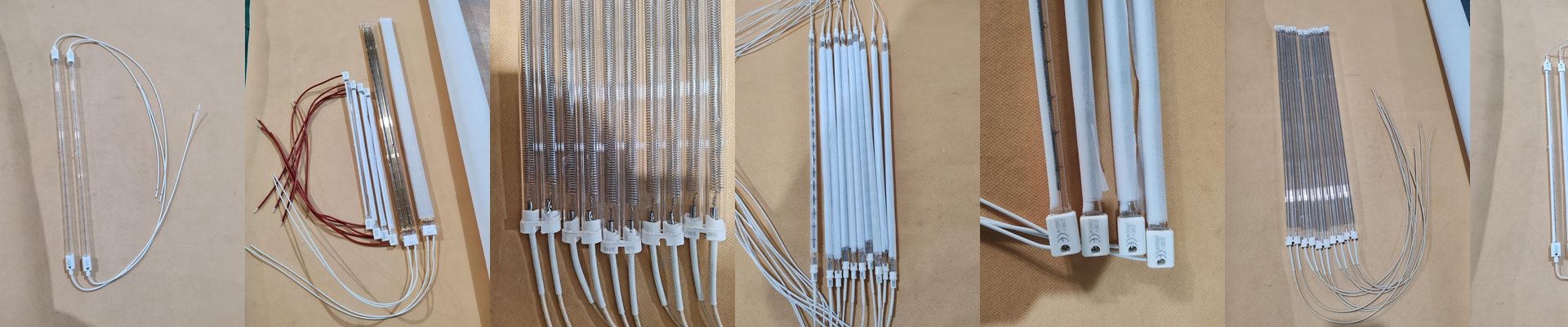
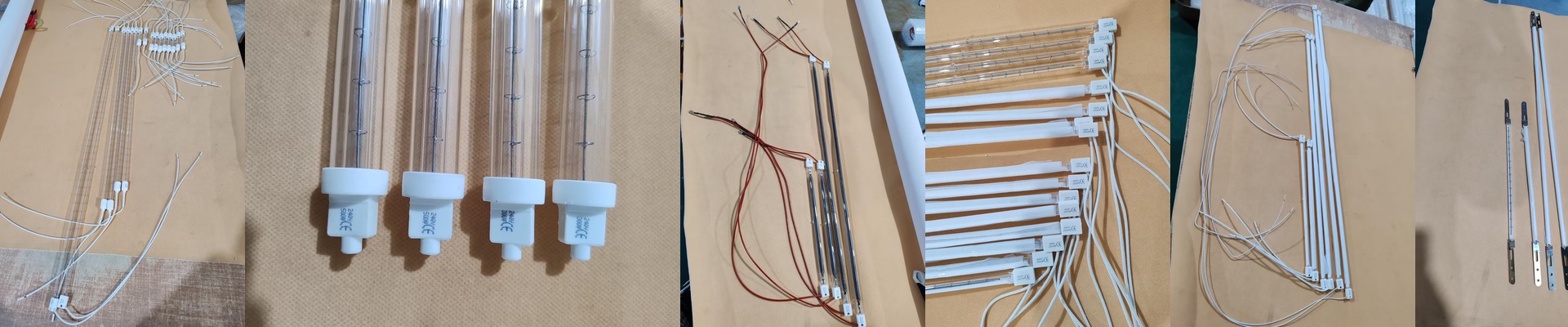
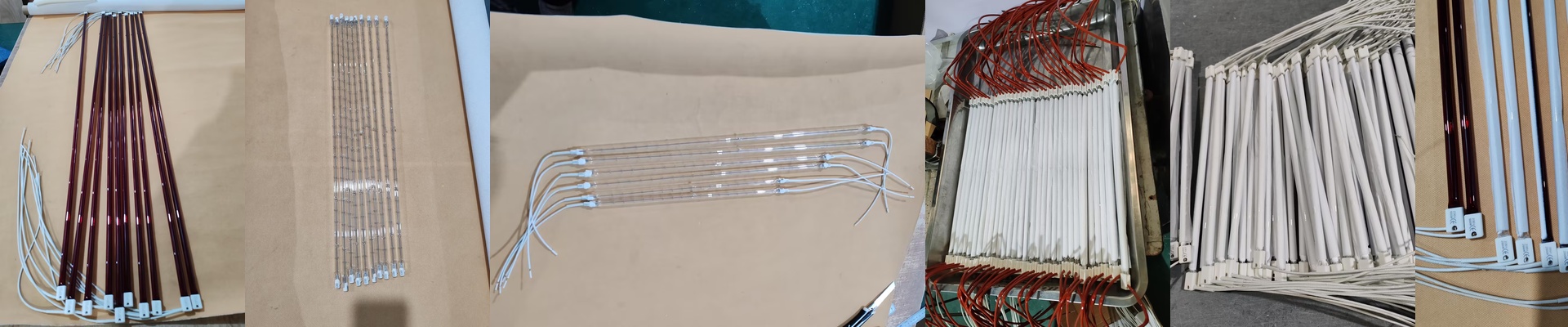
We use high-purity synthetic quartz. Now, that sounds technical, but here is what it actually means for you: cheap glass has impurities. When things get hot, those impurities migrate toward the filament and basically eat away at it. By using the same grade of quartz as the big global brands, we stop that chemical attack before it starts. Then there’s the filament. This is where the real fight happens. We use a specific tungsten alloy that doesn’t sag under pressure. Think about it—when a filament sags, you get hot spots. Those hot spots cause the metal to evaporate, and then snap. Your lamp is gone. We keep the tension tight and the alloy pure so the heat stays steady across the whole tube.
Handling the heat
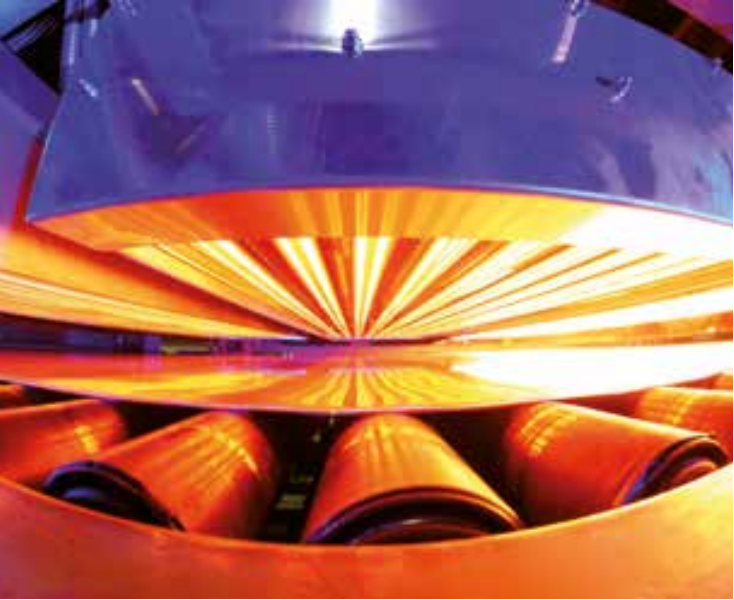
Matching the specs of a premium brand isn’t just about picking the right parts; it’s about how those parts survive the stress. High-wattage tubes have to soften thick plastic fast, which puts a ton of pressure on the seal where the glass meets the metal. We use a specialized sealing process to keep air out. If a tiny bit of air leaks in, the filament oxidizes and pops instantly. One quick tip: these high-output lamps get incredibly hot. If your oven’s ventilation isn’t quite up to scratch, that heat soaks back into the lamp ends. That’s a fast way to fry your connectors.
Better stability, less headache
We’ve built a drop-in replacement that gives you that top-tier stability without the “big brand” price tag. You get the same heat profile and the same light output. But the real win? You get a predictable heating cycle and way fewer midnight calls to swap out dead lamps. It just works.