Stop Bleeding Cash on Your IR Lamps
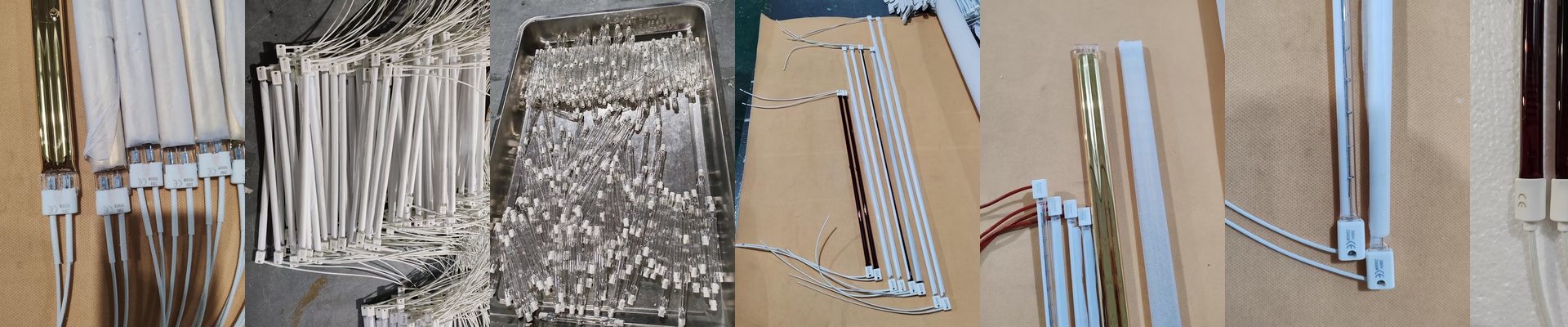
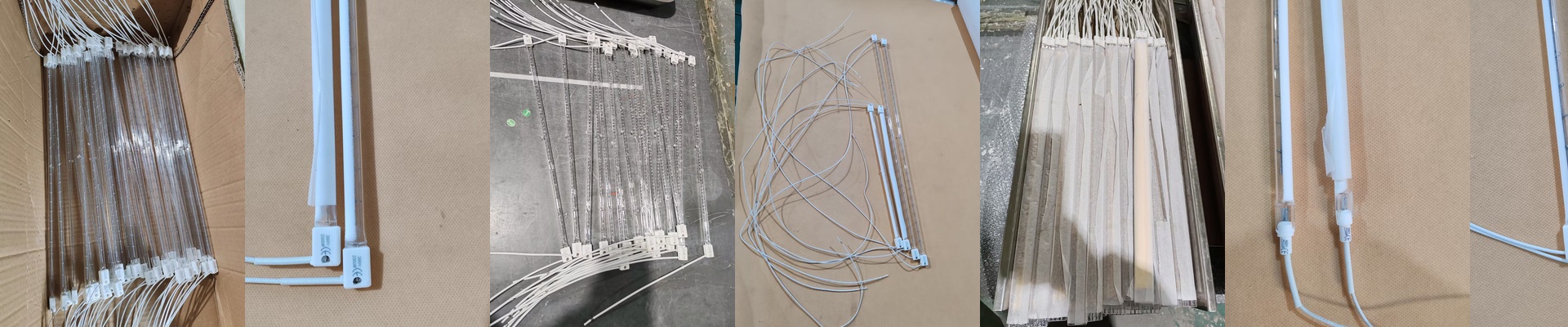
If you’re running a big plastic plant, you know the drill. You’re constantly swapping out imported infrared lamps, and the costs just keep piling up. It’s especially brutal on PET blowing and shrink-wrap lines where the heat needs to be intense. Most people just look at the price tag of a single bulb. But the real killer? It’s the total cost of keeping those lines moving all year long.
The Heat Factor
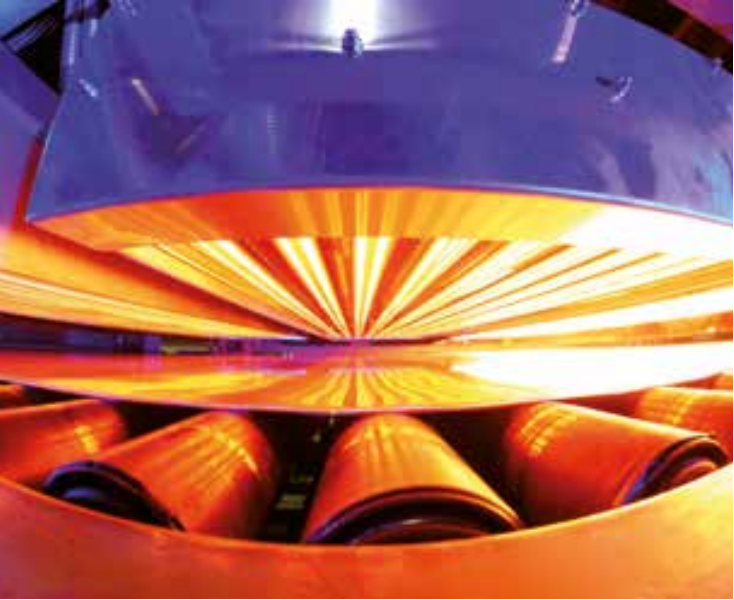
Here’s the thing: if you want your production line to move faster, you need more heat, and you need it now. We build our lamps with high wattage and a specific voltage setup. The goal is to get the heat deep into the plastic without burning the surface to a crisp. By running a 400V system, you’re pulling less current. That’s a big deal. It means your wiring doesn’t get as hot, and you aren’t constantly chasing blown fuses during your busiest cycles.
The Tech Under the Hood
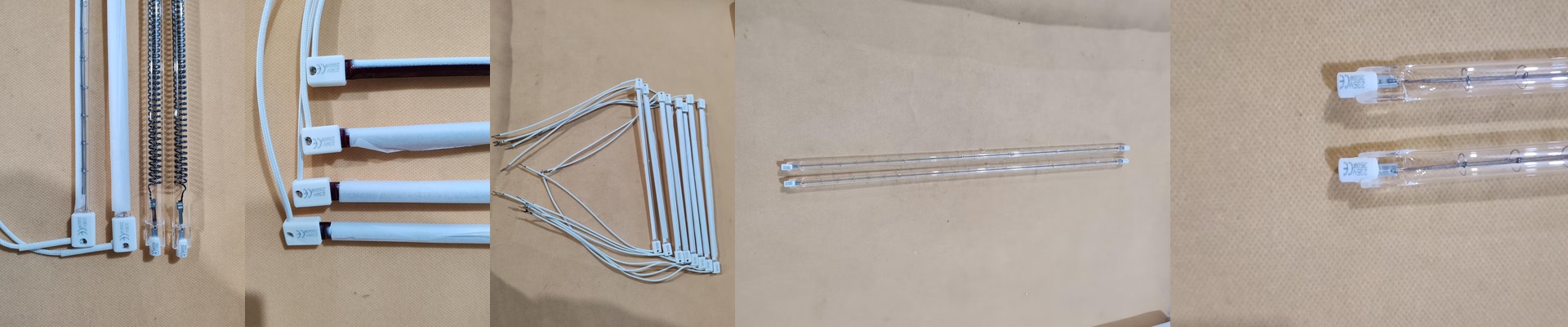
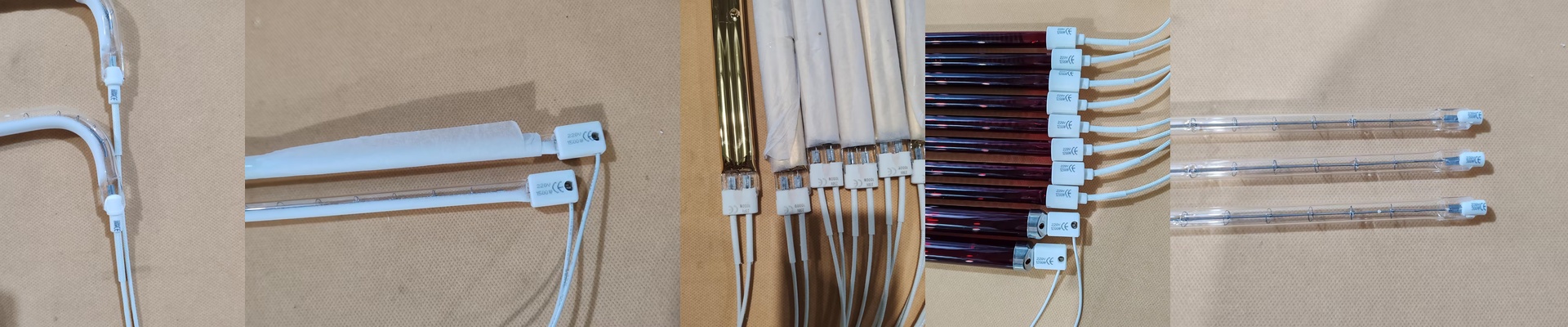
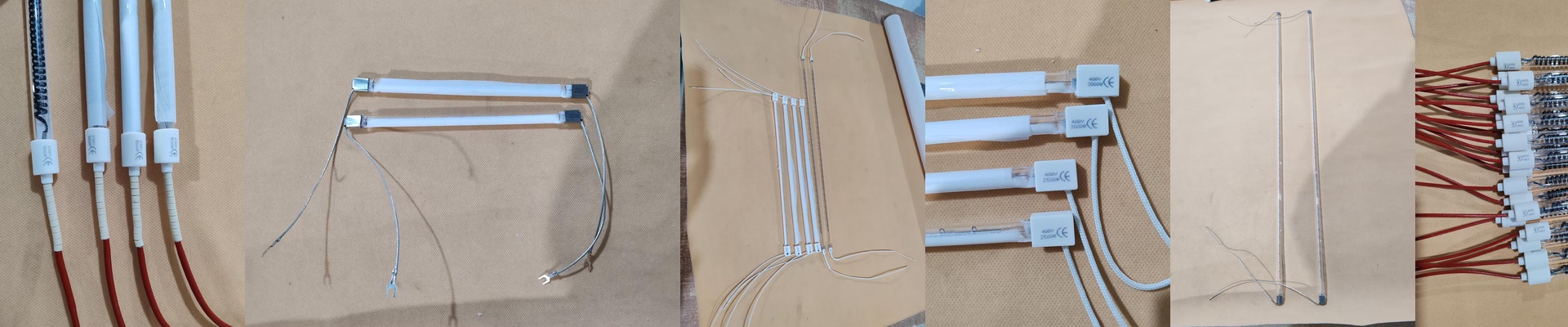
We use heavy-wall quartz tubing. Why? Because rapid heating and cooling is a shock to the system, and cheap glass just can’t handle it. Inside, the tungsten filament uses a halogen cycle. This keeps the quartz clear. Once a tube starts to cloud over, your heat transfer tanks and your cycle times crawl. It’s frustrating. And don’t worry about the install. We use standard R7s or Sk15 connectors. They’re basically drop-in replacements. You won’t have to rip apart your panels or rewire a single thing just to make the switch.
Real Talk: The Shop Floor
Let’s be honest—you don’t need to import your lamps anymore. Domestic premium options now last just as long as the high-end stuff from overseas. Plus, you don’t have to wait 12 weeks for a shipment to arrive while your line sits idle. But there’s a catch. High-wattage shortwave lamps put out an incredible amount of localized heat. If your cooling fans are clogged with dust or just too small for the job, you’ll fry your sockets. It doesn’t matter how expensive the lamp is; if there’s no airflow, it’s going to fail. Keep your vents clear. It sounds simple, but we’ve seen plants save millions in annual maintenance just by switching their sourcing and actually sticking to a cleaning schedule.