Thinking About Switching Your IR Suppliers for Automotive Molding
If you’ve spent any time in automotive injection molding, you know the drill. You’re fighting a constant battle against warping and those annoying stress marks. To keep things precise, most Tier 1 shops have leaned on the big European infrared brands for years. But things are changing. I’m seeing more and more engineers look at domestic options. Why? Because they want to stop overpaying without slowing down their cycle times.
How to actually build trust in a new part
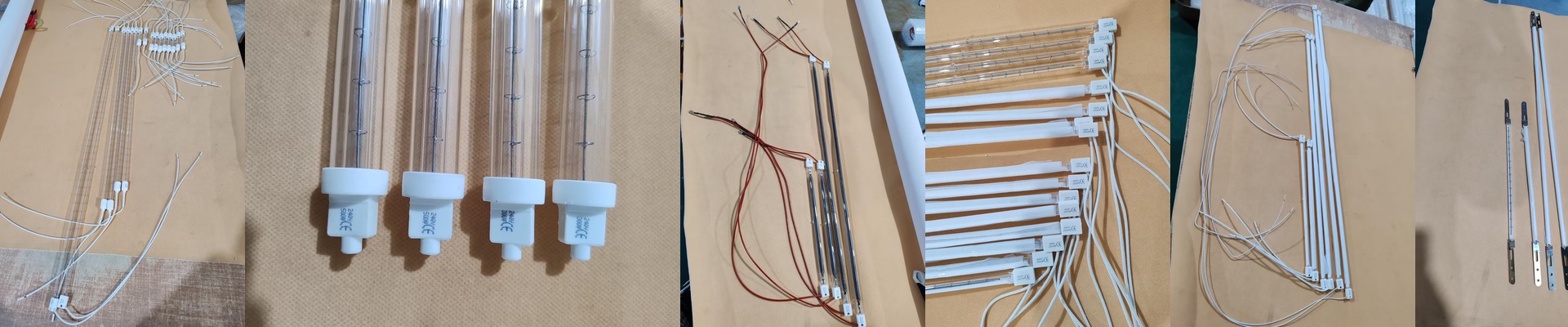
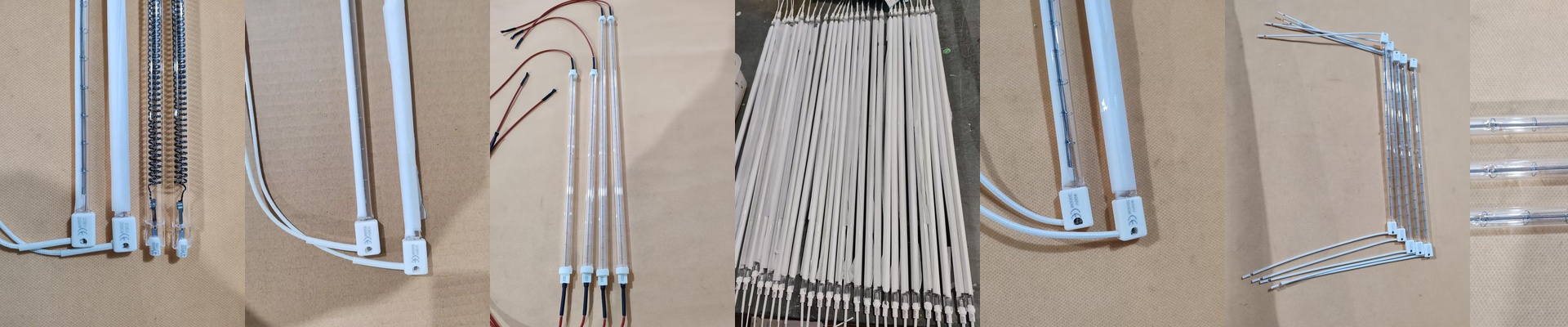
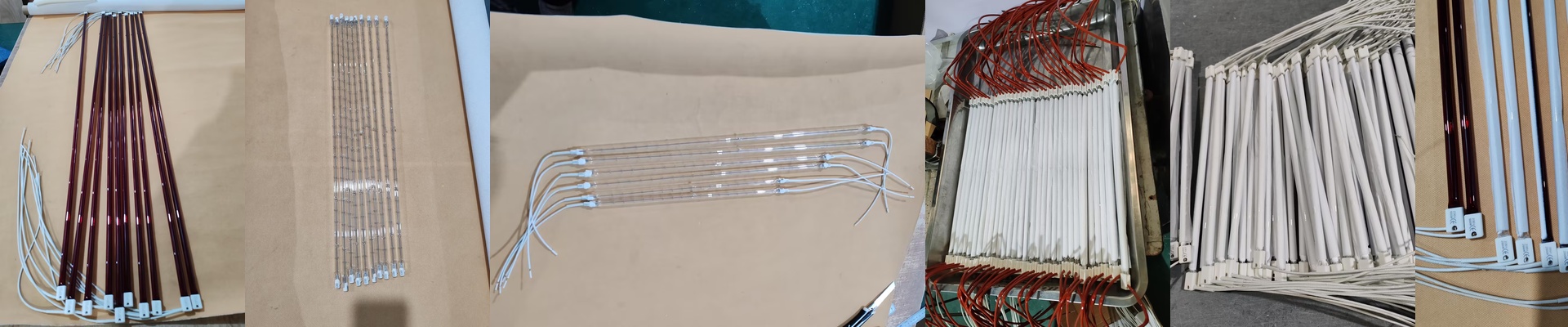
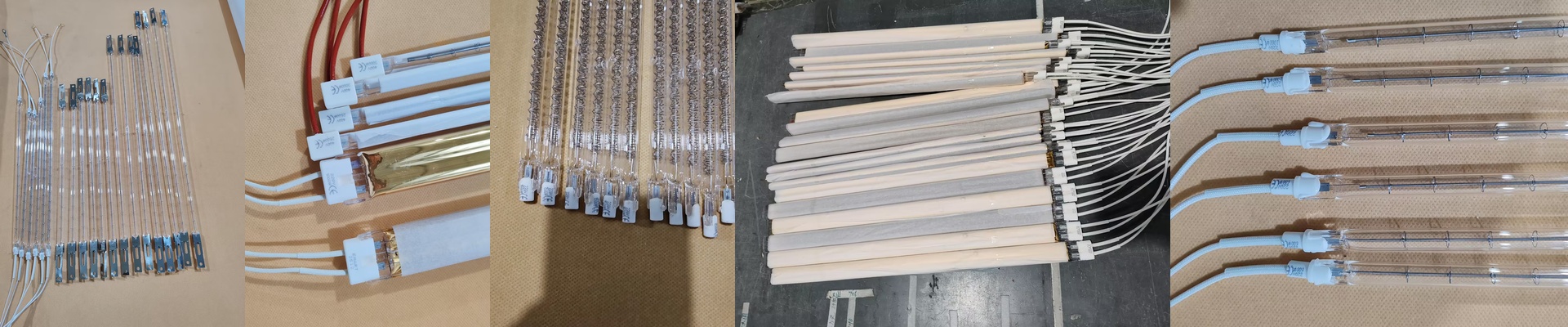
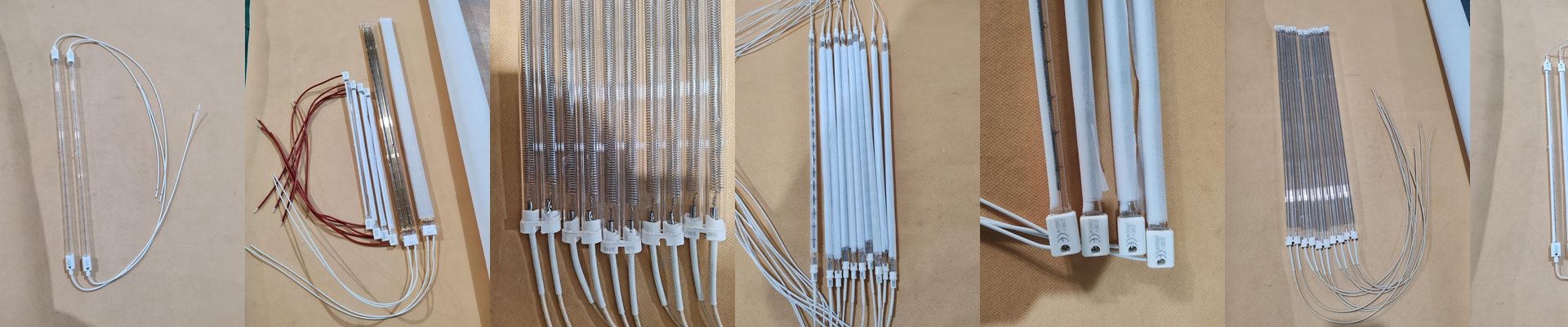
Look, you don’t swap out a heating element just because a brochure looks pretty. That’s a great way to break a machine. You do it because the watt-density and spectral output are a match. When we replace a high-end European lamp, we aren’t guessing. We match the voltage and wattage exactly. If you don’t, your PID controller is going to freak out and throw an error code. Plus, if you’re using a short-wave quartz lamp, the replacement has to hit that same peak wavelength. If it doesn’t, the heat won’t penetrate the plastic the same way, and your parts will suffer. Then there’s the “drop-in” fit. This is the part that actually matters on the shop floor. We make sure the lead wire gauge and the connector footprint are identical. If the lamp isn’t sitting perfectly, you get hotspots. And hotspots mean burnt resin. Nobody wants that.
The honest truth about the trade-offs
Here’s the thing: domestic lamps usually put out the same raw heat, but the lifespan can vary. A premium lamp might go 10,000 hours. A more budget-friendly version might hit 7,000. It sounds like a loss, but you have to look at the math. If the new lamp is 40% cheaper but you have to change it 20% more often, you’re still coming out ahead on the balance sheet. It’s just a different way of managing the cost.
Getting it onto the floor without the headache
My advice? Don’t go crazy and swap every heater in the plant on a Monday morning. That’s a recipe for a nightmare. Start small. Pick one machine. Run a 48-hour stress test and keep a pyrometer handy to check the surface temperature of the mold. Once you see that the thermal profile looks just like the European benchmark, then you can start scaling it across the line. It takes a little longer, but it means you aren’t risking a total production shutdown.