Stop Overpaying for Your Infrared Heaters
Let’s be honest. A lot of automotive molding shops are stuck using European infrared heaters because that’s “just how it’s always been done.” Those brands are great for stability, sure. But the price tag on replacement parts? That’s where it hurts. It eats your margins alive. Lately, I’ve seen more and more engineers making the jump to domestic “drop-in” replacements. They’re finding a way to slash costs without actually risking the quality of the parts they’re shipping.
Getting the Tech Right
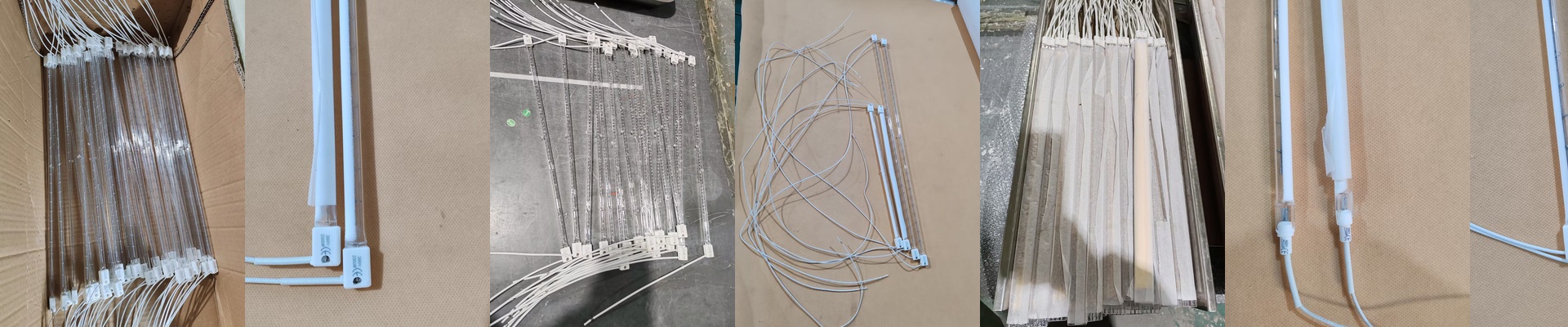
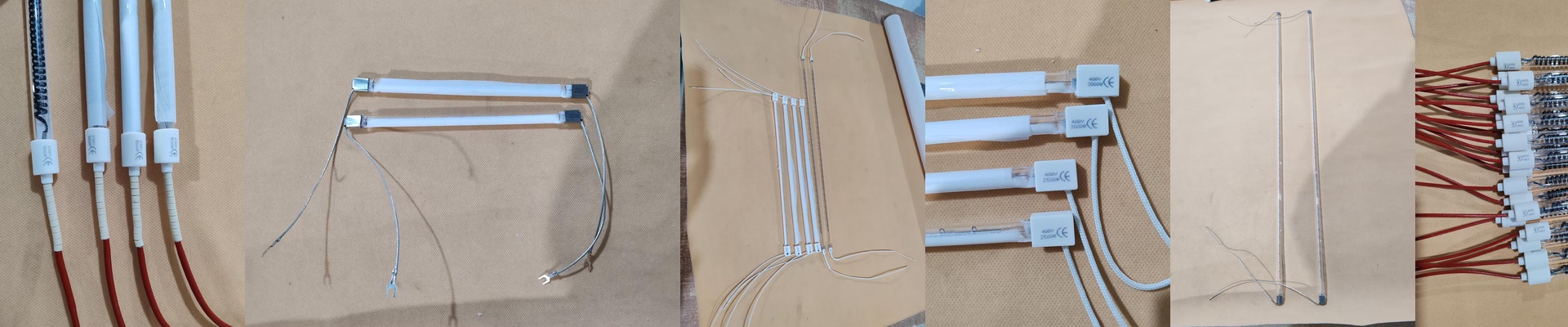
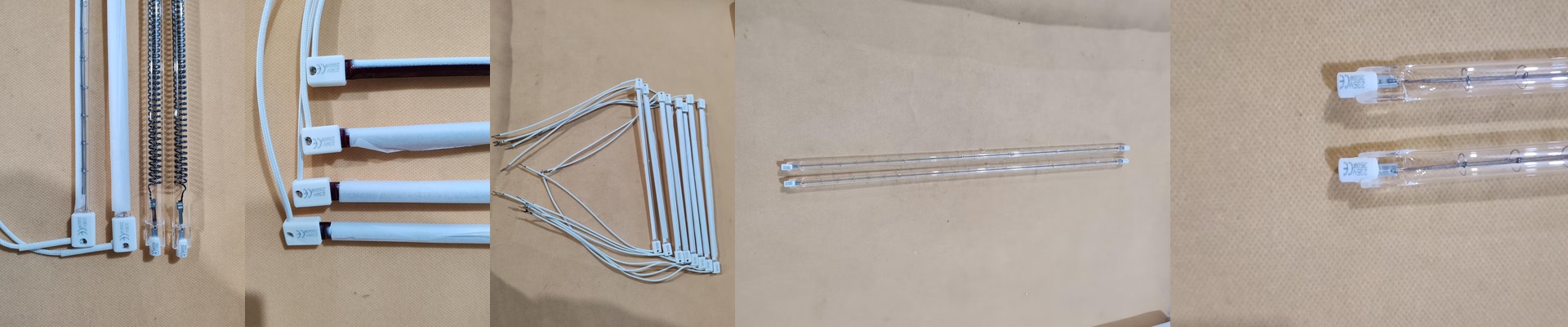
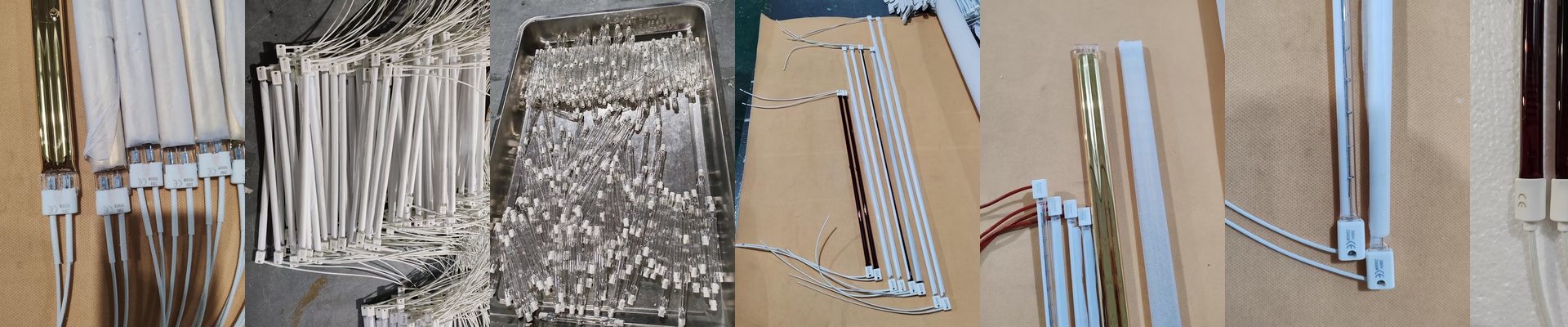
You can’t just swap a part number and hope for the best. That’s a recipe for a headache. If the new lamp doesn’t hit the right wavelength, your plastic won’t heat all the way to the core. You’ll end up with uneven molding or those annoying surface defects that make your QC manager lose their mind. That’s why we obsess over the physical stuff first. Voltage, wattage, and the exact length of the quartz tube. If the footprint is off by even a hair, you’re spending your afternoon fighting with mounting brackets or, worse, dealing with a short. We keep the tolerances tight so the lamp just… fits. No hacking, no modifying, no stress.
The Real Talk on Performance
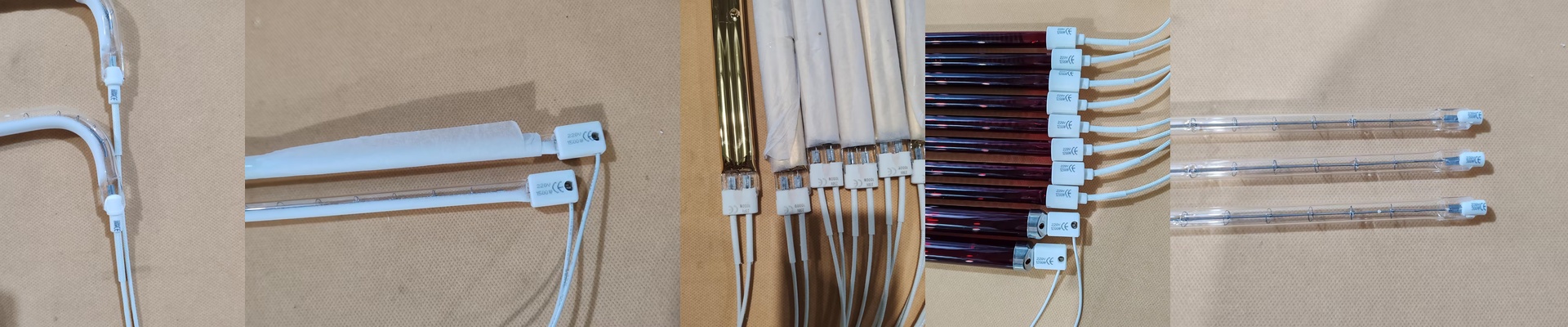
High-end lamps usually have coatings that push the heat forward. We’ve matched those coatings in our domestic versions so the heat doesn’t bleed back into your machine frame and cook your electronics. Plus, we use high-purity quartz so the lamps don’t burn out the moment things get intense. One thing to keep in mind: lifespan depends a lot on your power. If your plant is prone to voltage spikes, these lamps might pop sooner than you’d like. A bit of decent surge protection goes a long way here.
Making the Switch
The whole point is to make this a non-event. We use the same connectors you’re already used to—R7s or Sk15—so your team can wire them up in a few minutes and get back to work. When you match the thermal profile of the original European spec, your cycle times stay exactly where they are. You get the same result, but you stop paying the “luxury brand” tax on your procurement.